Nuclear Energy Compared To Other Energy Sources

Let's talk energy! It's a topic that's constantly buzzing – from the gas prices we grumble about to the solar panels popping up on rooftops. Why is it fun? Because understanding where our power comes from is like having a superpower! You get to be a more informed citizen, making smarter choices about your energy consumption and even participating in important discussions about the future. Today, we're diving into a comparison that often sparks debate: nuclear energy versus other power sources.
So, what's the purpose of generating energy anyway? Simple: to keep the lights on, our homes warm (or cool!), and our gadgets charged. Energy powers our modern world. But how we generate that energy has huge implications. We need reliable, affordable, and, crucially, sustainable sources.
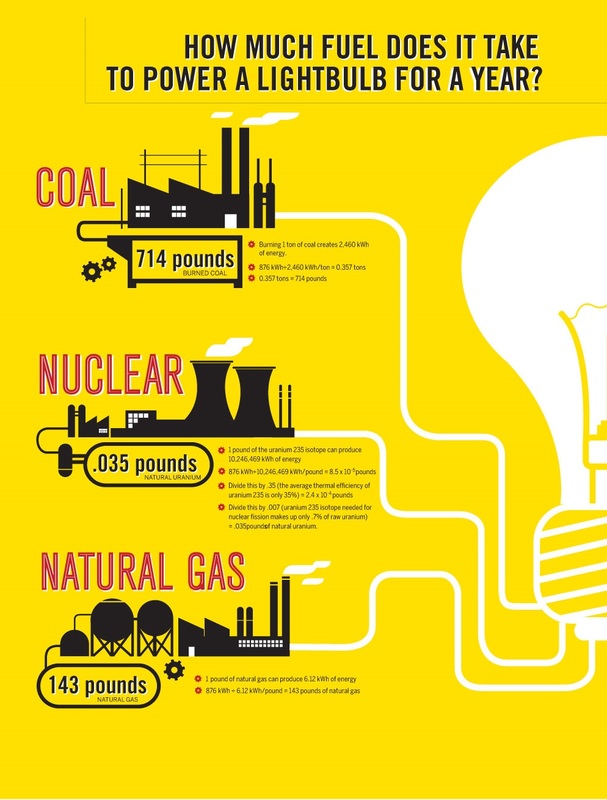
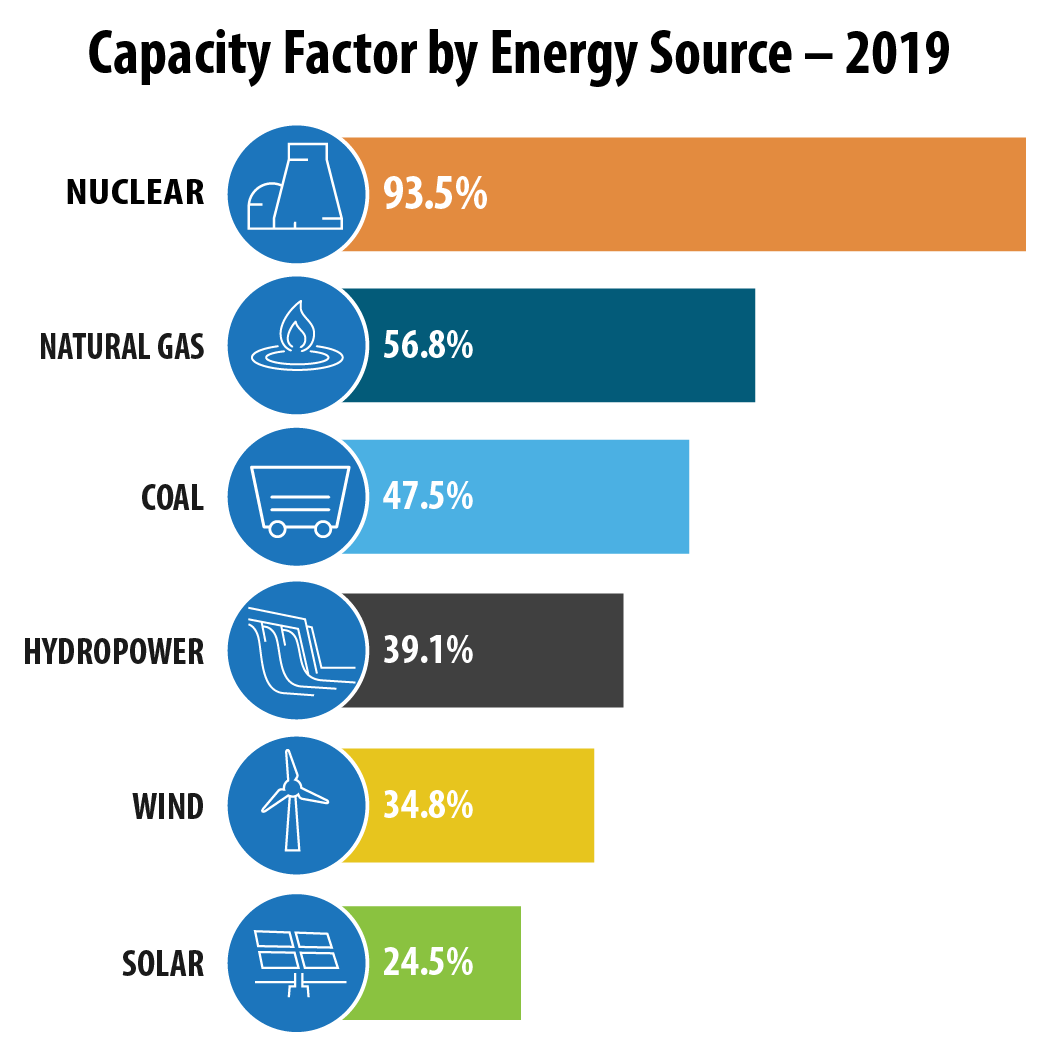
Let's start with nuclear energy. It works by splitting atoms (specifically uranium) in a process called nuclear fission. This releases a tremendous amount of heat, which is used to boil water, create steam, and turn turbines that generate electricity. One of the biggest benefits? Nuclear power plants produce virtually no greenhouse gases during operation. That’s a significant advantage in the fight against climate change. They are also incredibly efficient; a small amount of uranium can produce a massive amount of energy. Think of it as the incredibly dense energy source. However, nuclear energy also has its downsides, primarily the issue of nuclear waste disposal and the risk of accidents, though modern plants are designed with multiple layers of safety.
Must Read
Now, let's consider some alternatives. Fossil fuels (coal, oil, and natural gas) have been the backbone of our energy system for a long time. They're relatively cheap and readily available (in some regions). But, burning fossil fuels releases large amounts of carbon dioxide, a major contributor to global warming, as well as other pollutants that can harm human health. So, while they're convenient, they come with a significant environmental cost.
Then we have renewable energy sources like solar, wind, and hydropower. Solar energy harnesses the power of the sun using photovoltaic (PV) cells, which convert sunlight directly into electricity. Wind energy uses turbines to capture the kinetic energy of the wind. Hydropower uses the force of moving water to spin turbines. These are all clean and sustainable sources of energy, which is fantastic! However, they can be intermittent (the sun doesn't always shine, and the wind doesn't always blow) and may require significant land use. Battery storage technology is improving to combat the intermittency challenge.
Geothermal energy taps into the Earth's internal heat to generate electricity or provide direct heating. It's a reliable and sustainable option, but it's geographically limited to areas with geothermal resources.
Ultimately, there's no single perfect energy source. Each option has its own set of pros and cons. The future of energy likely involves a mix of different sources, tailored to specific regional needs and priorities. The key is to weigh the benefits and drawbacks of each option carefully, considering factors like cost, environmental impact, reliability, and safety. Understanding these differences allows us to have informed discussions and make responsible choices about how we power our world. And that's pretty powerful stuff!