
Nuclear Energy Compared To Fossil Fuels
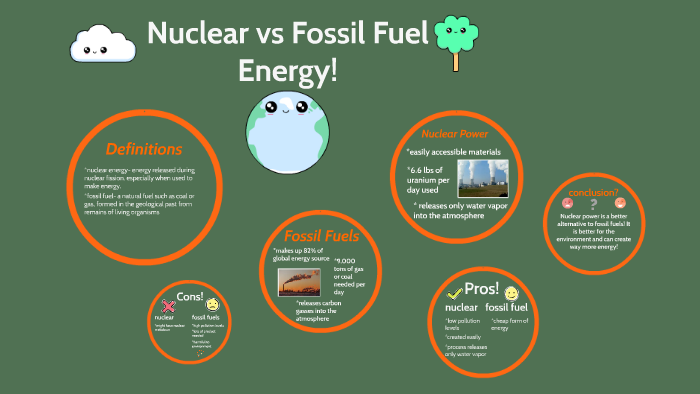
Hey there, ever stopped to think about where all the electricity that powers our lives actually comes from? It’s pretty wild when you dig into it. We flip a switch, and poof, lights are on, phones are charged, coffee is brewing. But behind that simple action lies a fascinating world of energy generation, and two major players often come up in conversation: fossil fuels and nuclear energy.
It can sound a bit heavy, like a science class, but honestly, it’s more like a cool detective story about how we keep the lights on without trashing our planet. So, let's peek behind the curtain, shall we?
The Old Guard: Fossil Fuels
First up, let's chat about fossil fuels – things like coal, oil, and natural gas. These are the OG power sources, literally formed from ancient plants and animals over millions of years. Think of them as nature's super-condensed energy juice boxes, buried deep underground.
Must Read
For centuries, they've been our go-to. Why? Because they're relatively easy to dig up and burn. You just light 'em up, and boom, you get heat, which we then use to boil water, create steam, and spin turbines to make electricity. Simple, right?
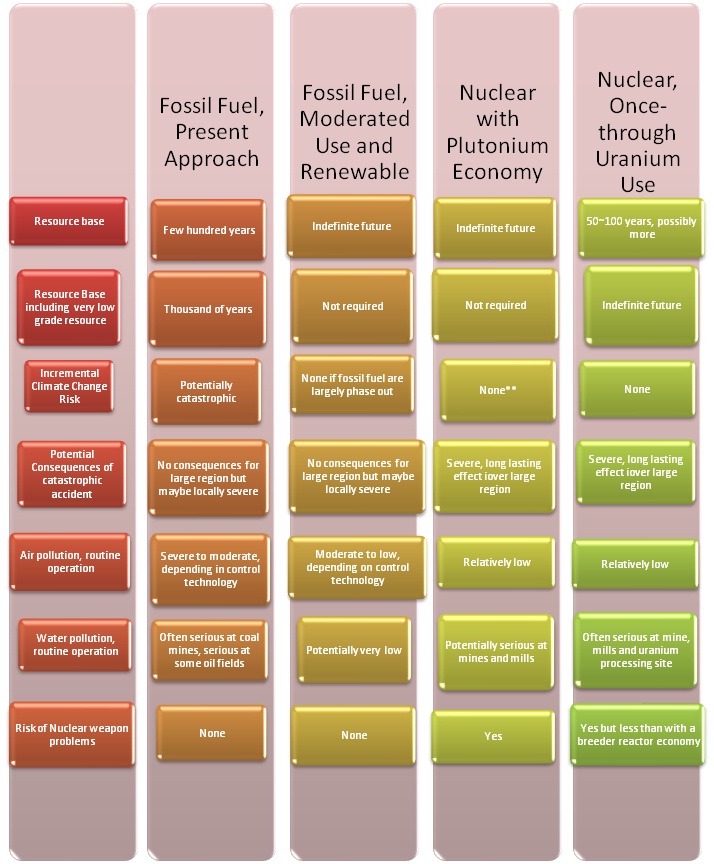
But here's the catch, and it's a pretty big one. When we burn these fuels, they release a whole lot of stuff into the air. The big villain here is carbon dioxide (CO2), a greenhouse gas that's a major contributor to climate change. Imagine every car, every factory, every power plant spewing out invisible blankets of CO2, warming up our planet. Not so chill, after all.
Plus, digging up and transporting these fuels can be messy business, sometimes leading to oil spills or habitat destruction. And they're finite – one day, we're going to run out. Like a really popular limited-edition snack that everyone loves, but there's only so much of it.
The Sci-Fi Kid: Nuclear Energy
Now, let's switch gears to nuclear energy. This one sounds a bit like something out of a futuristic movie, doesn't it? Instead of burning things, nuclear power plants use a process called nuclear fission. Picture this: we take a tiny, tiny atom, usually uranium, and we gently split it apart. When it splits, it releases an absolutely bonkers amount of energy.
It's like cracking open a microscopic nut that unleashes the power of a thousand suns (okay, maybe a slight exaggeration, but you get the idea!). This energy heats water, creates steam, spins turbines, and voila – electricity, just like with fossil fuels, but with a fundamentally different engine.
Here's the really cool part: during operation, nuclear power plants produce virtually zero greenhouse gas emissions. None. Zilch. Nada. It’s like getting all that power without the planet-warming exhaust fumes. Pretty neat, right?

Comparing the Vibe: Pollution & Planet
So, we have fossil fuels, which are like a classic rock band – loud, powerful, but leave a lot of smoke and can get a bit messy. And then we have nuclear, which is more like a super-efficient, silent disco – high energy, no visible output.
When we talk about our planet's health, this difference is huge. Fossil fuels are the primary reason we're having conversations about global warming. Nuclear energy offers a way to generate massive amounts of reliable power without adding to that atmospheric carbon burden.
Think of it this way: to power an average American home for a year, you'd need about 20,000 pounds of coal. For nuclear energy? A single, small uranium pellet – about the size of your fingertip – can produce the same amount of electricity as 17,000 cubic feet of natural gas, 1,780 pounds of coal, or 149 gallons of oil. Crazy, right? It's like comparing a whole dumpster of garbage to a single, powerful marble.

The Safety Dance & The Waste Question
Now, you might be thinking, "But what about safety? And the waste?" Good questions! News stories about nuclear power often focus on events like Chernobyl or Fukushima, and those were truly serious. However, modern nuclear reactors are designed with multiple layers of safety features, making incidents incredibly rare. The industry is also one of the most heavily regulated in the world.
As for waste, nuclear power does produce radioactive waste. It's a small volume compared to the vast amounts of CO2 from fossil fuels, but it's very potent and stays radioactive for a very long time. It needs to be carefully stored, usually deep underground, in specialized facilities. It’s definitely a challenge we're still figuring out, but it's a contained problem, unlike greenhouse gases that spread globally.
Consider the alternative: fossil fuels release billions of tons of invisible carbon pollution directly into the atmosphere every year. Which problem seems more spread out and harder to "contain" in the long run?
Power Density & Reliability: The Big Guns
Nuclear power plants are also incredibly power-dense. A single plant can generate a huge amount of electricity around the clock, rain or shine, wind or no wind. This makes them incredibly reliable. They’re always on, always producing.
Fossil fuel plants are also reliable, but they carry that carbon baggage. And while renewable energy like solar and wind are fantastic, they're intermittent – the sun doesn't always shine, and the wind doesn't always blow. Nuclear offers a consistent, large-scale, carbon-free baseline power source.
The Future Fueling Our World
So, where does this leave us? Fossil fuels have been our workhorses, but they come with a hefty environmental price tag. Nuclear energy, while it has its own unique considerations like safety and waste disposal, offers a powerful, reliable, and fundamentally clean alternative in terms of greenhouse gas emissions.
It's not about one being "good" and the other "bad" in a simple sense, but understanding the trade-offs and considering what kind of future we want to build. As we look for ways to power our world without cooking our planet, nuclear energy certainly deserves a curious look. It's truly a marvel of human ingenuity, and who knows, perhaps the quiet powerhouse that helps us keep our lights on, cleanly, for generations to come!