Ah, winter! The crisp air, the promise of snow, and the eternal, heartwarming (or sometimes head-scratching) question: What exactly is the normal thermostat temperature in winter? It's a question that has launched a thousand friendly debates, blanket forts, and surreptitious thermostat adjustments in homes across the land. Forget the experts for a moment; the true "normal" temperature isn't found in a manual, but in the lively, often hilarious, heart of your own home.
You see, what one person calls a perfectly cozy winter haven, another might declare an arctic tundra worthy of a parka and mittens. And then there's the third person, usually clad in a t-shirt, wondering why everyone else is sweating. It's the great dance of domestic comfort, played out daily when the temperatures dip. The thermostat, that innocent-looking little box on the wall, becomes the silent arbiter of peace, or the unwitting instigator of a delightful, low-stakes family drama.
The Great Indoor Climate Debate
Let's be honest, the "normal" setting isn't a fixed number. It's a highly personalized, ever-shifting target, influenced by everything from your metabolism to your choice of pajamas. For Sarah, who feels a chill if the mercury even thinks about dropping below 72°F, her ideal winter comfort zone is practically a tropical paradise. She dreams of sunbeams and thinks anything less than 70°F is an invitation for frostbite. Her partner, Mark, on the other hand, a man who runs perpetually warm, finds anything above 68°F to be an oppressive, stuffy heat that makes him want to open all the windows – a move that usually results in a dramatic wail from Sarah.
Then there are the kids! The little ones, seemingly immune to cold while playing outside in a light jacket, somehow transform into shivering bundles of demands the moment they step indoors, often declaring it to be "freezing" even if the thermostat proudly proclaims a robust 70°F. Their solution? More blankets! And maybe a hot chocolate, which, let's be fair, is always a good solution.
“The ‘normal’ winter thermostat temperature isn’t a number you set, it’s a feeling you chase – a feeling of snugness, warmth, and shared comfort, even if that comfort looks different for everyone.”
What Temperature to Set Thermostat in Winter: Optimal Comfort Tips
The Unsung Heroes of Warmth
But the true heroes of winter warmth aren't always the humans. Observe your pets! Your cat, Whiskers, has an uncanny knack for finding the exact sunbeam filtering through the window, or the perfect spot on the warmest blanket. Your dog, Buddy, will inevitably gravitate towards the floor vent, soaking up every last bit of heat like a furry, happy sponge. They don't consult a dial; they simply exist in a state of contented warmth, teaching us a thing or two about finding our own cozy spots.
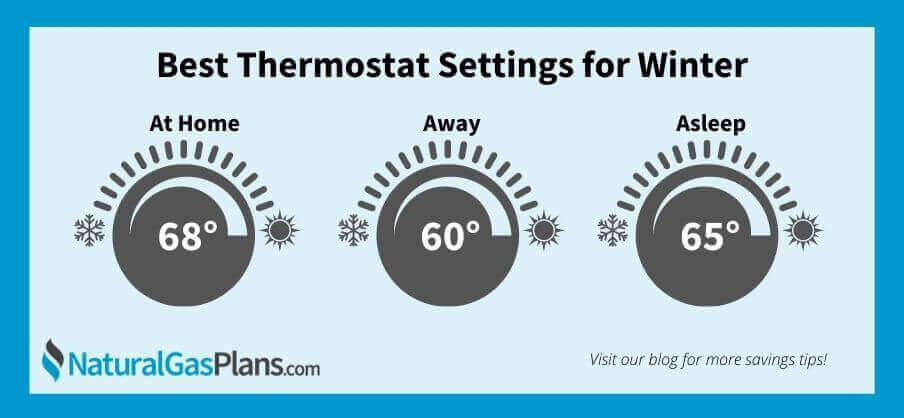
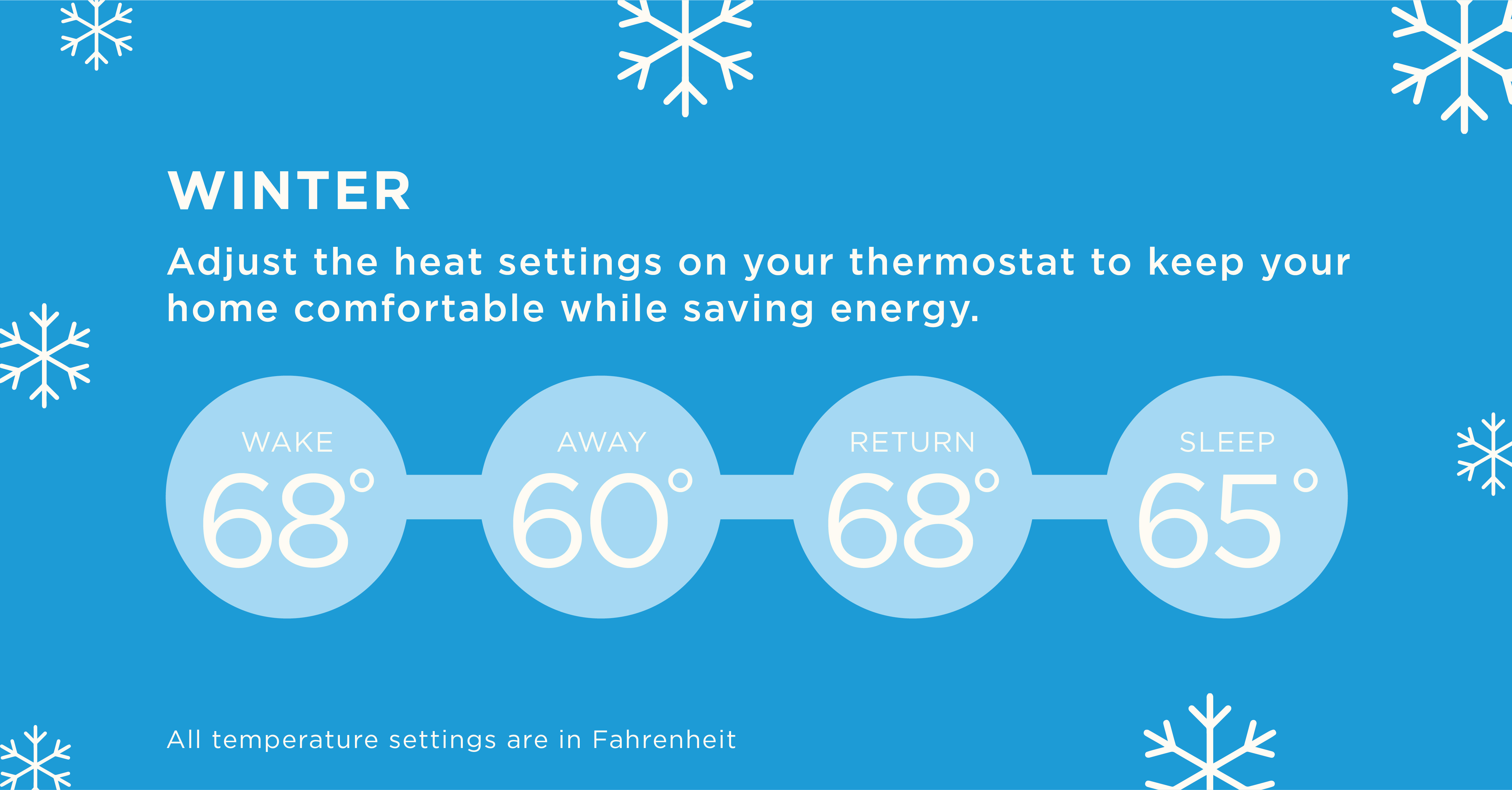
So, where does this leave us with the elusive "normal" setting? Many families find a happy medium, often hovering somewhere between 68°F and 72°F during the day, perhaps dipping a few degrees lower at night when snuggled under duvets. But even these numbers are merely suggestions, a starting point for negotiation. The real trick, the secret sauce to a warm and happy home, isn't in locking down a specific degree, but in embracing the give-and-take.
What Temperature to Set Thermostat in Winter: Optimal Comfort Tips
More Than Just a Number
Perhaps it's about putting on an extra sweater rather than cranking up the heat. Maybe it's about cuddling on the couch under a giant blanket with a cup of tea, letting the collective body warmth create its own microclimate. It’s about the heartwarming sight of everyone gathered, content in their own unique comfort zones, whether someone’s wearing shorts or wool socks.
The "normal thermostat temperature in winter" isn't a scientific constant; it's a testament to our adaptability, our capacity for compromise, and our shared desire for warmth and togetherness when the world outside turns frosty. It’s a delightful, ongoing conversation, a silent agreement to keep everyone comfortable, even if that means a little friendly tug-of-war over the dial. And really, isn't that just another part of what makes a house a truly warm and loving home?