
Nest Thermostat Needs To Shut Down To Recharge Battery
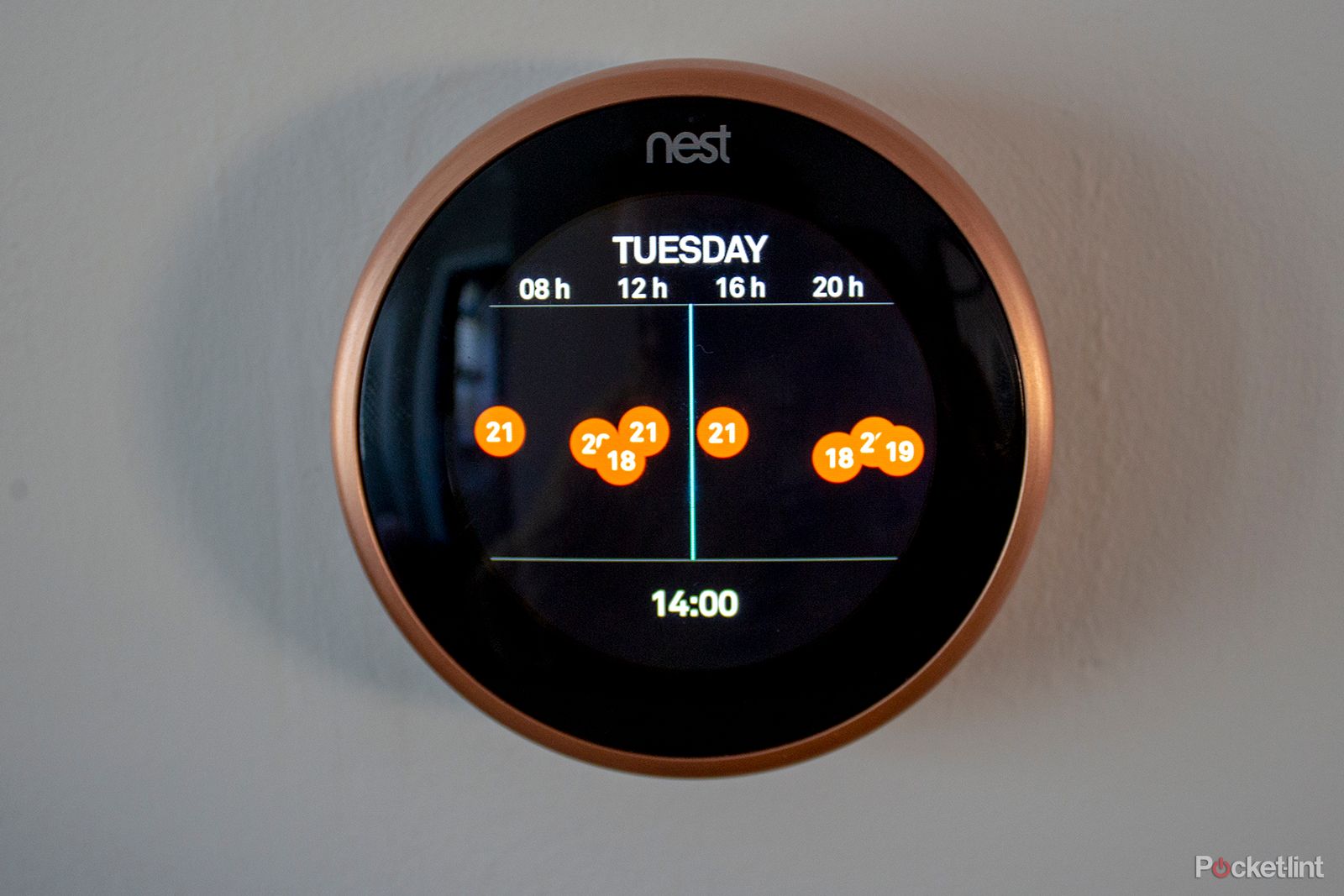
Ever had that mini-heart attack when you walk past your super-smart Nest Thermostat and... it’s just off? Like, completely blank. No friendly little leaf. No fancy temperature display. Just a dark circle of impending doom. Well, buckle up, buttercup, because your high-tech buddy might just be taking a power nap!
Yes, you heard that right. Sometimes, your Nest Thermostat needs to shut down to recharge its battery. It's not broken. It's not staging a silent rebellion against your heating preferences. It's just a little tired, like your phone after a long day of endless scrolling.
The Great Thermostat Power Nap
Imagine this: you've got this sleek, futuristic puck on your wall. It's supposed to be the brain of your home's climate control. It learns, it adapts, it saves energy! Then, one day, it just... goes dark. Panic sets in, right? You poke it. You prod it. You might even whisper, "Are you okay, little guy?"
Must Read
The truth is, even though it's connected to your home's wiring, your Nest thermostat actually runs on an internal rechargeable battery. Think of it as a tiny, dedicated power cell, constantly topped up by your HVAC system's power.
But sometimes, that little battery gets a bit run down. And when it does, the Nest device, being the smart cookie it is, decides to prioritize power for essential functions. That means the fancy screen, the Wi-Fi connection, and all the cool sensors take a temporary backseat. It shuts down, goes dark, and silently gets back to full strength.

Why Does My Smart Thermostat Get So Sleepy?
It sounds counterintuitive, doesn't it? A wired device needing a charge? Well, there are a few quirky culprits behind this phenomenon. And they're surprisingly common!
The biggest player in this power drama is often the C-wire, or "common wire." Many older HVAC systems, or even some newer ones, just don't have this dedicated power line. Traditionally, thermostats were simple on/off switches, drawing minimal power. But your Nest? Oh, it’s a power hog in comparison.
It's constantly running Wi-Fi to talk to your phone and the cloud. It's got motion sensors to detect if you're home. It's got a bright, beautiful screen to show you the temperature. All this fancy tech needs juice! Without a consistent C-wire connection, your Nest often has to "steal" power from the heating or cooling wires, which isn't ideal for a steady charge.
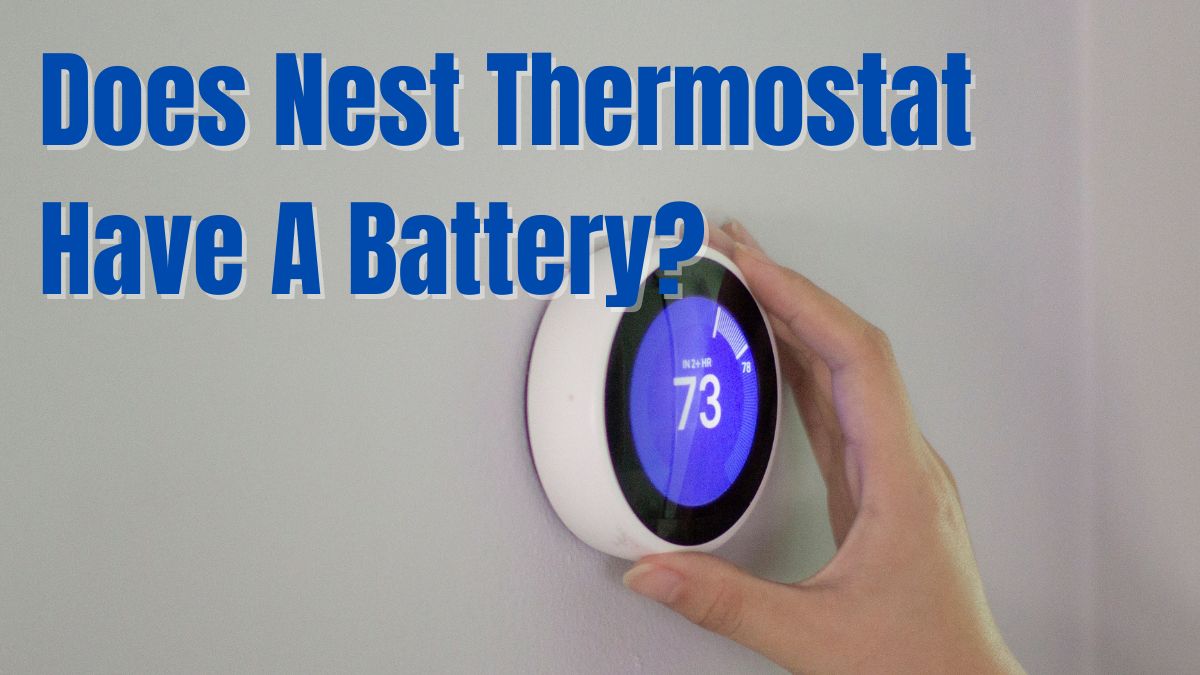
Think of it like trying to charge your phone by plugging it into a toaster. It might work for a second, but it’s not really designed for it, is it? Your Nest is trying its best, but sometimes it just can't keep up with the demands of its own awesomeness.
The Tell-Tale Signs of a Tired Nest
So, how do you know your Nest is just recharging and not, say, having an existential crisis? Usually, it's the blank screen. Sometimes, it might show a low battery icon before going dark. Other times, it might just randomly disconnect from Wi-Fi, or you might find its response time a bit sluggish.
And then, the glorious return! After a few hours (or sometimes even less), it springs back to life. Maybe it reboots, maybe it just lights up. It’s like it’s saying, "Whew! That was a good nap. What did I miss?"
What’s a Smart Home Owner to Do?
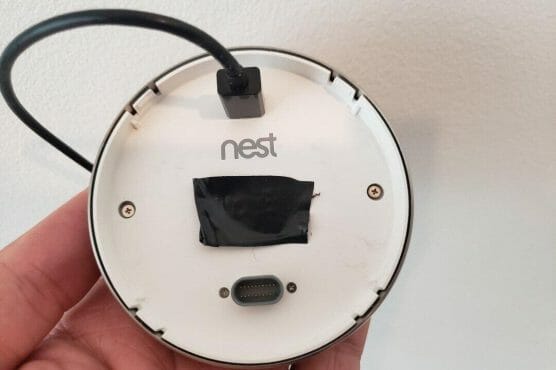
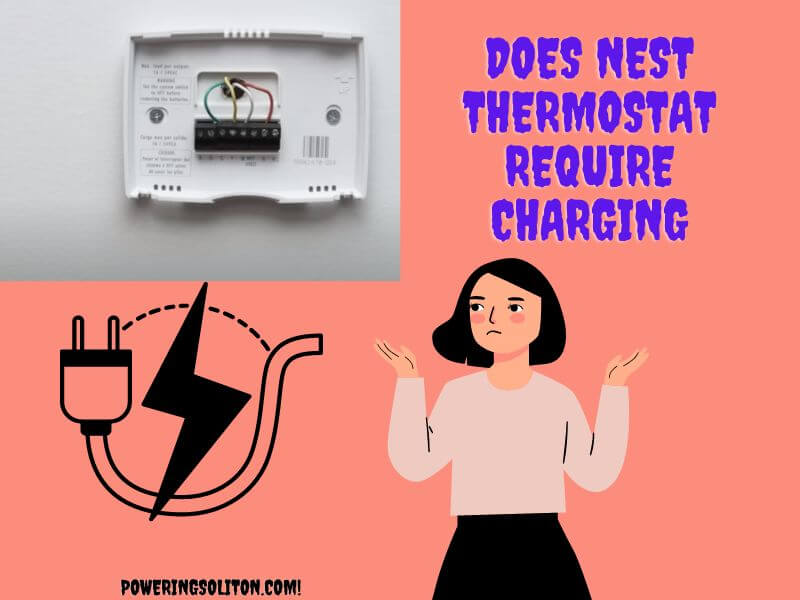
Don't fret! If your Nest is taking frequent power naps, it's usually a solvable puzzle. The most common solution involves a C-wire installation. This provides a constant 24V power supply, ensuring your Nest's internal battery stays perpetually topped up.
Sometimes, it’s a simple wiring issue or a slightly underpowered transformer in your HVAC system. A quick call to a qualified electrician or HVAC technician can usually sort it out. They're like the power detectives of your home!
And no, you usually don't need to replace the internal battery. It's designed to last for years, constantly being charged. The issue is almost always about the charging method, not the battery itself.
Why This Is Actually Kinda Cool
Okay, so your super-smart thermostat takes a nap. Big deal, right? But it is a big deal! It's a fantastic peek behind the curtain of modern smart home tech. It reminds us that even the most advanced gadgets rely on fundamental principles like power and connectivity.
It makes us appreciate the often-overlooked electrical infrastructure of our homes. Who knew a little wire could cause such a fuss? It sparks curiosity, turning a momentary inconvenience into a fun lesson about how our smart devices truly tick.
So, the next time your Nest goes dark, don't panic. Give it a moment. Imagine it's just a tiny robot friend, eyes closed, dreaming of perfect temperatures and energy savings. It'll be back, recharged and ready to keep your home cozy (or cool!) again in no time.