
Nc Mineral And Oil Rights Disclosure
So, you're dreaming of owning a slice of the good life in North Carolina? Picture this: crisp mountain air, a porch swing, and maybe even a little patch of land to call your own. But before you start picking out paint colors and planning that epic BBQ, let's talk about something that might be lurking beneath the surface – literally. We’re diving into the world of NC Mineral and Oil Rights Disclosure. Think of it as the legal equivalent of checking under the bed before you unpack.
What Exactly Are We Talking About?
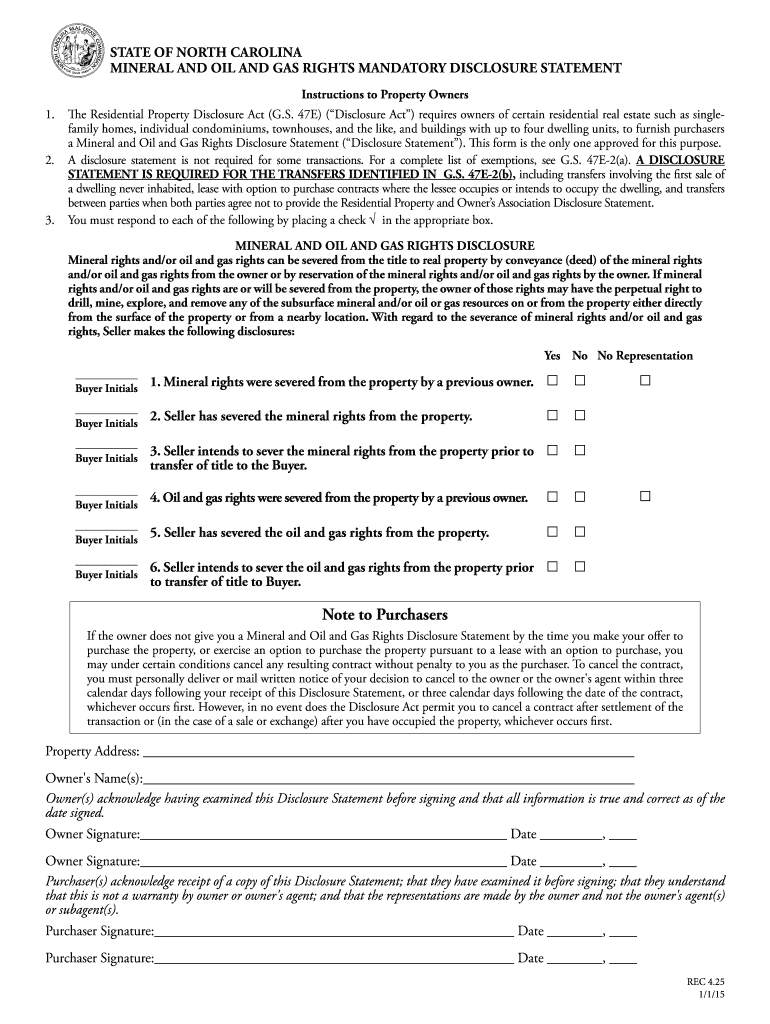
Mineral rights, oil rights... sounds like something out of a John Wayne movie, right? Well, not quite. These rights essentially grant someone the ability to extract minerals, oil, and gas from the land. Here in North Carolina, the law requires sellers to disclose whether they own these rights and, if so, whether they intend to transfer them with the property. Think of it like this: buying a house without knowing about mineral rights is like buying a vintage car without checking the engine. You might be in for a surprise!
The key document here is the Residential Property and Owners' Association Disclosure Statement. It’s a mouthful, we know. Buried within its pages is a section dedicated to mineral, oil, and gas rights. This statement helps buyers make informed decisions – and avoid potential headaches down the road.
Must Read
Why Should You Care?
Okay, so maybe you’re not planning on becoming the next J.R. Ewing. But even if you just want to grow tomatoes and relax, understanding mineral rights is crucial. Imagine purchasing your dream property, only to discover that someone else has the right to drill for oil in your backyard. Suddenly, your tranquil retreat becomes a bit less…tranquil.
Here's the deal: if the mineral rights are severed from the surface rights (meaning they're owned by someone else), that other entity could potentially have the right to access your property to extract those resources. While there are regulations and considerations that come into play, it's still something you need to be aware of. No one wants unexpected guests showing up with heavy machinery!

Decoding the Disclosure: A Practical Guide
So, you’re staring at the disclosure statement, and it looks like ancient hieroglyphics? Don’t panic! Here’s a simplified breakdown:
* Read Carefully: Obvious, but crucial. Pay close attention to the section on mineral, oil, and gas rights. * Ask Questions: If the seller indicates that they do own these rights, clarify whether they intend to transfer them to you. If they don't, find out who owns them. * Do Your Research: Check with the county register of deeds to determine the ownership of the mineral rights. * Consult a Professional: If you're feeling overwhelmed, don't hesitate to consult with a real estate attorney or a knowledgeable real estate agent. They can help you interpret the disclosure and navigate the legal landscape.
Fun Fact: Hidden Treasures?
North Carolina isn't exactly known for its oil wells like Texas, but the state does have a rich geological history. While oil and gas are present in certain areas, other minerals like mica, feldspar, and quartz are more commonly mined. Who knows, maybe your property does have some hidden treasures! But even if it doesn't, understanding your rights is the real treasure.
Real-World Tip: Due Diligence is Key
Don't skip the due diligence phase! A thorough title search can reveal valuable information about mineral rights. Think of it as an archeological dig for legal documents. You might unearth some surprising facts about the land.

The Bigger Picture: Connecting to Daily Life
Understanding mineral rights might seem like a niche legal issue, but it underscores a fundamental principle: knowledge is power. Whether you're buying property, negotiating a contract, or simply making decisions about your daily life, being informed empowers you to make better choices and protect your interests. In a world full of complex information, taking the time to understand the details – even the seemingly obscure ones – can make all the difference.
So, as you sip your sweet tea on that porch swing, remember that a little bit of research can go a long way toward ensuring that your slice of North Carolina paradise remains just that: paradise.
