Natural Gas Price By State

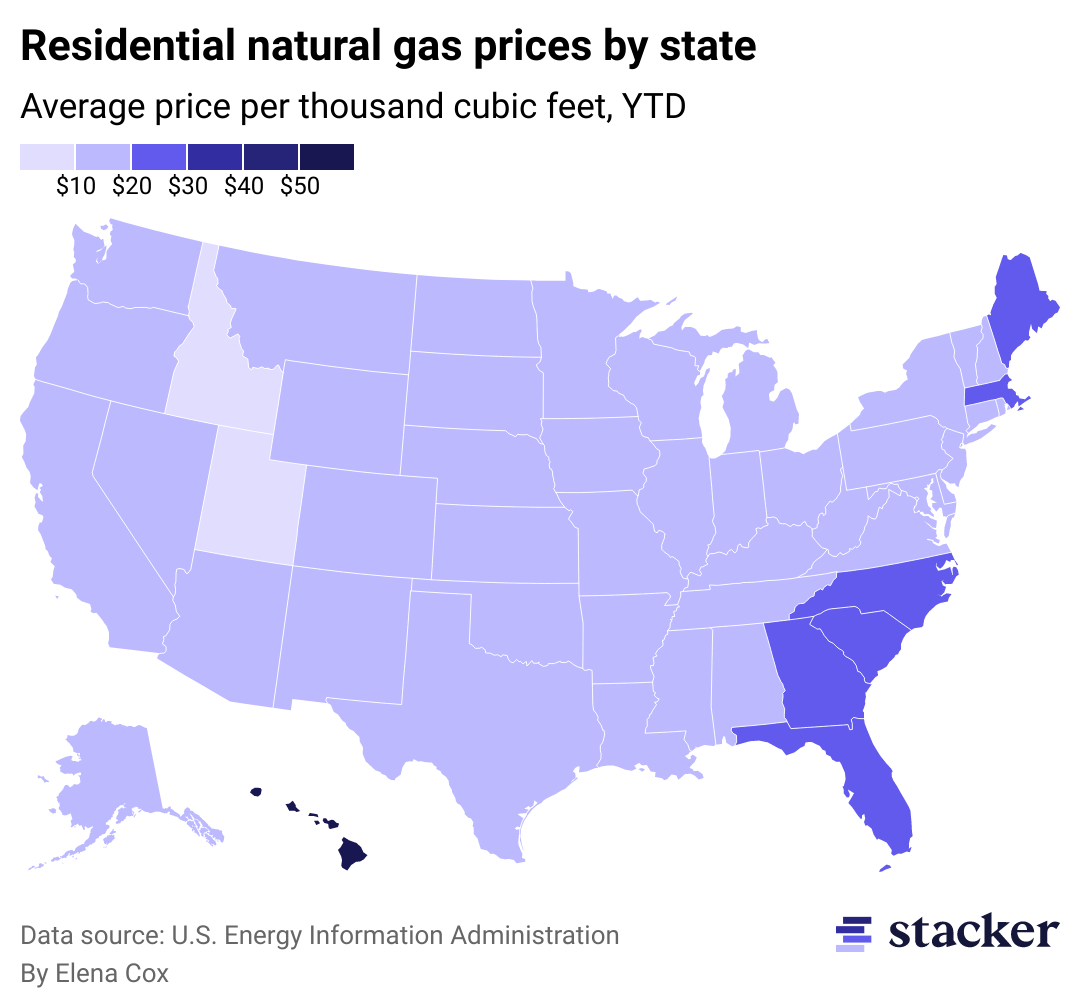
Ever had that moment when your monthly utility bill arrives, and you do a little gasp? Especially during those chilly winter months or scorching summer days? Most of us just pay it and move on, maybe grumbling a bit about rising costs. But here's a fun little secret: the price of natural gas, which heats your home, warms your shower, and cooks your morning eggs, isn't the same everywhere in the good ol' USA.
Nope! It's not a one-size-fits-all kind of deal. Think of it like a coffee shop: a latte in Manhattan probably costs a little more than one in a small town in Nebraska. The same goes for the gas flowing into your home. And understanding why this happens can be surprisingly empowering – or at least make you feel a little less surprised when that bill shows up!
Why Should You Even Care About This?
"Natural gas prices by state? Sounds a bit like homework," you might be thinking. But hold on! This isn't just about obscure economics; it's about your wallet and your comfort. When you understand the ebb and flow of natural gas prices, even a little bit, you're better equipped to make smart decisions about your energy use. It’s like knowing if there's a big sale at your favorite grocery store – it affects what you buy and when!
Must Read
Imagine you live in a state where gas prices tend to be higher. Knowing this might nudge you to be a bit more mindful with your thermostat or check for drafts around your windows. Conversely, if you're in a lucky spot with lower prices, you might still want to be efficient, but perhaps with a bit less immediate pressure. It’s all about being an informed consumer, and who doesn't love feeling smart about their money?
The Whys and Wherefores: A Little Behind-the-Scenes Tour
Location, Location, Location!
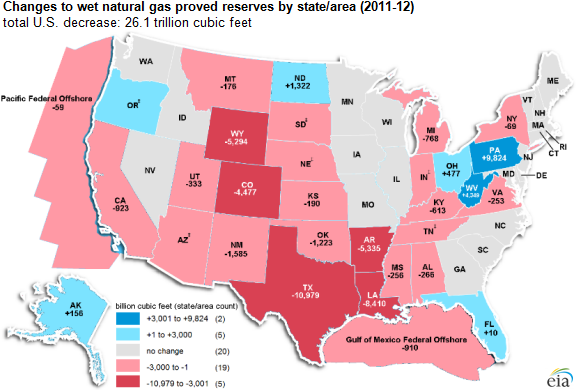
One of the biggest factors is simply where your state is located relative to where natural gas is extracted. States like Texas, Pennsylvania, and Louisiana are sitting on vast reserves and have a ton of drilling activity. If you live closer to these production hubs, the gas doesn't have to travel as far through expensive pipelines. It's like buying fresh produce directly from the farm stand versus having it shipped across the country. Less travel time equals less cost.

The Pipeline Puzzle
Speaking of pipelines, imagine them as superhighways for natural gas. Building and maintaining these underground arteries is incredibly expensive. Some states have a dense, modern network, making it easy and efficient to move gas around. Others might have older infrastructure or fewer pipelines, creating bottlenecks. If gas has to take a longer, more circuitous route, or if the system needs constant repairs, those costs get passed along to you, the consumer. It's like paying more for gas because you live at the end of a long, bumpy dirt road instead of right off the interstate.
Hot vs. Cold: The Demand Game
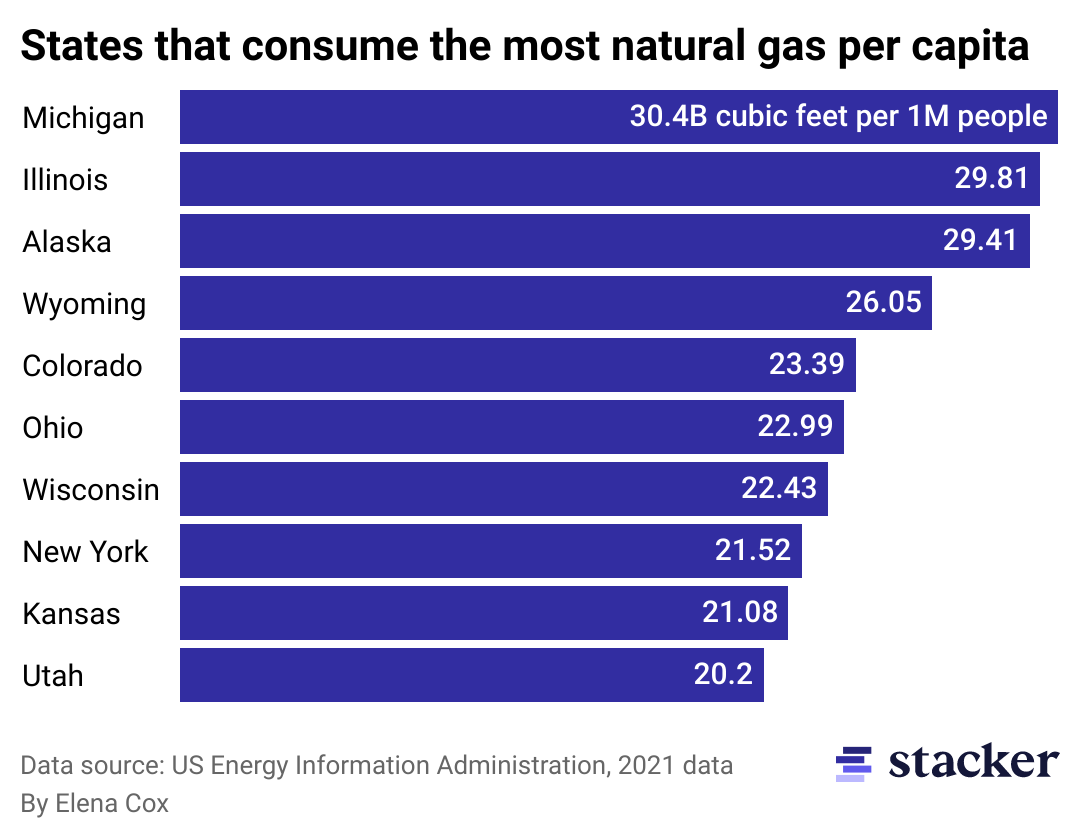
Think about how much you crank up the heat in January versus June. States with brutally cold winters (hello, New England!) naturally have a much higher demand for natural gas to keep homes toasty warm. This surge in demand, especially if supplies are tight, can push prices up. Conversely, states with milder climates might see more stable, or even lower, prices because the demand doesn't swing as wildly. It’s basic economics: when everyone wants something at the same time, the price tends to climb.
Storage Solutions
Just like you might stock up on canned goods before a big storm, natural gas companies try to store gas when prices are low, to use when demand is high. States with good underground storage facilities can buffer price spikes better. If a state doesn't have much storage, it relies more on buying gas "just in time," which can be more expensive, especially during unexpected cold snaps. It's like always having to run to the store for every single ingredient, rather than having a well-stocked pantry.
State Regulations and Taxes
Each state has its own set of rules, regulations, and taxes that can affect the final price you pay. Some states might have environmental regulations that add to the cost of production or transportation, while others might have different tax structures. These aren't huge dramatic swings, but they're certainly part of the recipe that makes up your final bill.
What Can You Do About It?
No, you don't need to pack up and move to Texas just to save a few bucks on your heating bill (unless you really want to!). But knowing that prices vary and why can make you a savvy energy user.
- Read Your Bill: Take a peek at your natural gas bill. It often shows the price per therm or CCF you're paying.
- Insulate, Insulate, Insulate: Simple weatherstripping around doors and windows can make a surprising difference. Think of it as putting a cozy blanket on your house!
- Smart Thermostat: Consider a smart thermostat that learns your habits or lets you program temperatures. Lowering the temperature by just a few degrees when you're away or asleep can add up to real savings.
- Seasonal Awareness: Be a little more mindful during peak seasons (deep winter or hot summer). A little awareness can go a long way.
So, the next time that natural gas bill lands in your inbox, you'll have a little more insight into why it looks the way it does. You'll be able to nod knowingly, maybe even with a slight smirk, understanding that it's all part of a bigger, fascinating dance of pipelines, weather, and demand. Who knew understanding your utility bill could be so, well, illuminating? (Pun absolutely intended!)