
National Grid Electric Rates In Massachusetts

Alright, settle in, grab another coffee. Because we need to talk about something truly spine-tingling, something that makes even the most stoic New Englander gasp louder than watching the Pats lose in overtime: National Grid electric rates here in Massachusetts.
You know the feeling, right? That little shiver of dread when the email notification pings, or when the actual paper bill (yes, some of us still get those retro things!) lands on your kitchen counter. It’s not just a bill; it’s a declaration of economic war on your personal finances.
What's the Deal, National Grid? Are We Powering the Moon?
I swear, sometimes I open that bill and think, "Did I accidentally purchase a small, energy-intensive planet this month?" Because the numbers? They often look like the down payment on a luxury yacht, not the cost of keeping my fridge from turning into a science experiment. You’d think we were personally bankrolling a new power grid with every kilowatt-hour. Maybe they’re building a secret underground lair for squirrels with super night vision; it’s the only logical explanation for some of these charges!
Must Read
It’s a peculiar kind of sticker shock we experience here in the Commonwealth. You pay for your apartment, your car, your absurdly expensive avocado toast… and then you pay another mortgage payment just to keep the lights on. It’s enough to make you consider living off-grid, fueled solely by passive-aggressive sighs and artisanal kombucha.
Unpacking the Bill: It's Not Just Powering Your Toaster
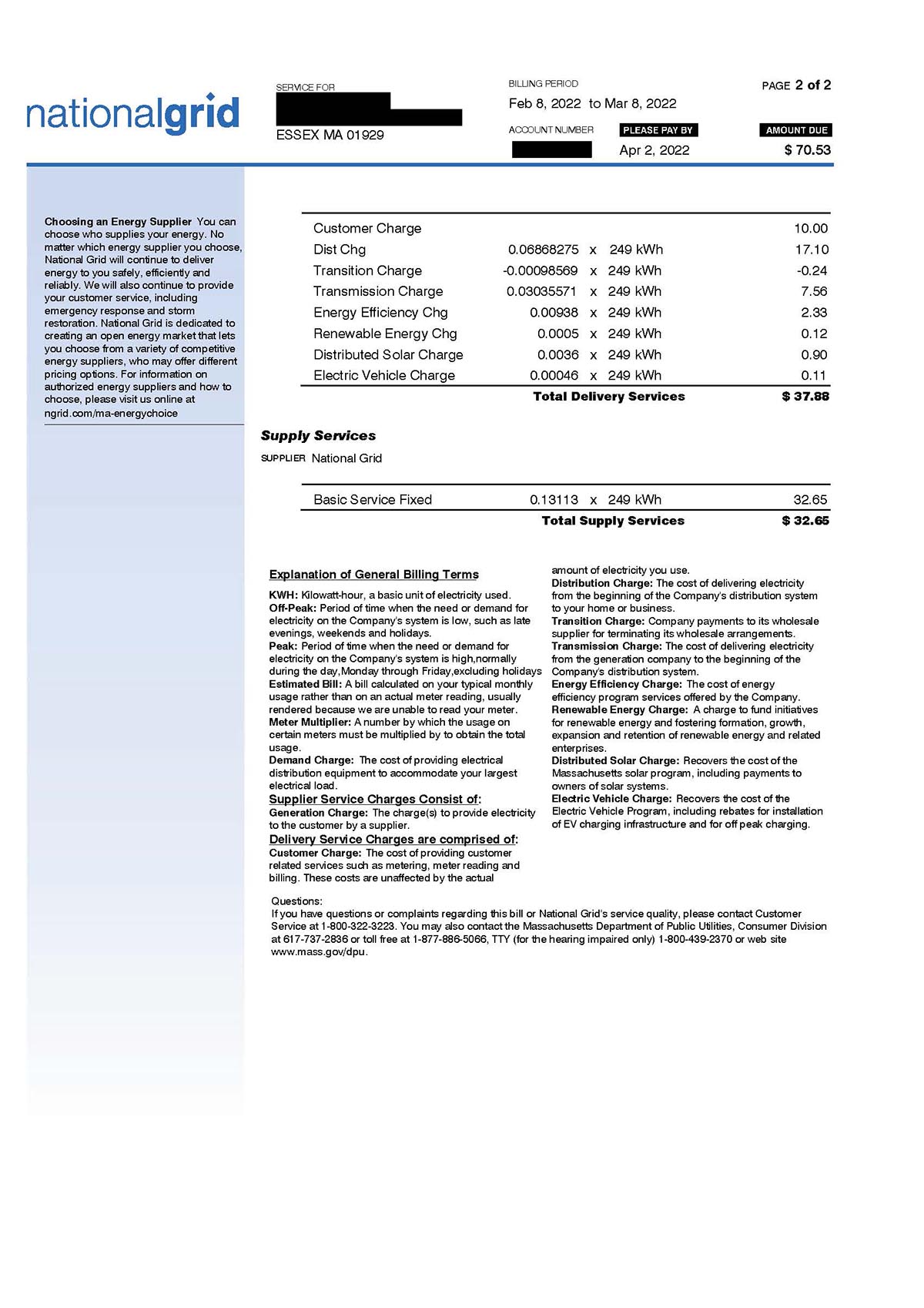
Now, to be fair, it’s not just about the actual electrons zipping through your wires. Oh no, that would be too simple. Your bill is a glorious, multi-layered cake of charges. You’ve got your supply charge (the actual electricity you consume, the "juice"), your delivery charge (the cost of getting that juice from the power plant to your outlet, which involves a complex dance of poles, wires, and probably tiny, highly-paid gnomes), and then a whole host of other little fees that sound like they were invented by a particularly mischievous leprechaun:
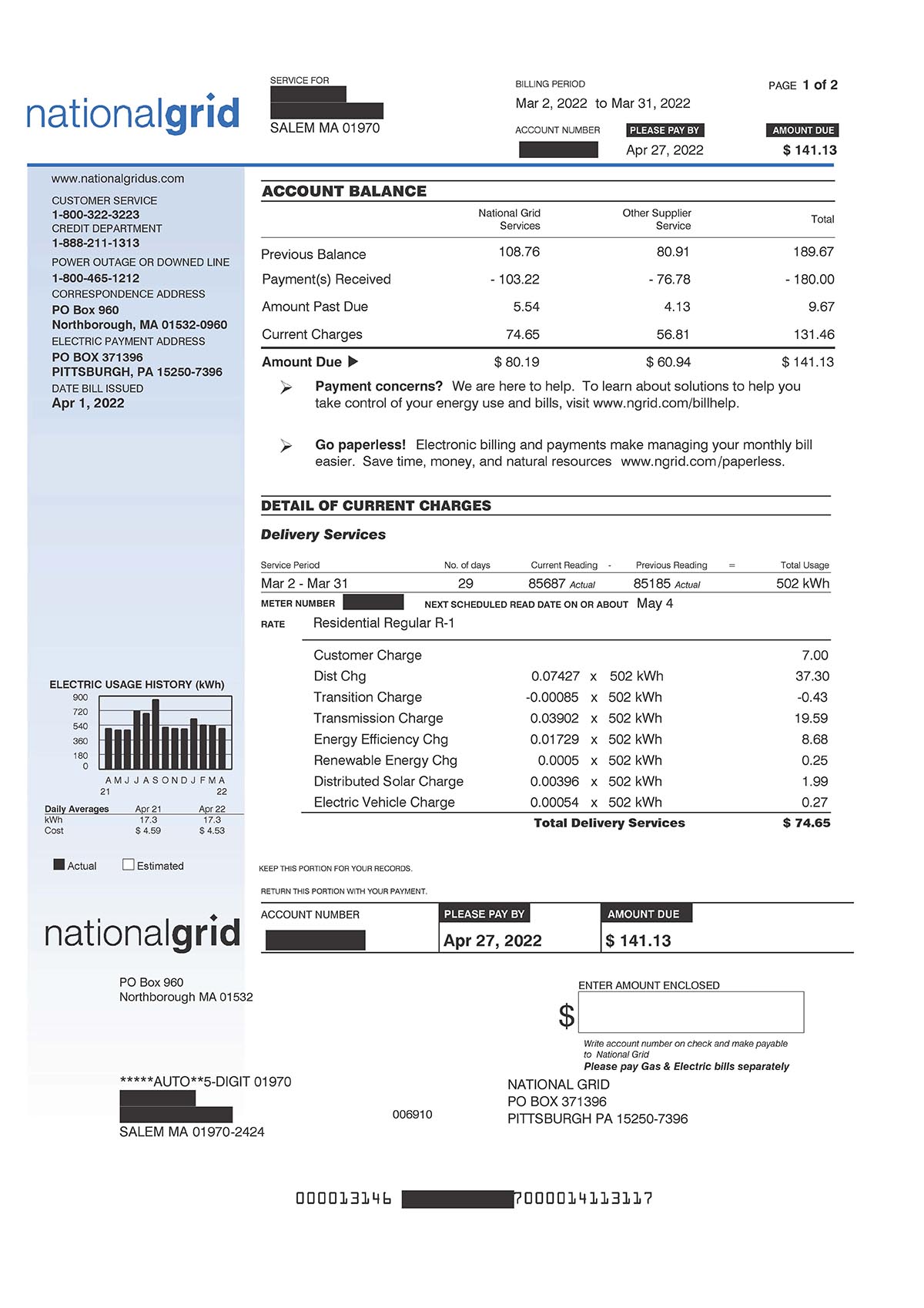
- "Revenue Decoupling" (Sounds like a breakup between two very wealthy accounting terms).
- "Energy Efficiency" (Because apparently, making your home efficient costs money, too!).
- And my personal favorite, "Basic Service Fixed Charge" (Because just existing and having access to electricity is apparently a premium subscription service).
It’s like they send an engineer, a financial wizard, and a poet laureate to come up with these line items, all designed to make you stare blankly at the page, nod slowly, and then just fork over your hard-earned cash.
Winter's Bite, Summer's Sizzle... and Your Wallet's Whimper
Of course, a huge part of our Massachusetts electric bill drama is the weather. We experience all four seasons with extreme prejudice. In winter, our heating systems go into overdrive, turning our homes into cozy (but expensive) saunas while the outside world attempts to freeze off our noses. Then summer rolls around, and we collectively panic, cranking the AC to "arctic blast" because anything above 75 degrees in your living room feels like you’re trying to survive on the surface of the sun.
So, you’re either paying to fight off frostbite or to prevent spontaneous combustion. There’s no middle ground, just a constant, expensive battle against Mother Nature, with National Grid acting as the highly compensated referee.
"Market Rates," They Say... But Whose Market?
You’ll often hear about "market rates" determining the supply charge. And you think, "Okay, the market. Like, where vegetables are sold? Is there a giant stock exchange for electricity?" It’s all very opaque, like trying to understand the inner workings of a black hole, except the black hole sends you a bill. The short story is that these rates can fluctuate pretty wildly, often spiking when demand is high or when something geopolitical happens somewhere across the globe that you can barely pronounce.
It feels a bit like you’re on a roller coaster you didn't ask to ride, and someone else is controlling the speed and the ticket price. And they're charging you extra for the little photo at the end.

So, What's a Bay Stater to Do?
Beyond shedding a single, dramatic tear each month, there are a few things. You can, of course, embrace your inner energy-saving guru. Unplug those phantom loads! Get LED bulbs! Wear a parka indoors in winter and pretend you’re on an Arctic expedition! All those little things can add up, like finding loose change under the couch cushions. It won't buy you a private jet, but it might get you an extra fancy coffee.
Also, don't forget you often have the option to choose your electricity supplier. National Grid is your delivery company, but you can sometimes pick a different company for the supply of your electricity. It's worth looking into if you haven't; sometimes there are competitive rates or green energy options that might save you a few bucks (or at least make you feel better about where your electrons are coming from).
Ultimately, navigating National Grid electric rates in Massachusetts feels like a quintessential New England experience: expensive, slightly bewildering, and something we all complain about together, usually over a cup of coffee. But hey, at least we're all in it together, right? Now, if you'll excuse me, I think I just saw my smart thermostat give me a judgmental look. Time to go argue with a machine.
