
My First Alert Smoke Alarm Keeps Beeping
Alright, settle in, grab your beverage of choice, because I’m about to tell you a tale as old as time, or at least as old as battery-operated safety devices. It’s a story of sleep deprivation, existential dread, and a tiny, persistent electronic voice that just won’t quit. Yes, my friends, we're talking about that most delightful of domestic serenades: The First Alert Smoke Alarm Beep.
You know the sound. It's not the full-blown, ear-splitting siren that signals actual impending doom. Oh no, that would be too straightforward. This is its younger, more passive-aggressive cousin. It’s the "chirp." A single, forlorn, yet utterly grating peep, usually delivered with impeccable comedic timing, like at 3:17 AM when you’ve finally drifted off into a dream about winning the lottery. It’s like your house is trying to communicate in Morse code, and the only message it knows is "annoyance."
The Usual Suspect: The Battery Bandit
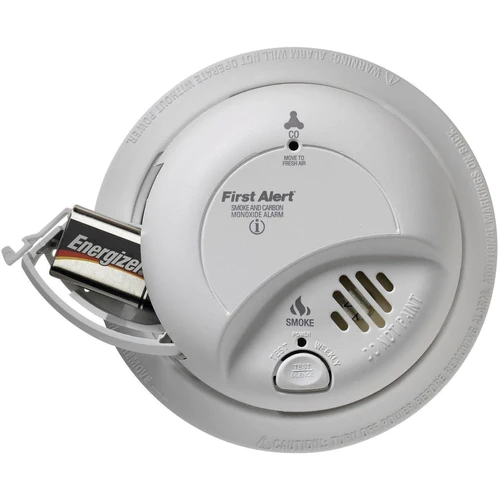
Your first thought, like any seasoned homeowner (or anyone who’s ever lived in an apartment building), is always the battery. And usually, you’re right! That little 9-volt square is the primary culprit in about 90% of these sonic assaults. The alarm isn't broken; it's just trying to tell you it's running on fumes. Think of it as your house's very own low-fuel light, but instead of illuminating a dashboard icon, it just screams at you intermittently until you want to pull your hair out.
Must Read
Here’s a fun little fact for you: these alarms often start chirping about a low battery at night because the ambient temperature in your home drops. This slight dip in temperature can cause a temporary decrease in battery voltage, pushing it below the threshold the alarm needs to operate silently. So, it's not actually trying to ruin your sleep, it's just science! But honestly, try telling that to your bleary-eyed self at 3 AM.
The solution here is simple, yet often requires a death-defying act involving a wobbly chair and a quick trip to the junk drawer. Change the battery. Seriously, just do it. And maybe mark your calendar for when you did it, because the next time, you'll swear you just changed it last week. (You didn’t. It was probably 11 months ago, which in battery time is practically an eternity.)
Beyond the Battery: When the Chirp Gets Cryptic
But what if you’ve swapped out the battery, held down the reset button like you’re defusing a bomb, and it still chirps? Ah, my friend, welcome to the advanced levels of smoke alarm mystery. This is where things get interesting, and possibly a little gross.
Dust Bunnies and Buggy Parties
That little grill on your smoke alarm isn't just for show. It's letting air (and smoke) in to detect danger. But it also lets in dust, pet hair, and yes, sometimes even tiny bugs. Imagine a microscopic rave happening inside your alarm's sensor chamber. These little intruders can block the sensor or trigger false alarms. Your smoke alarm isn't detecting smoke; it's detecting an impromptu dance party. Solution? Grab your vacuum cleaner and gently (gently!) suck out any cobwebs or dust. A little blast of canned air might help too, just be careful not to damage the delicate innards.
The Expiration Date: The Ultimate Plot Twist!
Now, this is the big one. This is the plot twist that usually gets a gasp from my café companions. Did you know smoke alarms have an expiration date? I know, right? It's like finding out your milk goes bad, but for a piece of essential safety equipment. Most smoke alarms, including First Alert, are designed to last about 10 years. After a decade, the sensor components can degrade, making the alarm less reliable, or simply causing it to start chirping incessantly as its way of saying, "My time is up! I'm retiring!"
To find this crucial piece of information, you’ll usually need to take the alarm down. On the back, there’s often a manufacturing date or an "install by" date. Count 10 years from that date, and if you're past it, that chirp isn't a plea for a new battery; it's a plea for a proper burial. Or, you know, just a replacement.
And let me tell you, if your smoke alarm is older than some of the tech you carry in your pocket, it’s definitely time for an upgrade. These devices literally save lives, so a decade is a good, long run for them.
Location, Location, Location
Sometimes, the chirp isn't about internal issues; it's about external ones. Is your alarm too close to a steamy bathroom? The humidity can confuse it. Is it directly above your stove? Cooking fumes, even harmless ones, can set it off. First Alert recommends placing alarms at least 20 feet from cooking appliances and away from high-humidity areas. If it's consistently chirping after showers or cooking, try relocating it.
Power Play (for Hardwired Alarms)
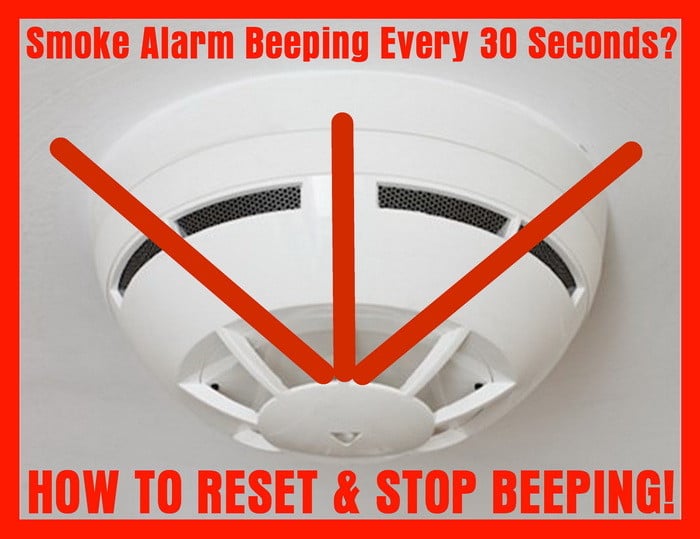
If you have a hardwired First Alert alarm (the ones connected directly to your home's electrical system), a brief power flicker or interruption can sometimes cause it to chirp even if the battery backup is good. It's essentially rebooting and getting a little confused. To fix this, you might need to reset the alarm. This often involves shutting off power to the alarm at the circuit breaker for a minute or two, then turning it back on. And yes, changing the battery backup on these is still important!
The Grand Finale: Silencing the Beast
So, to recap your battle plan against the relentless chirp:
- First and foremost, change the battery. This is your most likely culprit.
- If that fails, give it a good, gentle vacuuming or a blast of canned air to clear out any dust or tiny invaders.
- Check the expiration date! If it’s been 10 years or more since its birth, it’s time for a new one. This is often the surprise answer.
- Consider its location. Is it getting blasted by steam or cooking fumes?
- For hardwired units, a quick power cycle via your circuit breaker might be in order, after you’ve ensured the backup battery is fresh.
Armed with this knowledge, you are now a certified First Alert whisperer. The next time that tiny, demanding chirp invades your peaceful home, you'll be ready. You'll calmly assess the situation, swap a battery, or give it a dignified retirement, and reclaim your peace and quiet. Because really, the only thing that should be making noise at 3 AM is the sound of you enjoying a perfectly silent night's sleep.