My Fire Alarm Is Going Off For No Reason
Ever been jolted awake by that infernal, piercing shriek from your fire alarm, only to realize... there's no fire? No smoke, no flames, just the bewildering sound of an appliance gone rogue? You're definitely not alone! This common household drama, often dubbed the "false alarm," is an experience so universal it's almost a rite of passage for modern living. It’s frustrating, sometimes a little embarrassing, and often leaves you wondering, "Why me?! And why now?!"
The beauty of understanding these phantom alarms is that it turns a moment of potential panic into a solvable puzzle. This article isn't just about commiserating; it's about empowering you with the knowledge to troubleshoot like a pro, quickly silence the noise, and prevent future unexpected wake-up calls. The purpose? To help you understand that while your fire alarm's job is to protect you, it can sometimes be a bit overenthusiastic. The benefit? A calmer household, fewer heart attacks, and the ability to confidently deal with these noisy nuisances when they strike.
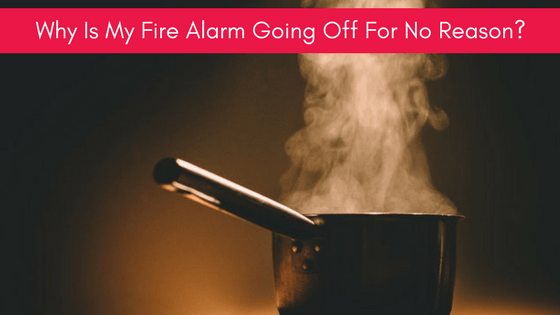
So, why does your trusty guardian suddenly decide to scream for no apparent reason? Often, the culprits are surprisingly simple. One of the most common reasons is dust and tiny insects. Smoke detectors work by sensing particles in the air. A build-up of dust inside the chamber or a small spider setting up home can easily trick the sensor into thinking there’s smoke. Similarly, cooking fumes (especially from high-heat cooking or a bit of burnt toast) and even steam from a hot shower can occasionally set off sensitive alarms, particularly if they’re too close to the kitchen or bathroom.
Must Read
Another frequent offender is the low battery chirp, which many people either miss or ignore until the alarm graduates to a full-blown siren. Even if your alarm is hardwired, it usually has a backup battery that needs replacing every so often. Sometimes, even a power flicker or surge can temporarily disorient a hardwired unit. Lastly, remember that fire alarms aren't immortal! Most have a lifespan of about 7-10 years. An aging alarm with a degrading sensor is much more prone to false alarms and should be replaced.
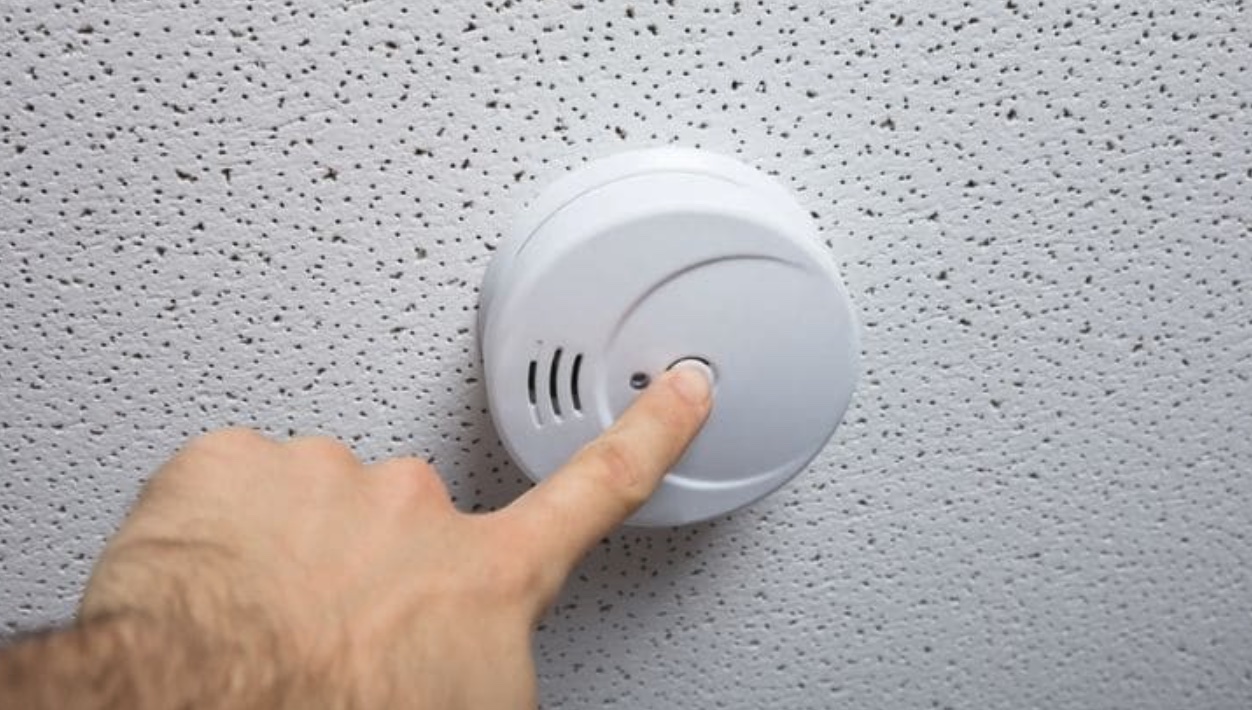
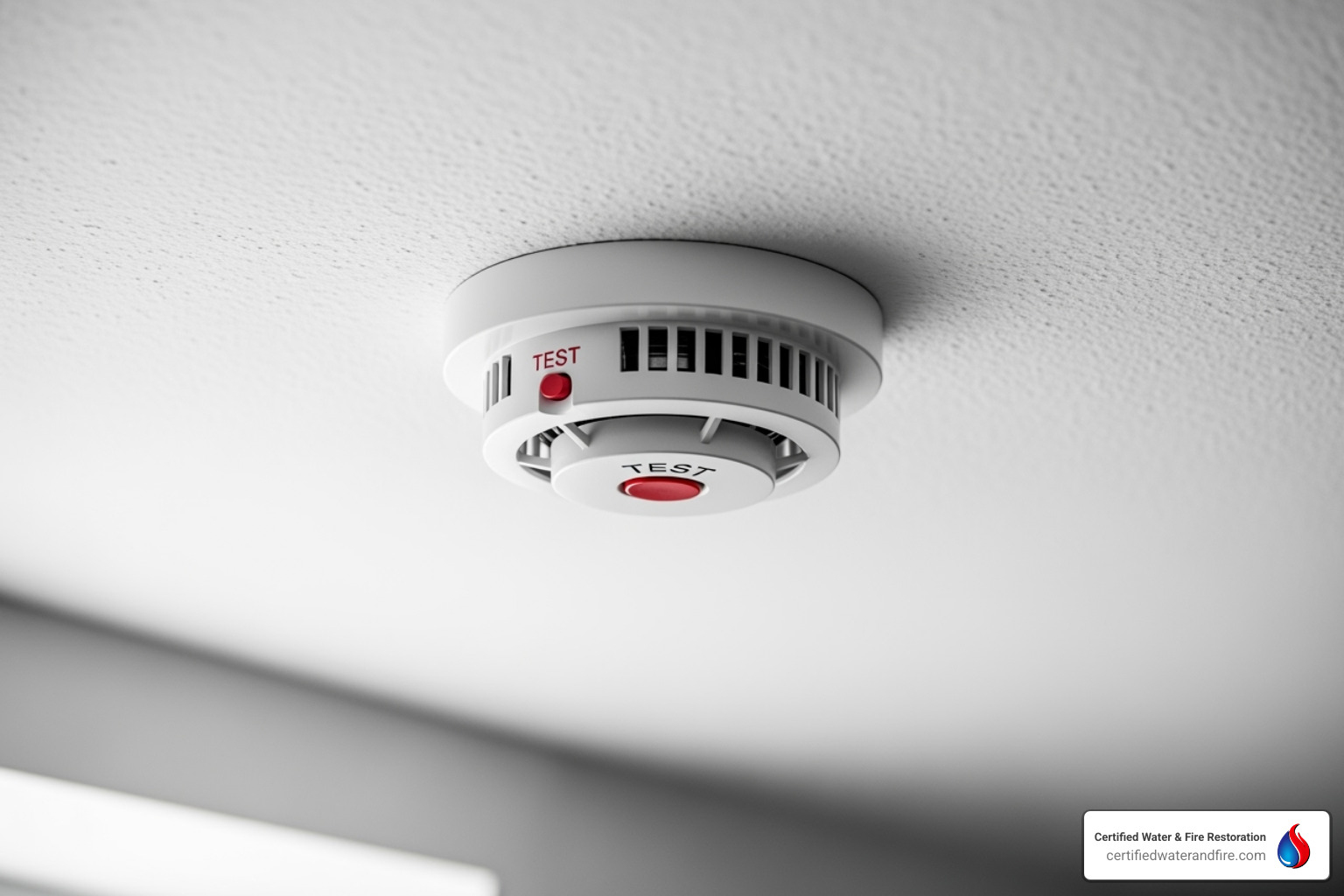
When your alarm starts its impromptu concert, the first step is always to verify there’s no actual fire! Do a quick visual and olfactory check. Once you’re certain it’s a false alarm, you can usually silence it by pressing a 'hush' or 'test' button. If it keeps going, the next step is often to clean the alarm. Gently vacuum around the vents to remove any dust or bugs. If it’s battery-operated, replace the batteries immediately. For hardwired units, you might need to temporarily cut the power at your breaker box to reset it, or simply hold down the reset button for a longer duration. If your alarm is older than 7-10 years and keeps misbehaving, it's time for a replacement.
False alarms are annoying, but they’re also a reminder that your safety systems are (perhaps a little too) vigilant. By understanding the common causes and knowing a few simple fixes, you can turn that sudden screech into a minor inconvenience rather than a moment of bewildered panic. Stay safe, and may your alarms only sound when they truly need to!