
My Carbon Monoxide Alarm Is Chirping
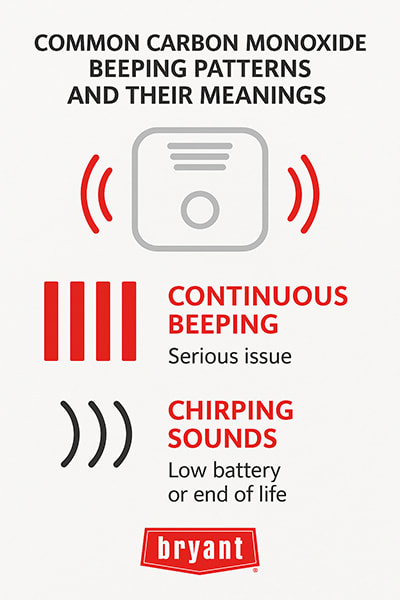
Ah, the sound of home! We often cherish the gentle hum of the refrigerator, the distant rumble of traffic, or the playful pitter-patter of tiny feet. But there's a new sonic sensation sweeping across the nation, captivating artists, hobbyists, and casual learners alike: the singular, unmistakable, and utterly compelling sound of, "My Carbon Monoxide Alarm Is Chirping." Yes, you heard right! What was once merely a call to action has now been reinterpreted as a minimalist masterpiece, a domestic soundscape, and an unexpected muse. It's becoming surprisingly popular, not as an annoyance, but as a unique opportunity for auditory exploration and a moment of mindful presence in our busy lives.
This distinct, intermittent "chirp" offers a wealth of benefits. For the aspiring artist, it's an exercise in found sound, challenging them to find beauty and rhythm in the mundane. It encourages a deeper appreciation for the acoustic texture of their living space, prompting questions about resonance, decay, and the psychological impact of sound. Hobbyists find it an exciting entry point into sound recording or even basic circuit analysis, wondering about the mechanics behind that precise, insistent beep. And for the casual learner, it’s a delightful prompt for mindfulness. It forces a pause, an acknowledgment of an external stimulus, and an immediate, albeit brief, engagement with the present moment. It’s an auditory meditation that says, "Pay attention!"
The variations of this auditory event are surprisingly rich. Some alarms emit a crisp, clear chirp, almost like a tiny digital bird. Others offer a more muffled, melancholic tone, suggesting a battery teetering on the brink. You might encounter a rapid-fire series, a slow, drawn-out plea, or the classic single, poignant beep. Imagine categorizing them: the "Early Morning Whisper Chirp," the "Midnight Insistence," or the "Persistent Mid-Afternoon Nudge." Each variation offers a different emotional resonance, making the "Chirping Alarm" a truly dynamic subject for sonic study. It's not just a sound; it's a narrative.
Must Read
Ready to try this unique sensory experience at home? First, and most importantly, let's be responsible audiophiles: always address the underlying issue by replacing your alarm's batteries immediately. But before you do, allow yourself a moment of mindful appreciation. Here’s how:
- Active Listening: Don't just hear it; listen. Notice the duration of the chirp, the silence between, its pitch, and how it interacts with the ambient sounds of your home.
- Contextual Observation: What time of day does it typically chirp? Does the room's acoustics change its character? Does it feel different on a sunny morning versus a quiet evening?
- Creative Interpretation: If this chirp were a character, what would it be? A tiny sentry? A melancholic poet? Try to draw the sound, or write a short poem inspired by its rhythm.
- (Optional) Safe Recording: With your phone, discreetly record a short segment before changing the battery. Now you have a personal sound sample for your domestic soundscape collection!
Ultimately, embracing "My Carbon Monoxide Alarm Is Chirping" as a unique moment of contemplation is profoundly enjoyable because it transforms a minor domestic annoyance into an opportunity for creativity and presence. It’s a whimsical reminder that even the most unexpected sounds in our lives can serve as tiny, insistent muses, nudging us to pause, listen, and find the extraordinary in the ordinary. So, the next time that little chirp echoes through your home, smile, listen, appreciate, and then, of course, change those batteries!


