
Multicrystalline Vs Monocrystalline Solar Panels
Ever gazed at the sun, not just for its warmth, but with a twinkle in your eye, imagining all the amazing things you could power with its endless energy? Solar panels, once a niche technology, have truly come into their own, offering us the incredible opportunity to harness the sun's generosity. It’s like discovering a new palette of creative possibilities, whether you’re dreaming of powering a whimsical garden sculpture, an off-grid studio, or simply making your home a little greener.
For the curious mind, the DIY enthusiast, or anyone looking to dip their toes into sustainable living, understanding the heart of these sun-catchers – specifically, the difference between Multicrystalline and Monocrystalline solar panels – is like choosing between two brilliant art supplies. Each has its own charm and utility, ready to empower your projects and deepen your connection with clean energy.
The beauty of exploring these options lies in the empowerment it offers. For hobbyists, it means selecting the perfect energy source for that remote bird feeder camera or powering your outdoor lighting without an electrician. For casual learners, it’s about making informed choices for your own home, understanding why your neighbor's roof might look a little different from a friend's. It's not just about watts and volts; it’s about making a conscious decision that aligns with your budget, space, and aesthetic preferences.
Must Read
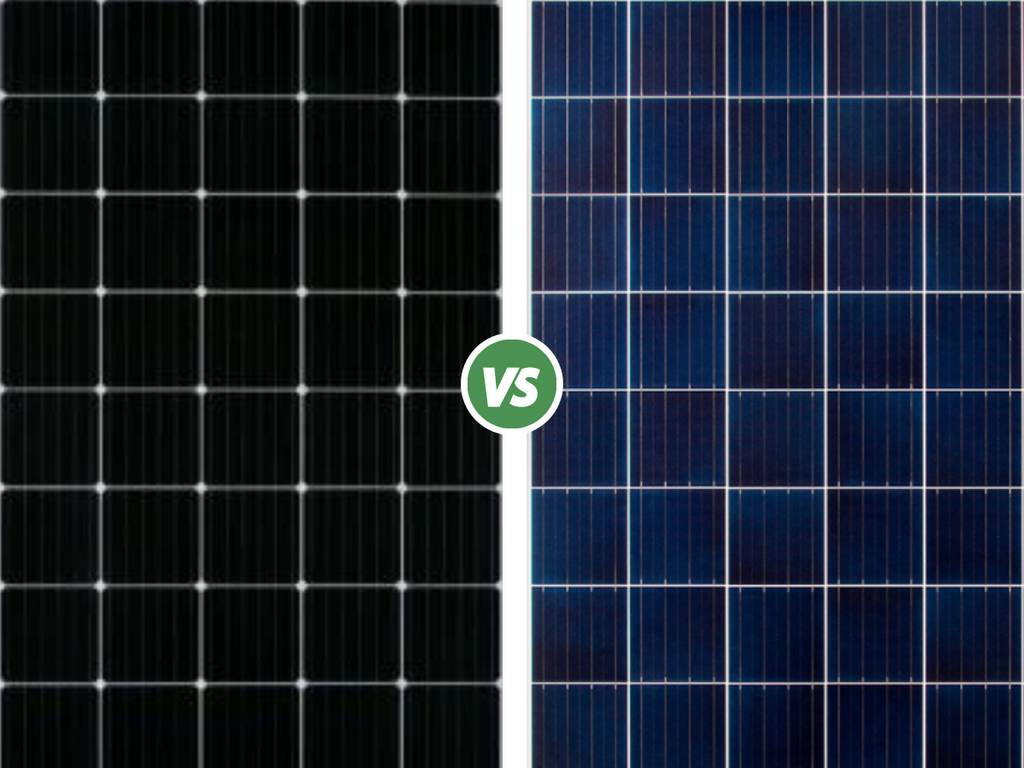
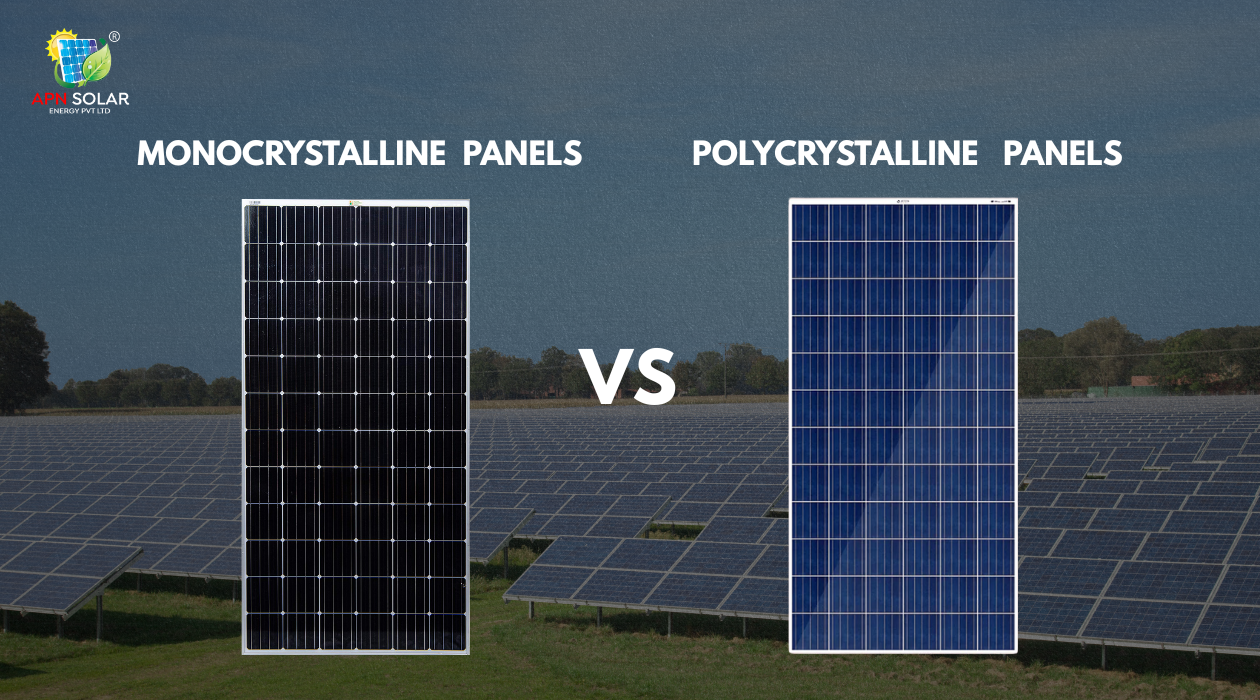
Think of Monocrystalline panels as the sleek, dark, uniform perfectionists of the solar world. They're typically darker, often black, and offer a slightly higher efficiency, meaning they can convert more sunlight into electricity from a smaller footprint. They're ideal for projects where space is at a premium, like powering a tiny house, an RV, or even a sophisticated art installation with limited roof area. Their uniform appearance also appeals to those who prioritize a clean, modern aesthetic.
On the other hand, Multicrystalline panels are the charming, speckled blue workhorses. While slightly less efficient per square foot than their monocrystalline cousins, they often come with a more accessible price point. This makes them a fantastic choice for larger installations where you have plenty of space, or for budget-conscious projects like powering a garden shed workshop, an off-grid cabin, or a ground-mounted system. Their distinct crystalline pattern gives them a unique visual texture, like a mosaic catching the light.
Ready to try it at home? Start small! Grab a simple solar phone charger kit or a set of solar garden lights. Notice the color and texture of their tiny panels – are they sleek black or speckled blue? This observation alone will kickstart your understanding. Research small DIY solar kits for camping or powering a small fan. Look into the wattage, voltage, and amperage. Most importantly, don't be afraid to experiment! See how different angles affect their charging capabilities throughout the day.
Ultimately, choosing between these solar siblings isn't about finding a "winner," but about finding the perfect fit for your unique aspirations. There’s an immense satisfaction in knowing you’ve harnessed the sun's power with your own informed choices, turning raw light into useful energy. It’s a joyful step towards self-sufficiency, a fascinating journey of learning, and a truly inspiring way to brighten your world, one photon at a time!
![[Comparison] Monocrystalline vs Polycrystalline Solar Panels](https://solarmagazine.com/wp-content/uploads/2020/07/monocrystalline-vs-polycrystalline-solar-panels.png)

