Ms High White Blood Cell Count
Okay, so picture this: I'm at a dinner party, attempting to gracefully navigate a conversation about artisanal cheese (because apparently that’s a thing now?). Everything’s going relatively smoothly until someone mentions their recent blood test results. Cue the floodgates opening! Everyone’s suddenly a medical expert, deciphering terms like "lymphocytes" and "neutrophils" like they’re reading a particularly juicy celebrity gossip column. Then someone, bless their heart, asks me if I’ve ever had a “Ms. High White Blood Cell Count” experience. I choked on my brie.
Let’s be real, "Ms. High White Blood Cell Count" isn't actually a person you meet at a cocktail party. It’s my playful way of referring to having an elevated white blood cell count, clinically known as leukocytosis. And it's way less glamorous than it sounds. (Sorry to burst your bubble if you were picturing a mysterious woman in a white coat with a penchant for petri dishes.)
So, what is a high white blood cell count? Why should you even care? Let’s dive in, shall we?
Must Read
What are White Blood Cells Anyway?
Think of white blood cells (WBCs) as your body’s tiny, vigilant security force. They patrol your bloodstream, constantly on the lookout for invaders like bacteria, viruses, parasites, and even cancerous cells. They're the heroes we never see, working tirelessly to keep us healthy. We should really send them a fruit basket or something.
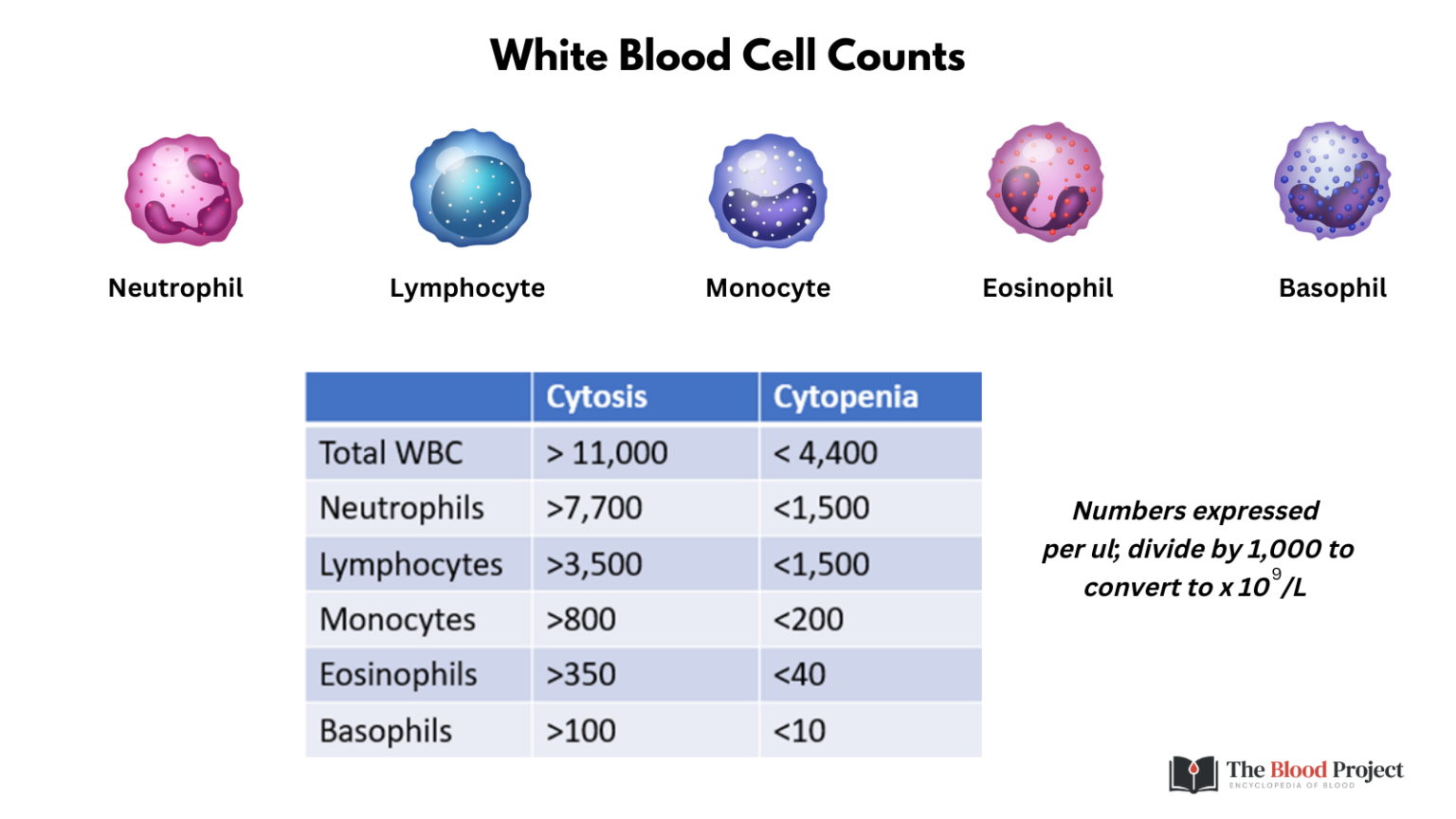
Now, there are different types of WBCs, each with its own specialized role. You’ve got neutrophils (the first responders), lymphocytes (the memory keepers), monocytes (the clean-up crew), eosinophils (the allergy fighters), and basophils (the rare but mighty). Each type plays a crucial part in your immune system’s intricate dance.

Why Would My WBCs Be Elevated?
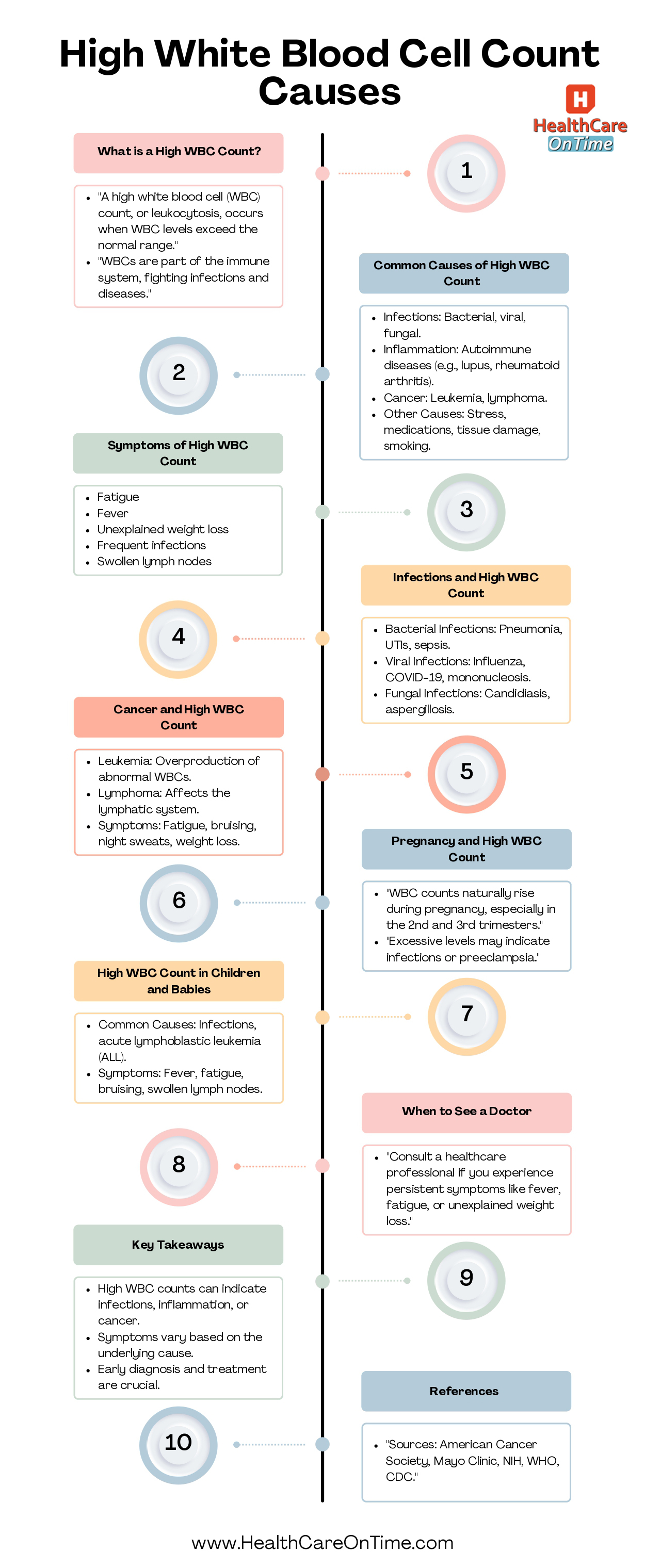
A high white blood cell count, or leukocytosis, basically means your body is signaling that something’s up. Your immune system is saying, "Houston, we have a problem!" There are numerous reasons why this might happen.
Common culprits include:
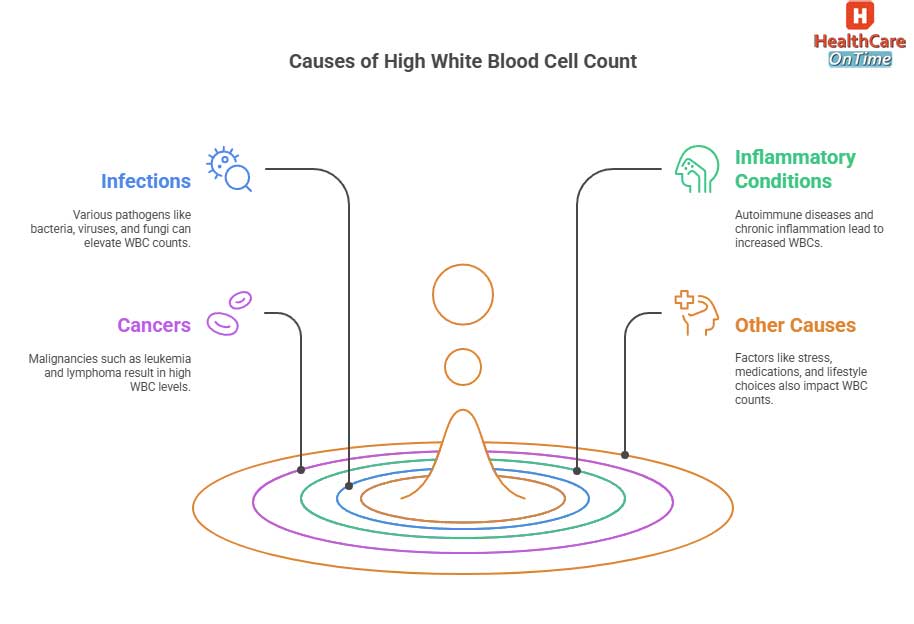
- Infection: Bacterial, viral, fungal – you name it. If your body's fighting something off, your WBCs will mobilize.
- Inflammation: Conditions like arthritis, inflammatory bowel disease, and even severe allergies can trigger an increase in WBCs.
- Stress: Yup, good old stress. Both physical and emotional stress can temporarily bump up your WBC count. That deadline at work? Blame that.
- Certain Medications: Some drugs, like corticosteroids, can have leukocytosis as a side effect.
- Underlying Medical Conditions: In rarer cases, leukocytosis can be a sign of a more serious condition like leukemia or other blood disorders. (But don’t panic! We’re just covering all the bases here.)
Side note: Don't immediately Google "leukemia" if your doctor says you have a high WBC count. It's almost always something less scary.
What Happens Next?
If your doctor discovers you have leukocytosis, they'll likely order more tests to figure out the cause. This might involve a more detailed blood analysis (called a blood differential to see which types of WBCs are elevated), imaging scans, or even a bone marrow biopsy in rare cases. The investigation depends heavily on your medical history and any other symptoms you might be experiencing.

The treatment, of course, depends entirely on the underlying cause. If it’s an infection, antibiotics or antivirals might be prescribed. If it’s inflammation, anti-inflammatory medications could be the answer. And so on. Basically, they treat the problem, and the WBC count should normalize.
The Takeaway?
Having a high white blood cell count isn’t a disease in itself. It's a sign. A sign that your body is trying to tell you something. It's important to listen to your body and work with your doctor to figure out what that "something" is. Regular check-ups and honest communication with your healthcare provider are key to maintaining good health. And, maybe, avoid conversations about artisanal cheese at dinner parties. You never know where they might lead. (Just kidding... mostly.)
So, next time someone mentions "Ms. High White Blood Cell Count," you can confidently chime in with your newfound knowledge. You might even impress them with your understanding of lymphocytes and neutrophils. Just don’t choke on your brie.