
Mouth Guard For Teeth Grinding Cost

Let's talk teeth. Specifically, let's talk about what happens when those pearly whites are staging a nighttime grudge match. We're diving into the world of mouth guards for teeth grinding (clinically known as bruxism) and, more importantly, what they're going to set you back.
Think of a mouth guard as a tiny, personalized security detail for your teeth. They're designed to cushion the blow of nocturnal grinding and clenching, saving you from a whole host of dental dramas, from jaw pain and headaches to chipped teeth and premature wear. But before you picture yourself sleeping soundly with a protective shield, let's break down the cost factor, because, let’s be honest, that’s often the first question on our minds.
The Price Spectrum: From Budget to Bougie
Mouth guard prices aren’t a one-size-fits-all affair. They range from the budget-friendly drugstore options to the custom-fitted, dentist-designed models that are basically the Rolls Royce of oral protection. Here's a rundown:
Must Read
Over-the-Counter (OTC) Mouth Guards: These are your entry-level players. Found at most drugstores and sporting goods stores, they typically fall into two categories: stock mouth guards and boil-and-bite mouth guards.
Stock mouth guards are pre-formed and ready to wear. Think of them as the ready-to-wear fashion of mouth guards. They're the cheapest (usually under $20), but they aren't known for their comfort or fit. Imagine trying to wear a shoe that's two sizes too big all night—not ideal, right?
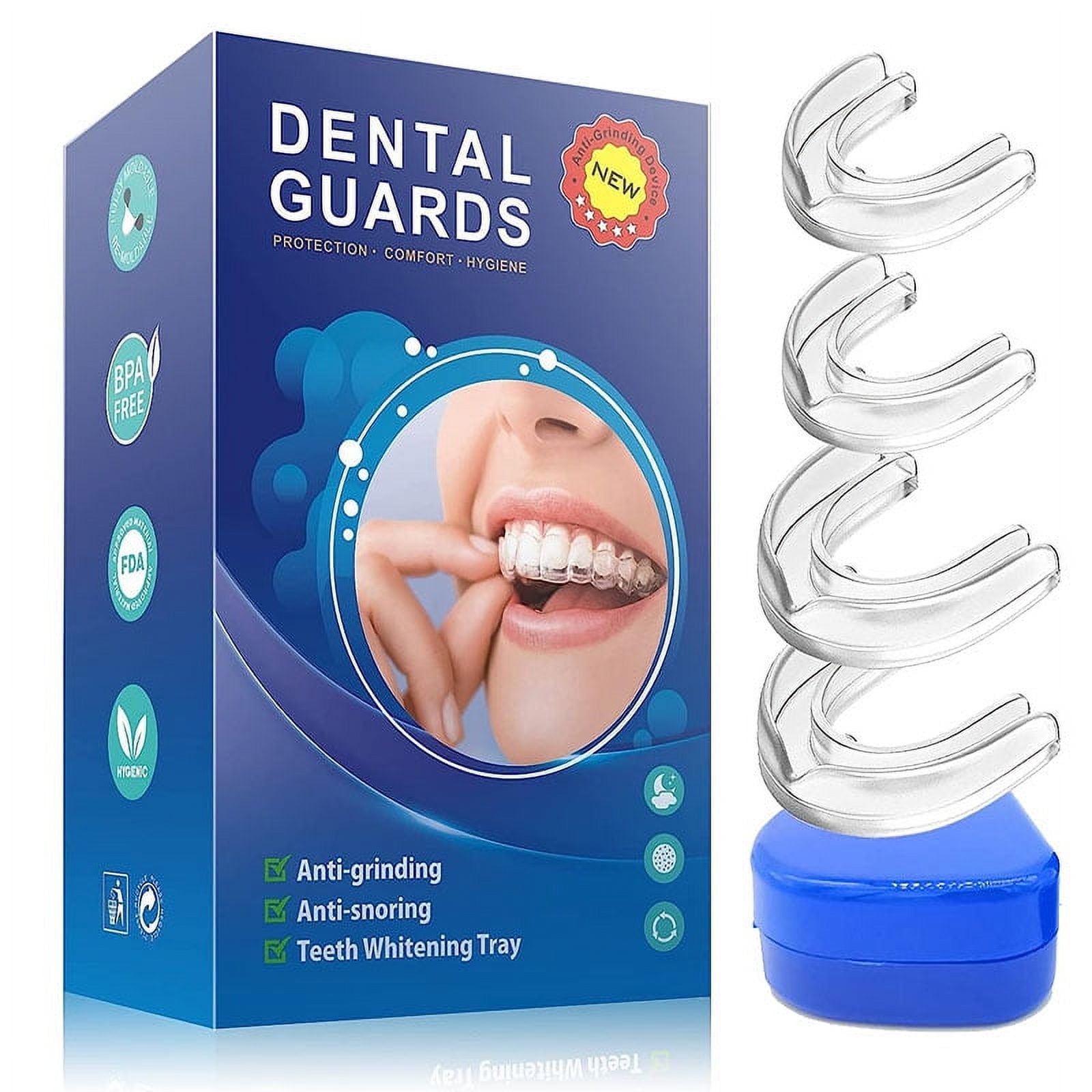
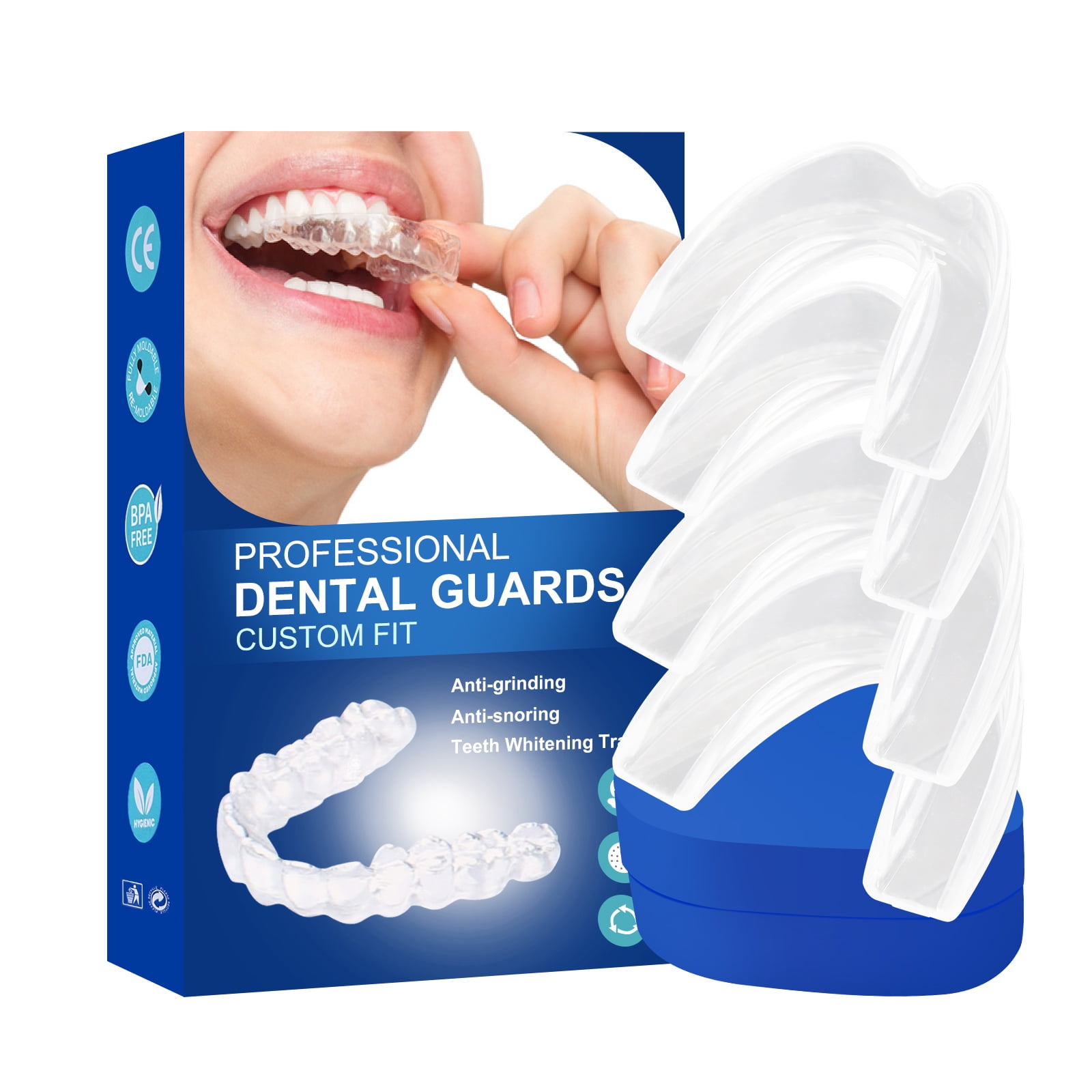
Boil-and-bite mouth guards offer a bit more customization. You heat them up in hot water, then bite down to mold them to your teeth. They offer a slightly better fit than stock guards and usually cost between $20 and $50. However, even with careful molding, they may not be as snug or effective as a custom-fitted guard.
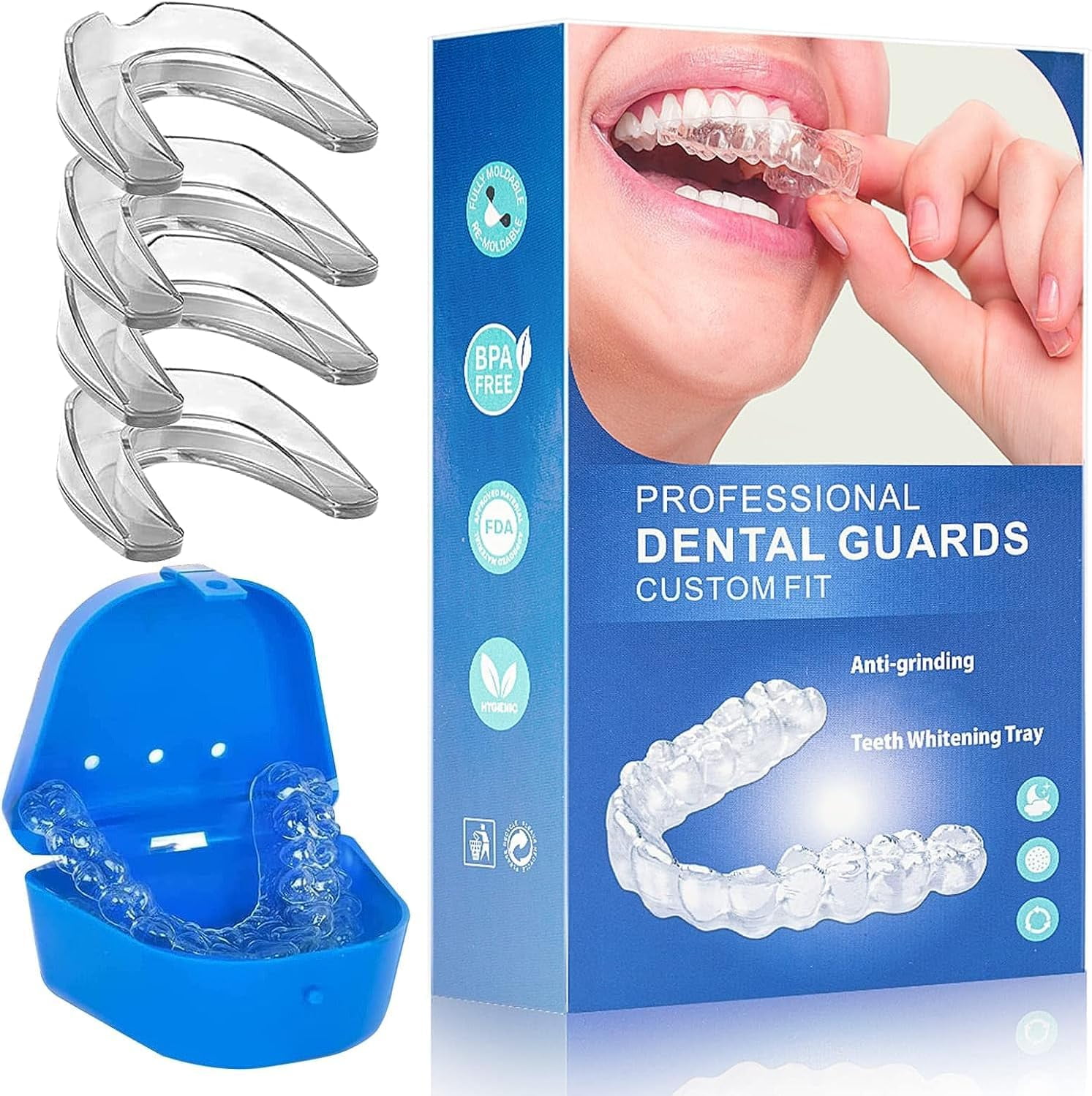
Custom-Fitted Mouth Guards: These are the VIPs of mouth guards. They're made by your dentist based on an impression of your teeth, ensuring a perfect fit and maximum protection. The price reflects this bespoke service, typically ranging from $200 to $800 or even higher, depending on your dentist's fees and the materials used.
Why the Price Difference Matters
So, why the huge price gap? A custom-fitted mouth guard offers several advantages:
- Superior Fit: A perfect fit means more comfort and better protection. No slipping, no gagging, just sweet, peaceful sleep (hopefully!).
- Durability: Custom guards are usually made from higher-quality materials, making them more durable and longer-lasting than OTC options. Think of it as investing in a good pair of shoes – they might cost more upfront, but they'll last longer and save you money in the long run.
- Customization: Your dentist can tailor the guard to your specific needs, such as adjusting the thickness or adding features to address specific issues like TMJ (temporomandibular joint) disorders.
Pro Tip: Check with your dental insurance provider. Some plans cover a portion of the cost of custom-fitted mouth guards, especially if they're prescribed for a diagnosed condition like bruxism.
The Long-Term Investment
Choosing a mouth guard isn't just about the initial cost; it’s about the long-term investment in your oral health. Think about the potential cost of not protecting your teeth: fillings, crowns, root canals, and even implants. These procedures can add up quickly, making a good mouth guard a surprisingly economical choice.
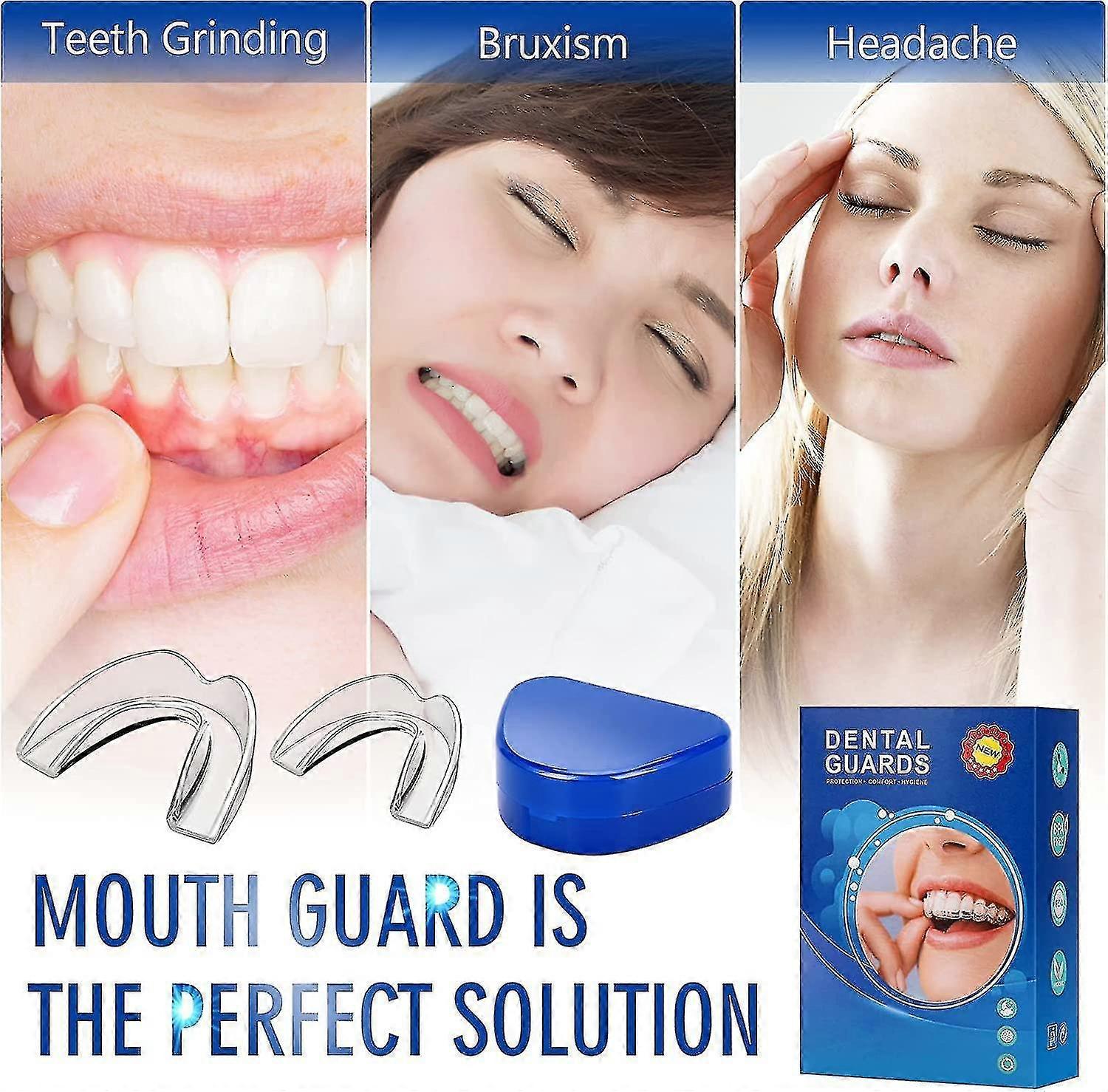
Beyond the monetary savings, consider the impact on your quality of life. Grinding and clenching can lead to headaches, jaw pain, and sleep disturbances. A well-fitting mouth guard can alleviate these symptoms, allowing you to wake up refreshed and ready to tackle the day.
Fun Fact: Did you know that some athletes wear mouth guards not just for contact sports, but also during weightlifting? The theory is that clenching down on a mouth guard can help stabilize the jaw and improve performance.
Practical Tip: Regardless of which type of mouth guard you choose, clean it regularly with a toothbrush and toothpaste. You can also soak it in a denture cleaner solution to kill bacteria. Think of it like brushing your teeth – you want to keep that oral environment nice and fresh!
Choosing a mouth guard is a personal decision, and the right choice depends on your budget, needs, and the severity of your grinding. Talk to your dentist about the best option for you. They can assess your teeth, diagnose any underlying issues, and recommend a mouth guard that will provide optimal protection.
Ultimately, investing in a mouth guard is an investment in your overall well-being. A good night's sleep, free from jaw pain and dental damage, is priceless. It's about taking care of yourself, one smile at a time.