
Most Absorption Of Nutrients Occurs In The

Ever wonder where all the magic happens after you devour that delicious slice of pizza or slurp down your favorite smoothie? I'm talking about the nutrient absorption, the real MVP of digestion!
Forget the stomach's acidic party or the mouth's initial chomping – the spotlight shines brightly on the small intestine. Yup, this unassuming, coiled-up tube is where the vast majority of nutrient absorption occurs. Think of it as the digestive system's Grand Central Station, a bustling hub of activity.
The Unsung Hero: Your Small Intestine
The small intestine, despite its name, isn't actually all that small. In fact, it's more like a ridiculously long garden hose crammed into your abdomen! We're talking about a length of roughly 20 feet in adults.
Must Read
Imagine trying to decorate a 20-foot-long room! That's the kind of space we're dealing with, all dedicated to extracting the good stuff from your food. Quite impressive, wouldn't you say?
Now, why is this long, winding structure so good at soaking up nutrients? It's all about the surface area, baby! This is like designing a house with every single wall covered in velcro.
A Masterpiece of Engineering: Villi and Microvilli
The inside of the small intestine isn't smooth; it's covered in tiny, finger-like projections called villi. Think of them as microscopic velvet piled up to increase contact with the passing food. Each villus is packed with blood vessels and lymphatic vessels, ready to whisk away the absorbed nutrients.
And wait, there's more! Each of those villi is also covered in even tinier projections called microvilli. These guys are so small that they look like a fuzzy brush. This further expands the surface area, maximizing the nutrient-absorbing potential. This is like attaching little velcro hooks to all the velvet fibers!
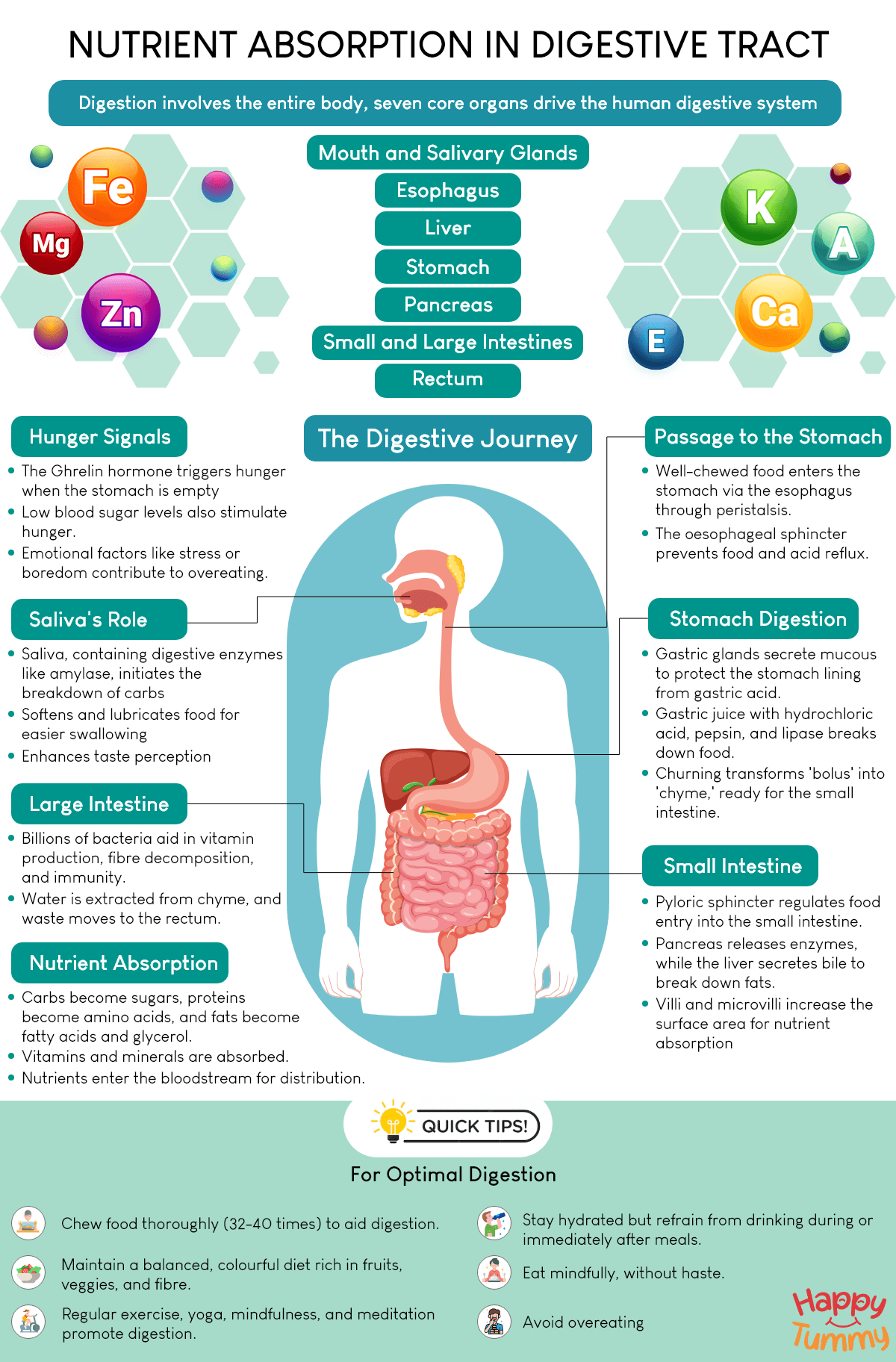
All these folds and projections create an enormous surface area, estimated to be around 250 square meters – about the size of a tennis court! That's a lot of real estate for nutrient absorption!
How Nutrients Actually Get Absorbed
So, how do all those yummy nutrients actually make their way from your lunch into your bloodstream? It's a surprisingly sophisticated process involving different mechanisms for different types of nutrients.
Some nutrients, like simple sugars and amino acids, are actively transported across the intestinal lining. This means the body uses energy to pull them in. Think of it like little digestive helpers pushing the nutrients up a steep hill.
Other nutrients, like fats, are absorbed more passively. They simply diffuse across the intestinal lining, following the concentration gradient. This is like going down a water slide with very little effort.
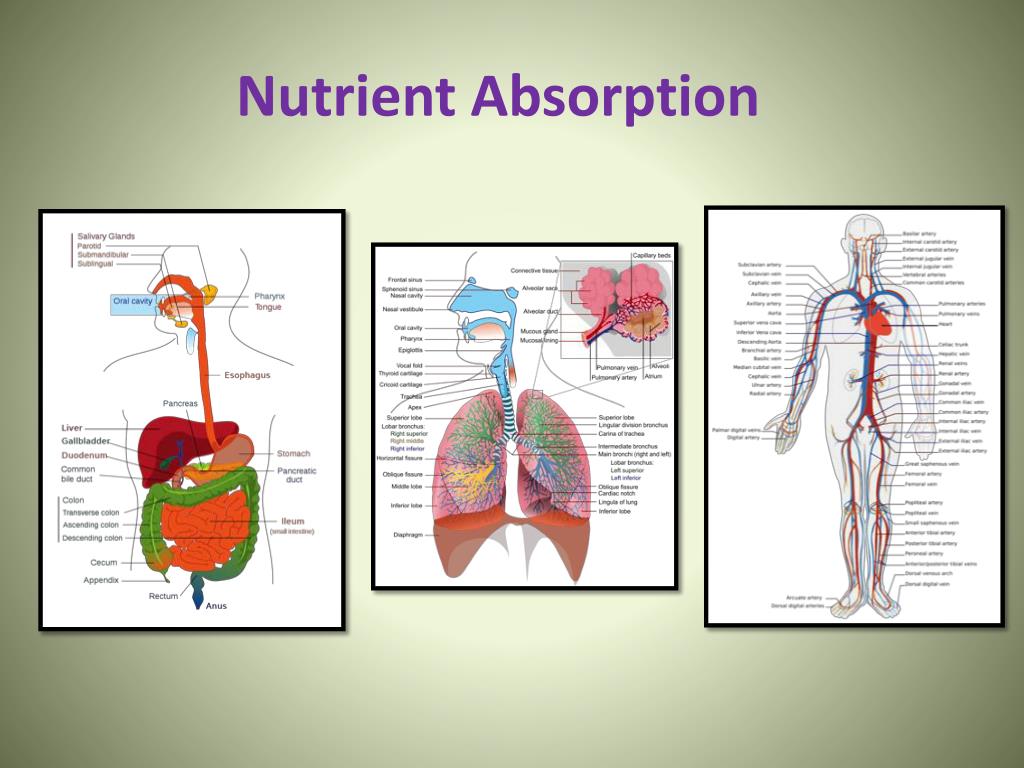
Special proteins in the intestinal cells also play a vital role in transporting certain nutrients. These proteins act like tiny ferries, shuttling nutrients across the cell membrane. These proteins are the taxi drivers of your gut!
A Symphony of Enzymes
Of course, before nutrients can be absorbed, they need to be broken down into smaller, more manageable pieces. That's where enzymes come in! These biological catalysts speed up the breakdown of food molecules.
The pancreas is the major player in producing these digestive enzymes, squirting them into the small intestine through a special duct. It's like the chef sending out perfectly portioned meals to eager diners.
Different enzymes are responsible for breaking down different types of food molecules. Amylase breaks down carbohydrates, protease breaks down proteins, and lipase breaks down fats. It's a well-coordinated team effort!
What Happens When Things Go Wrong?
Sometimes, the small intestine can experience problems that interfere with nutrient absorption. This can lead to various health issues, including malnutrition, fatigue, and digestive discomfort.
Conditions like celiac disease, Crohn's disease, and ulcerative colitis can damage the intestinal lining, reducing its ability to absorb nutrients. Imagine ripping holes in the velcro – it wouldn't work so well anymore!
In some cases, surgical removal of parts of the small intestine can also impair nutrient absorption. This is like downsizing from a tennis court to a postage stamp!
Taking Care of Your Small Intestine
Fortunately, there are many things you can do to support the health of your small intestine and ensure optimal nutrient absorption. Eating a balanced diet rich in fruits, vegetables, and whole grains is a great place to start.
Consuming probiotics, beneficial bacteria that live in your gut, can also promote intestinal health. Probiotics help maintain a healthy gut environment, supporting digestion and nutrient absorption. Yogurt, kefir, and sauerkraut are all excellent sources of probiotics.

Avoiding processed foods, sugary drinks, and excessive alcohol consumption can also help protect your small intestine. These substances can irritate the intestinal lining and disrupt the delicate balance of gut bacteria.
The Small Intestine: A True Digestive Marvel
So, the next time you eat a meal, take a moment to appreciate the amazing work of your small intestine. This unassuming organ is the unsung hero of digestion, quietly absorbing the nutrients that keep you healthy and energized.
It's a testament to the incredible design and efficiency of the human body. A 20-foot long tube working day and night to keep you going! That's an organ worth celebrating!
From its velvety villi to its enzyme-powered breakdown of food, the small intestine is a true digestive marvel. It is definitely the champion of nutrient absorption.
Remember, the small intestine is your best friend when it comes to getting the most out of your food! So treat it well.