Monocrystalline Vs Polycrystalline Solar Cells
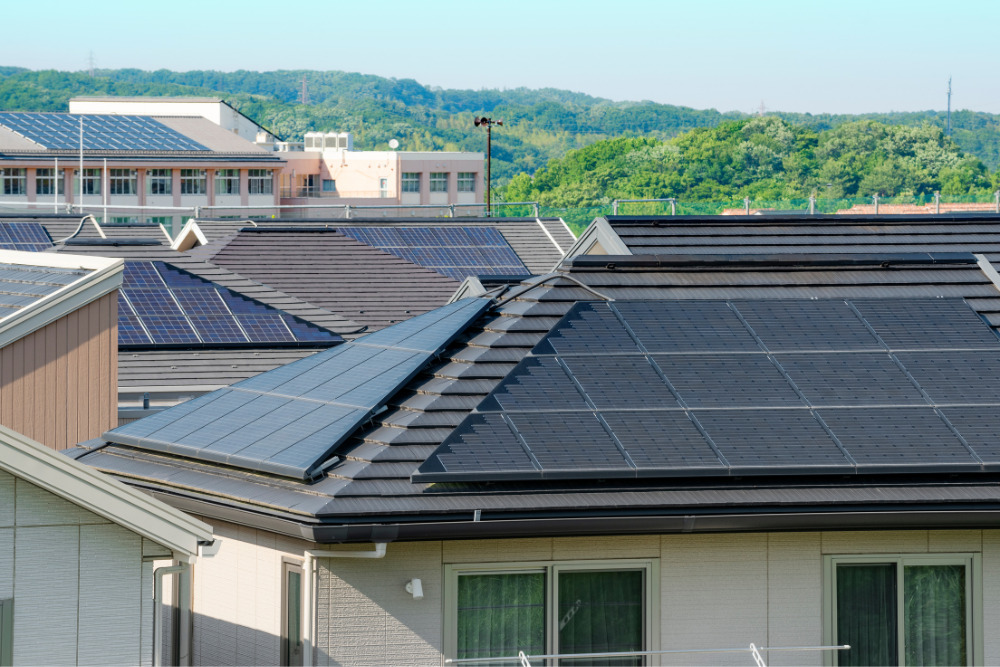
Ever looked up at a rooftop and seen those sleek, dark panels soaking up the sun? Or perhaps you've noticed a slightly bluer, more fragmented pattern on another? You've just encountered two of the most common types of solar cells: monocrystalline and polycrystalline. Understanding the difference isn't just for engineers; it's a fascinating peek into how we harness the sun's incredible power, and it can even help you make smarter choices about clean energy. It’s pretty fun to be able to identify the tech that’s powering our future, don't you think?
At their core, both types of solar cells serve the same brilliant purpose: to convert sunlight directly into electricity. This process, known as the photovoltaic effect, is a cornerstone of renewable energy. The main benefit, of course, is generating clean power, which reduces our reliance on fossil fuels, lowers carbon emissions, and saves money on electricity bills over time. It’s a win-win for your wallet and the planet!
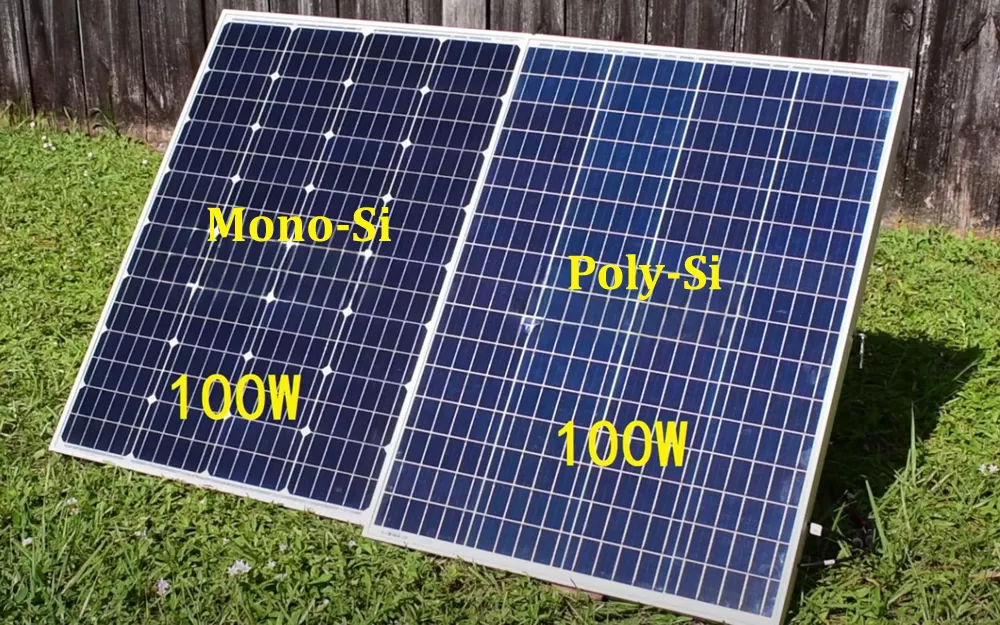
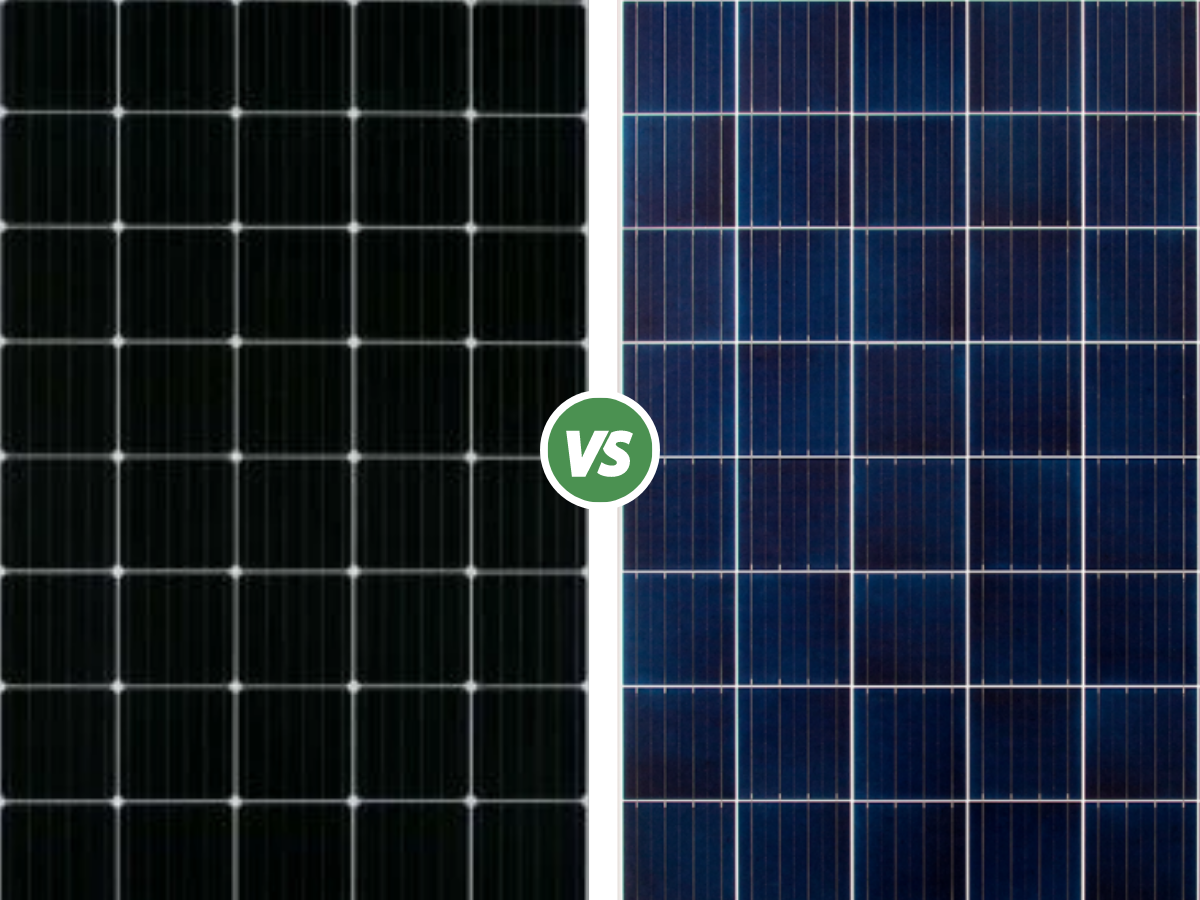
So, what sets them apart? Think of monocrystalline panels as the 'sleek athletes' of the solar world. They're made from a single, pure crystal of silicon, grown in a uniform way, sliced thin, and given that distinctive, dark, uniform look. This pristine structure allows electrons to move very freely, making them highly efficient at converting sunlight into electricity – often between 17% and 22%. They tend to perform slightly better in lower light conditions and require less space for a given power output.
Must Read
On the flip side, polycrystalline panels are like the 'hardy workhorses.' They're made by melting silicon fragments together and casting them into a block, which results in multiple, smaller crystals. This gives them a slightly bluer, often 'fractured' or 'marbled' appearance. While not quite as efficient as monocrystalline cells (typically 15-17%) because of the crystal boundaries, they are generally more cost-effective to produce, making them an excellent value proposition.

Where do you see them in action? You'll find monocrystalline panels frequently on residential rooftops where space might be limited, and homeowners want maximum power from a smaller area. Their elegant, uniform look also appeals to many. Polycrystalline panels are often found in large-scale solar farms where land isn't as much of a constraint, and the slightly lower cost per watt makes them an attractive option for massive installations. Beyond the big stuff, even your small solar-powered garden lights, pocket calculators, or portable phone chargers might use one of these technologies, often without you even realizing it!
Want to become a solar detective? Next time you see a solar panel, try to discern its type. Is it uniformly dark and smooth, with rounded corners (likely monocrystalline)? Or does it have a bluer, more fragmented or crystal-like pattern with square cells (polycrystalline)? You can also explore online resources from reputable solar installation companies or energy education portals. Many science museums even have exhibits where you can see solar cells up close and perhaps even experiment with small DIY solar kits. It’s a wonderfully accessible way to connect with the energy revolution happening all around us!