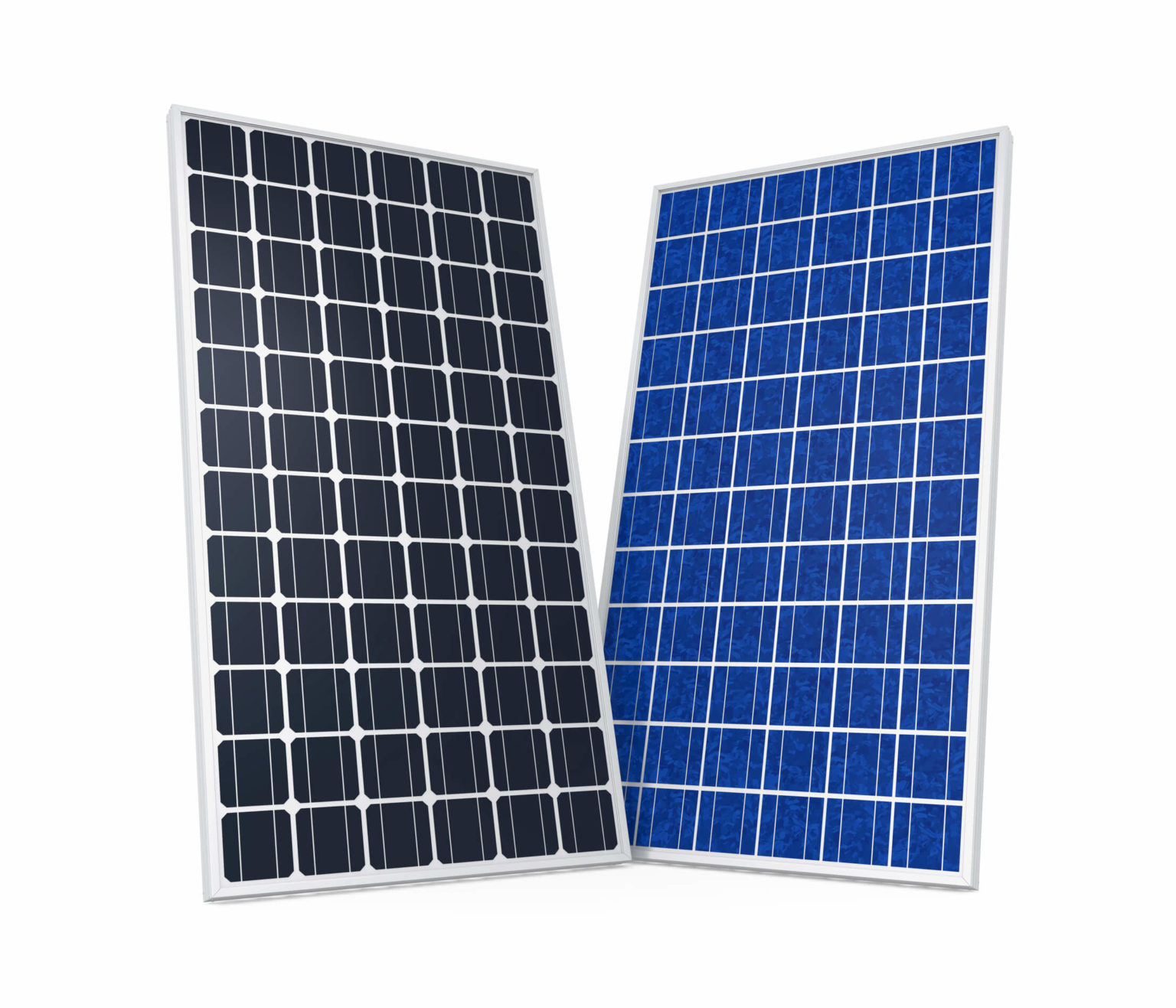
Monocrystalline Solar Panels Vs Polycrystalline Solar Panels
So, you’re thinking about harnessing the sun’s glorious energy, are you? Smart move! Going solar isn't just a trend; it's a lifestyle upgrade, a savvy financial decision, and a high-five to Mother Earth all rolled into one. But navigating the world of solar panels can feel a bit like choosing between espresso and pour-over – both are coffee, but with distinct vibes. Today, we're diving into the delightful duel of monocrystalline vs. polycrystalline solar panels. Don't worry, we'll keep it light, bright, and utterly digestible!
Imagine setting up your very own mini power plant. Exciting, right? Before you envision yourself as the next Elon Musk, let's break down the two main stars of the show.
The Sleek & Chic: Monocrystalline Solar Panels
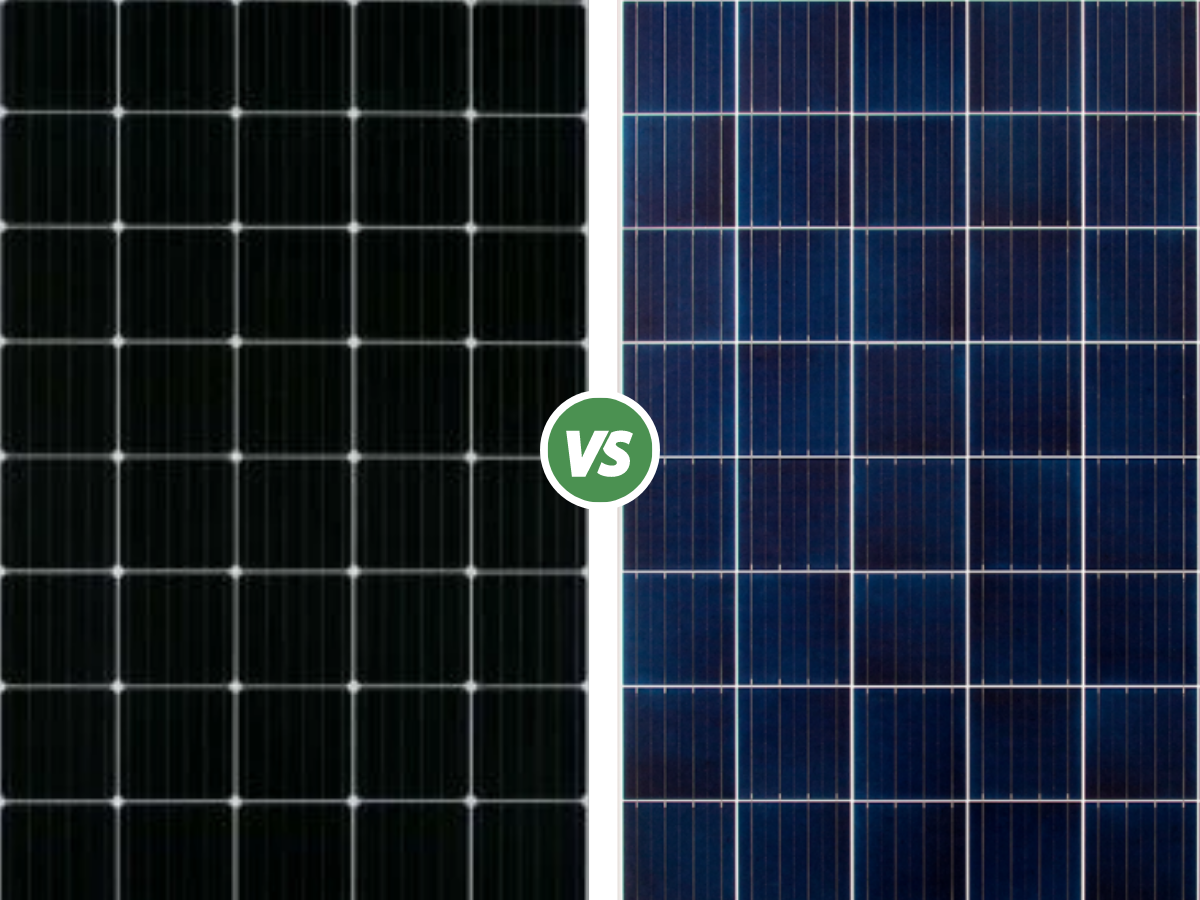
Think of monocrystalline panels as the designer jeans or the Tesla of the solar world. They’re instantly recognizable by their uniform, dark, often black appearance, giving your roof that sleek, modern aesthetic that just screams "future-ready."
Must Read
What makes them so chic? Each panel is made from a single, pure silicon crystal. This meticulous process gives them their signature dark hue and, more importantly, makes them incredibly efficient. They're like the sprinters of the solar race, converting sunlight into electricity with impressive speed.
Because of their high efficiency (often in the 18-24% range!), monocrystalline panels require less roof space to generate the same amount of power as their counterparts. This is a huge win if your roof isn't the size of a football field. They also tend to perform a tad better in slightly lower light conditions, though the difference isn't always night and day.
Fun Fact: The single-crystal growth process for monocrystalline silicon is similar to how computer chips are made – talk about high-tech!
The Reliable & Robust: Polycrystalline Solar Panels
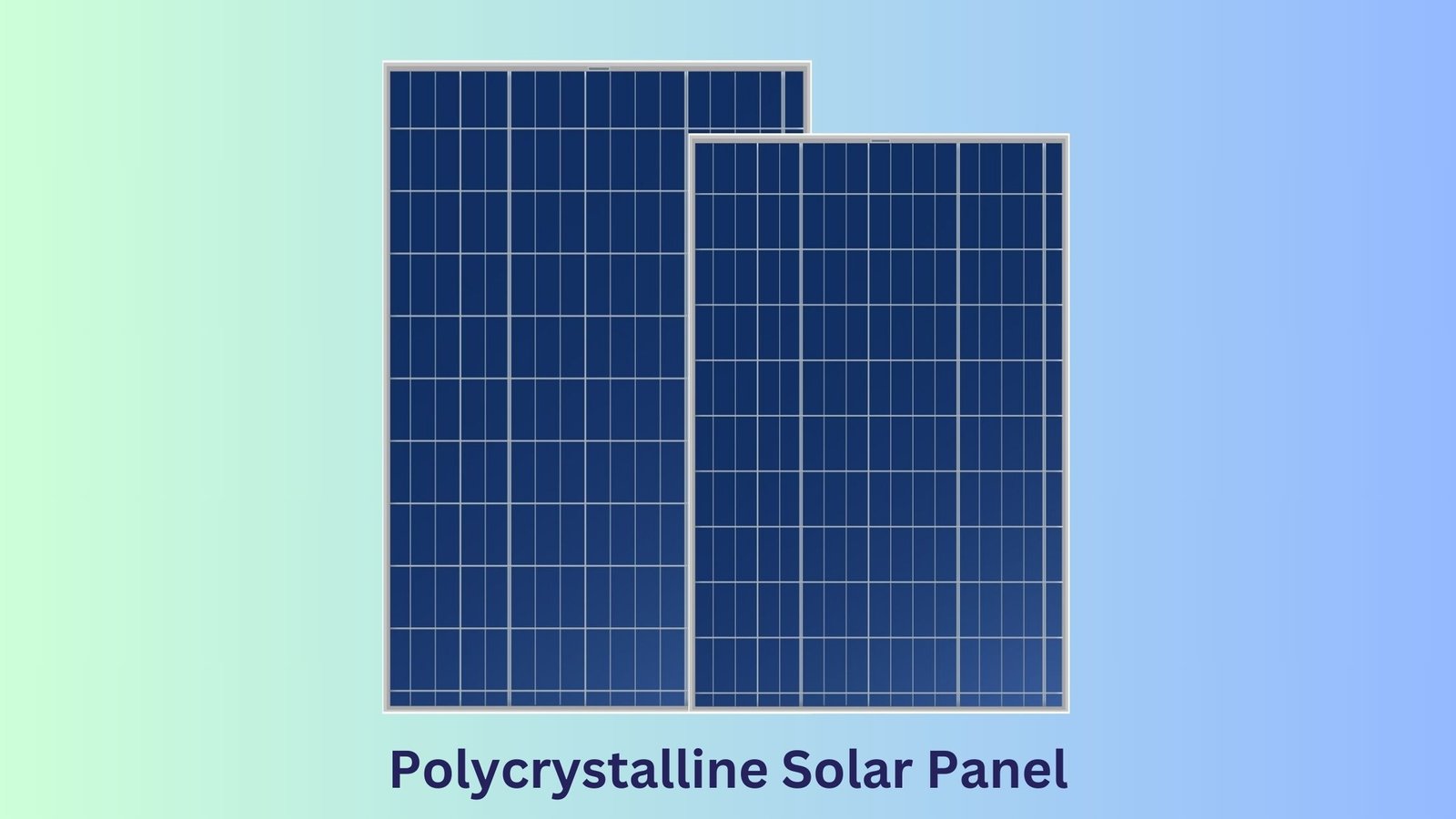
Now, meet the polycrystalline panel – the classic blue jeans or the reliable Toyota Camry of solar. These panels have a distinctive blue, sometimes mottled appearance, a result of their unique manufacturing process. Instead of a single crystal, they’re made from multiple silicon crystal fragments melted together.
This multi-crystal approach makes them generally more economical to produce, which translates to a lower upfront cost for you. While they might be a touch less efficient than their mono siblings (typically 15-18% efficiency), they are by no means a slouch. They're like the marathon runners – consistent, dependable, and get the job done beautifully over the long haul.

If you have ample roof space and you're looking for fantastic value without compromising on quality, polycrystalline panels are an excellent choice. They've been a stalwart in the solar industry for years, proving their durability and performance across countless installations.
Practical Tip: Their slightly lower efficiency means you might need a few more panels to reach your desired energy output compared to monocrystalline, so consider your available space!
![[Comparison] Monocrystalline vs Polycrystalline Solar Panels](https://solarmagazine.com/wp-content/uploads/2020/07/monocrystalline-vs-polycrystalline-solar-panels.png)
So, Which One Should You Choose?
It boils down to a few key factors, much like choosing a new car or a vacation spot:
- Budget: If upfront cost is your primary concern, polycrystalline panels often offer a more budget-friendly entry point.
- Space: Got a smaller roof or limited area? Monocrystalline's higher efficiency per square foot makes it a fantastic fit.
- Aesthetics: Prefer that sleek, uniform all-black look? Monocrystalline wins on style points. If the classic blue doesn't bother you, polycrystalline is a solid pick.
- Performance: Both are robust, but monocrystalline edges out slightly in peak efficiency and potentially in very low-light conditions.
Don't forget to consider the big picture! The quality of your inverter, the expertise of your installer, and the specific rebates and incentives available in your area can often play a bigger role in your overall solar experience and savings than the panel type alone. It's a bit like buying a gourmet coffee maker – the beans matter, but so does the grinder and your brewing technique!
Your Sunny Future Awaits
Ultimately, whether you opt for the sleek prowess of monocrystalline or the reliable charm of polycrystalline, you're making a fantastic decision. You're not just installing panels; you're investing in energy independence, reducing your carbon footprint, and quite literally powering your home with sunshine. That's a feel-good story we can all get behind. So go ahead, soak up the rays, and enjoy the radiant benefits of your very own solar-powered lifestyle!