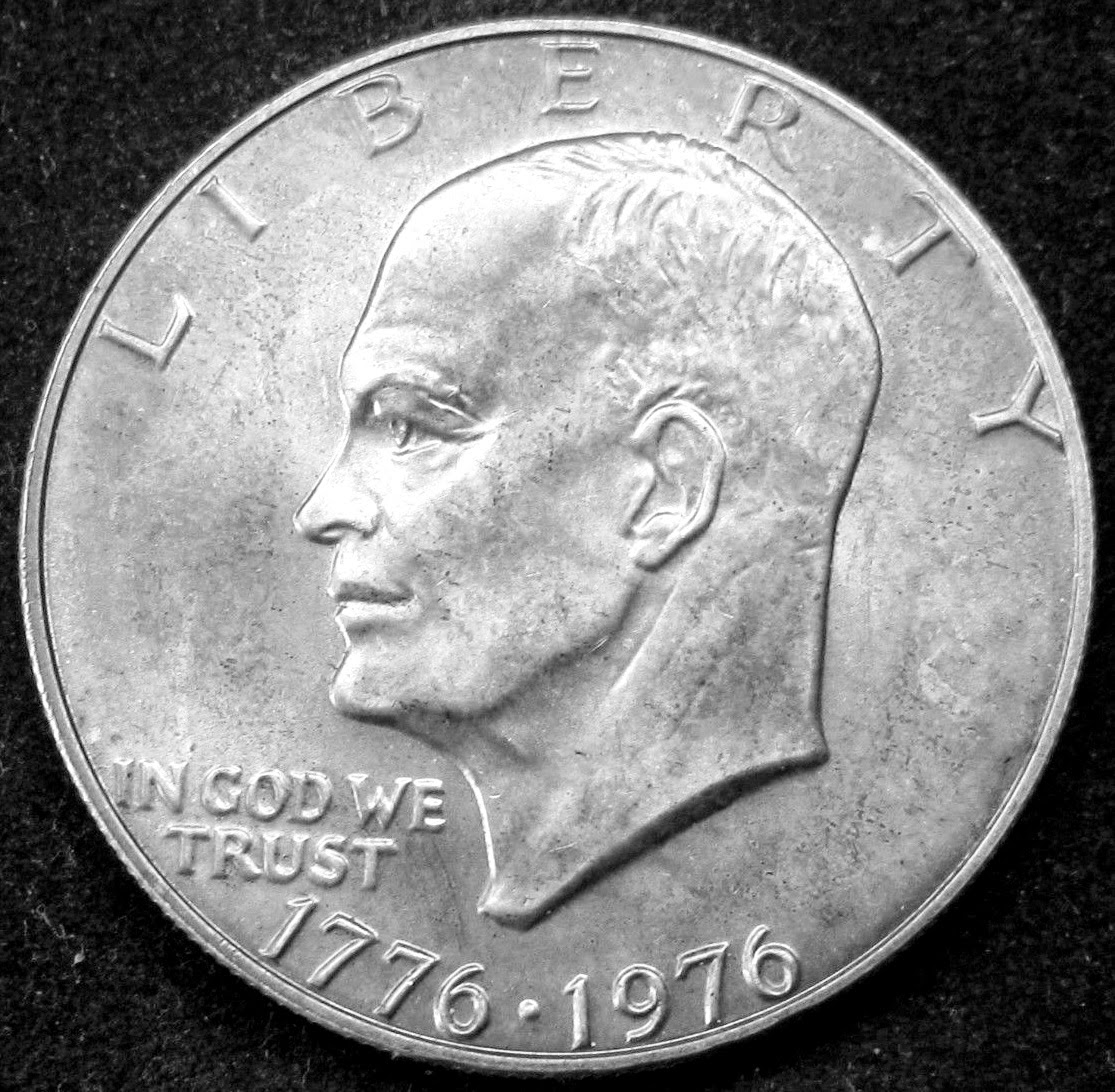
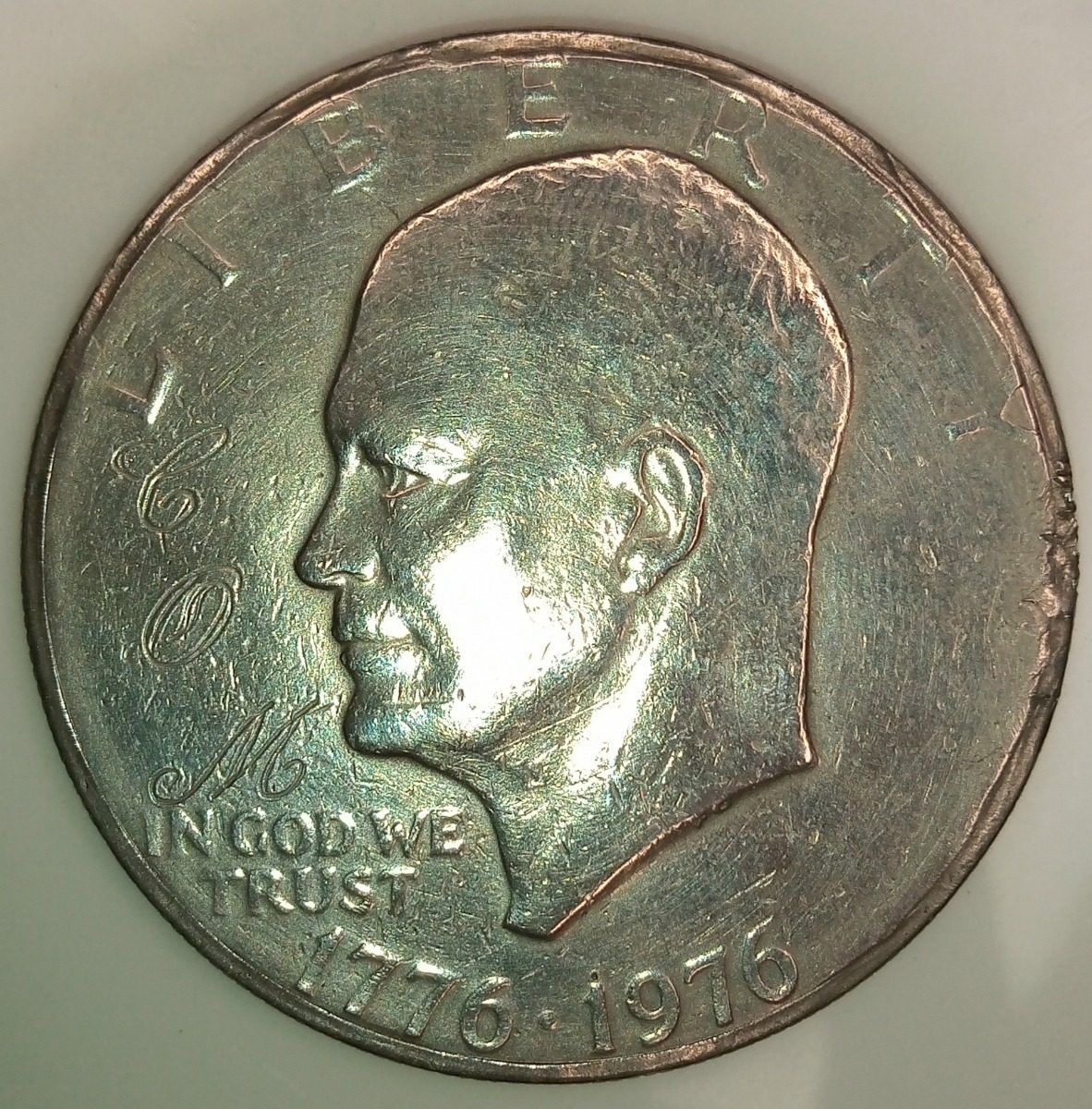
Moneda De Un Dólar De 1776 A 1976 Precio

Ah, the allure of the past! There's something inherently fascinating about holding a piece of history in your hand, especially when it comes to coins. We're drawn to them because they represent more than just monetary value; they're tangible links to different eras, embodying the art, politics, and economies of bygone days. And when that coin commemorates a significant moment, like the 200th anniversary of a nation, well, the collector's bug bites even harder!
We're talking about the 1776-1976 Bicentennial Eisenhower dollar, a coin that still sparks curiosity and sometimes, a bit of confusion. You might find one tucked away in a drawer, inherited from a relative, or perhaps you've stumbled upon one at a garage sale. The natural question then becomes: is it worth anything? Understanding the potential value and the historical significance of these coins is a rewarding exercise. It's not just about the money; it’s about understanding a piece of American heritage.
The purpose of these coins, beyond being legal tender, was to celebrate the bicentennial of the United States. They served as a patriotic reminder of the nation's founding and the principles it was built upon. You'll find them in various forms: clad (made of copper and nickel) and silver-clad versions. The reverse design, featuring the Liberty Bell superimposed on the moon, was chosen through a public competition and is a stark departure from the traditional eagle design. These coins were intended to be circulated, hence you might see them in everyday transactions even today. However, the silver-clad versions, typically found in special mint sets or proof sets, were geared more towards collectors.
Must Read
So, how can you appreciate these coins more effectively, and maybe even turn a profit? First, determine the coin's composition. A silver-clad version will have a distinct ring and a higher intrinsic value due to its silver content. Clad versions are more common and generally worth closer to their face value unless in uncirculated condition. Secondly, condition is key. A coin in pristine, uncirculated condition will always command a higher price than one that's heavily worn. Look for coins with sharp details and minimal scratches or blemishes. Inspect the coin carefully under good lighting. Any signs of cleaning can actually decrease its value.
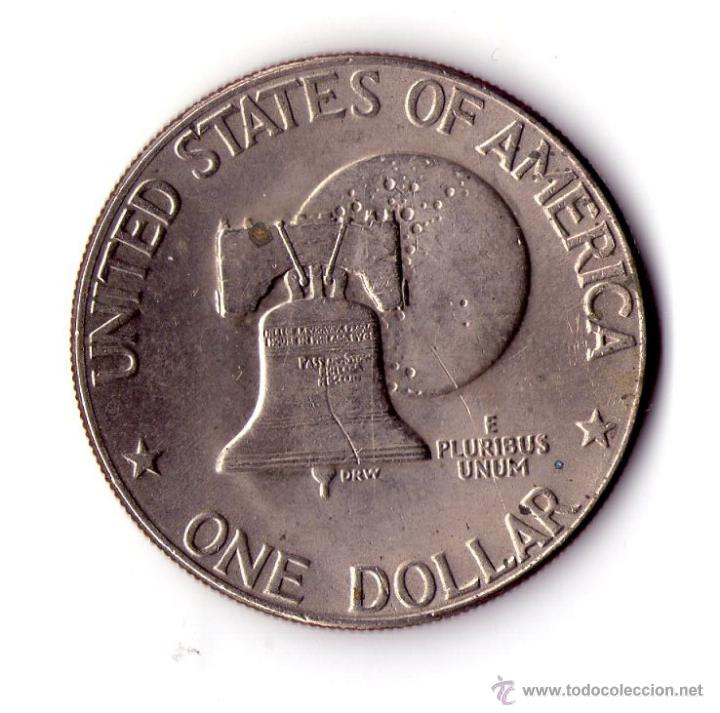
Another important aspect is knowing the mint mark. Coins minted in Philadelphia (no mint mark), Denver (D), and San Francisco (S) can have varying degrees of rarity depending on the year and type. While most circulated clad Eisenhower dollars are worth little more than a dollar, rare varieties and proof coins can fetch significantly higher prices. Research is your best friend. Use reputable online resources like the Professional Coin Grading Service (PCGS) or the Numismatic Guaranty Corporation (NGC) to learn more about grading, rarity, and current market values.
Finally, don't expect to get rich quick! Collecting and appreciating these coins should be a fun and engaging hobby. It’s about connecting with history and the artistry of coinage. If you happen to find a valuable specimen, that’s an added bonus. So, grab a magnifying glass, do your research, and enjoy the journey of discovery that numismatics offers. You might just unearth a hidden treasure!