
Mi Corazoncito In English
Ever heard a catchy tune and wondered what the singer was really saying? Or maybe you've seen a rom-com where the hero whispers sweet nothings in a foreign language, leaving you guessing? Let's dive into one of those phrases: "Mi Corazoncito."
At first glance, it might sound like some exotic dish on a fancy menu. Perhaps a tiny, heart-shaped pastry filled with guava paste? (Okay, now I'm hungry!). But "Mi Corazoncito" is actually a term of endearment in Spanish, and it's about as sweet as that imaginary pastry.
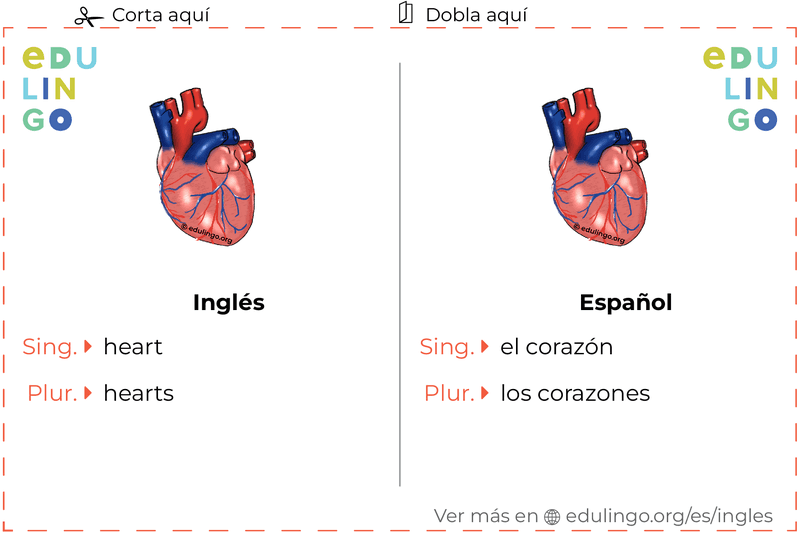
Literally? Little Heart!
Directly translated, "Mi Corazoncito" means "My Little Heart." Simple, right? But the magic lies in the subtext. It's not just about a physical organ; it's about affection, love, and a whole lot of cuteness.
Must Read
Think of it this way: You wouldn't call your gruff, six-foot-five Uncle Bob "My Little Heart," unless you were aiming for some serious comedic effect. "Mi Corazoncito" is reserved for those people who make your heart flutter – kids, romantic partners, even beloved pets. Imagine a grandma pinching her grandchild's cheek and saying, "¡Ay, mi corazoncito!" Pure warmth!
Beyond the Literal: A World of Emotion
The beauty of language is how words can carry so much more than their dictionary definitions. "Mi Corazoncito" is a prime example. It's a way of saying, "You are precious to me," "I cherish you," or even just a playful, "You're adorable!" It's the linguistic equivalent of a warm hug.

Of course, like any phrase, it can be used in different ways depending on the context. A worried parent might say it to a sick child, filled with concern. A smitten lover might whisper it during a romantic moment, overflowing with passion. And a mischievous friend might use it sarcastically after you've accidentally tripped and spilled coffee on yourself (although, hopefully, they'd also offer you a napkin!).
"Mi Corazoncito" in Pop Culture
You'll often hear "Mi Corazoncito" in Spanish-language films, songs, and telenovelas. It's a staple of romantic comedies and family dramas, adding a touch of heartfelt authenticity to the dialogue. Keep an ear out for it! You'll be surprised how often it pops up.

"Ayyy, mi corazoncito, te quiero mucho!"
This is a common expression of love and affection, perfect for conveying those warm fuzzy feelings. Think of it as the Spanish equivalent of "I love you, sweetie!"
Adding "Mi Corazoncito" to Your Life
Now, you might be thinking, "Can I use 'Mi Corazoncito'?" Absolutely! While it's traditionally used by Spanish speakers, language is all about borrowing and adapting. If you have a special someone in your life – a child, a partner, even a particularly adorable hamster – feel free to sprinkle in a little "Mi Corazoncito." Just be mindful of the context and your audience. Calling your boss "Mi Corazoncito" might not be the best career move!
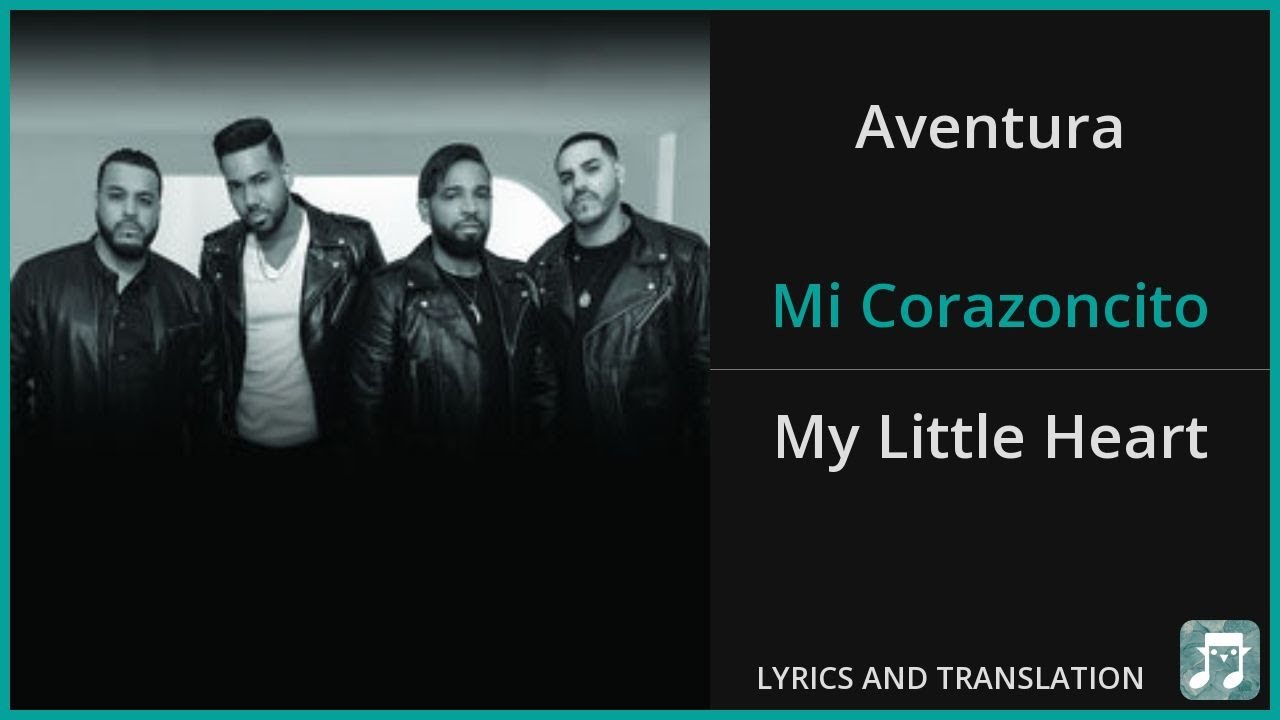
Ultimately, "Mi Corazoncito" is a reminder that language can be playful, expressive, and deeply personal. It's a small phrase that packs a big emotional punch. So, the next time you hear it, remember that it's not just about a little heart; it's about love, affection, and all the warm, fuzzy feelings that make life worth living.
And who knows, maybe you'll even start calling your pet goldfish "Mi Corazoncito." (Just don't blame me if it doesn't respond!).
