Map Of Extinct Volcanoes In Britain
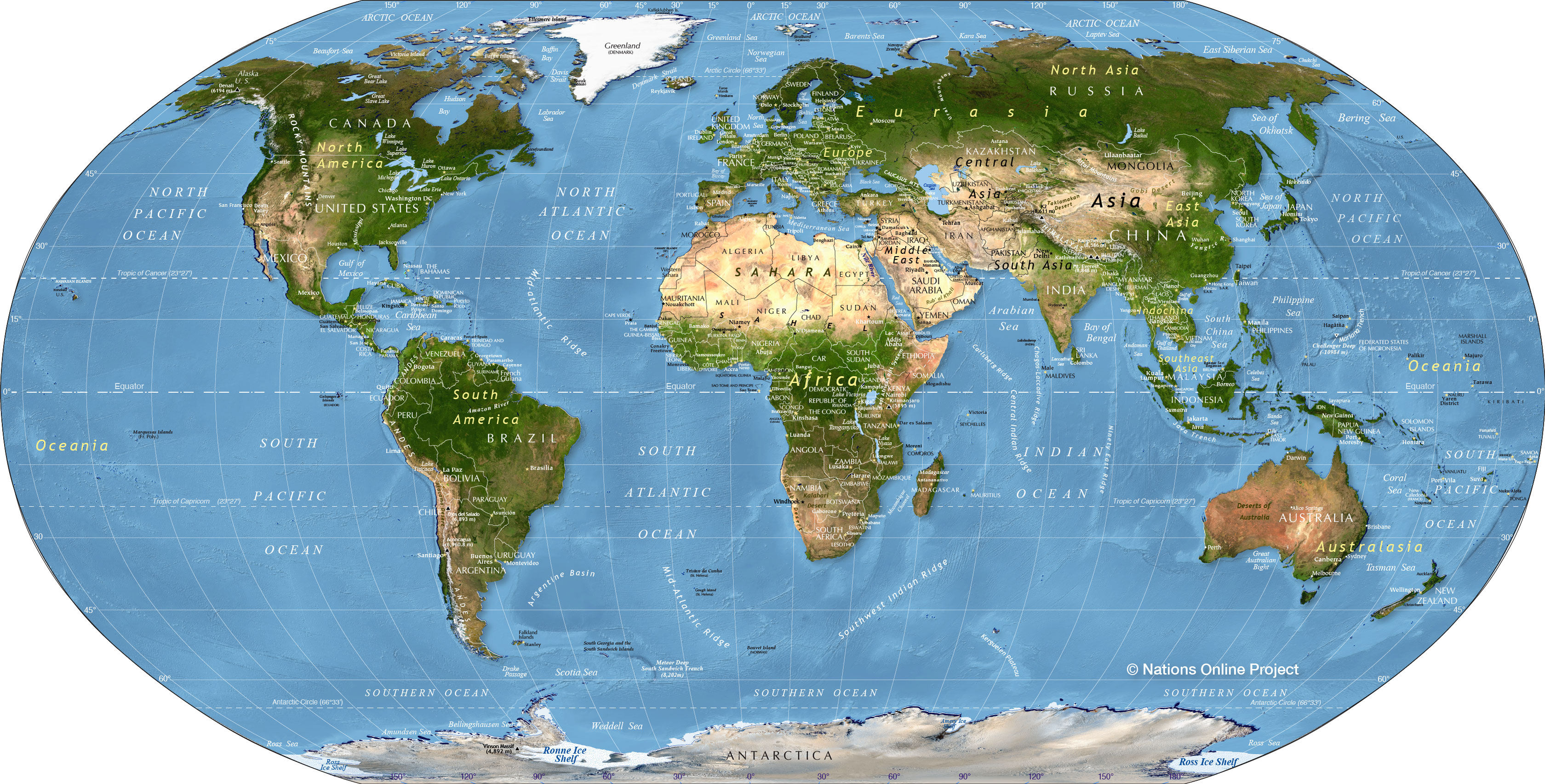
Ever looked at a rolling hill in Britain and wondered what stories it might hold? We're used to thinking of volcanoes as dramatic, fiery mountains like those in Italy or Iceland. But what if I told you that Britain has its own volcanic past, a past that's quietly shaped the very landscape we see today? That's where the idea of a map of extinct volcanoes in Britain becomes utterly fascinating! It's not just about geology; it's about understanding the deep history beneath our feet, a history that's surprisingly dynamic and impactful.
So, what exactly is a map of extinct volcanoes in Britain, and why should you care? Simply put, it's a resource that pinpoints the locations of volcanoes that were once active across the British Isles but are now dormant, eroded, and often barely recognisable. Its purpose is multi-fold. First, it provides a crucial historical and geological record, allowing scientists and enthusiasts to understand the tectonic forces that shaped Britain millions of years ago. Secondly, it helps us understand the types of volcanic activity that occurred here – were they explosive eruptions, slow lava flows, or something in between? Finally, and perhaps most intriguingly, it connects us to a past that feels almost unimaginable given Britain's current relatively stable geology.
The benefits of such a map extend far beyond academic circles. In education, it's a fantastic tool for bringing geology to life. Imagine a geography class where students research the volcanic origins of a local landmark. Suddenly, textbook knowledge transforms into tangible, relatable understanding. For example, Arthur's Seat in Edinburgh is the remains of an extinct volcano, and its distinct shape tells a story of fiery eruptions and subsequent erosion. A map can highlight these specific locations and link them to broader geological concepts.
Must Read
Even in daily life, awareness of Britain’s volcanic past can enrich our appreciation of the landscape. Those unusual rock formations you see on a hike? They might be the solidified remains of ancient lava flows. The fertile soil in certain regions? Often a result of volcanic ash deposited long ago. Understanding the geological underpinnings adds a new dimension to our everyday experiences. It’s a conversation starter, a way to connect with the land on a deeper level.

Exploring this volcanic past is easier than you might think. Start with readily available online resources, many of which offer interactive maps and detailed explanations. Geological surveys and museums often have exhibits and publications focusing on local volcanic history. Don't be afraid to get outdoors! Look for distinctive rock formations, valleys that might have been carved by lava flows, or areas with particularly dark, rich soil. Many former volcanic sites are now protected areas, offering trails and information panels for visitors. Even simply searching online for "extinct volcano walks near me" can reveal hidden geological gems.
Ultimately, a map of extinct volcanoes in Britain is more than just a list of locations. It's a portal to a forgotten world, a reminder that even seemingly stable landscapes have a history of dramatic change. So next time you’re out exploring, take a moment to consider the fiery past beneath your feet. You might be surprised by what you discover.