
Male Female Parakeet Gender Chart
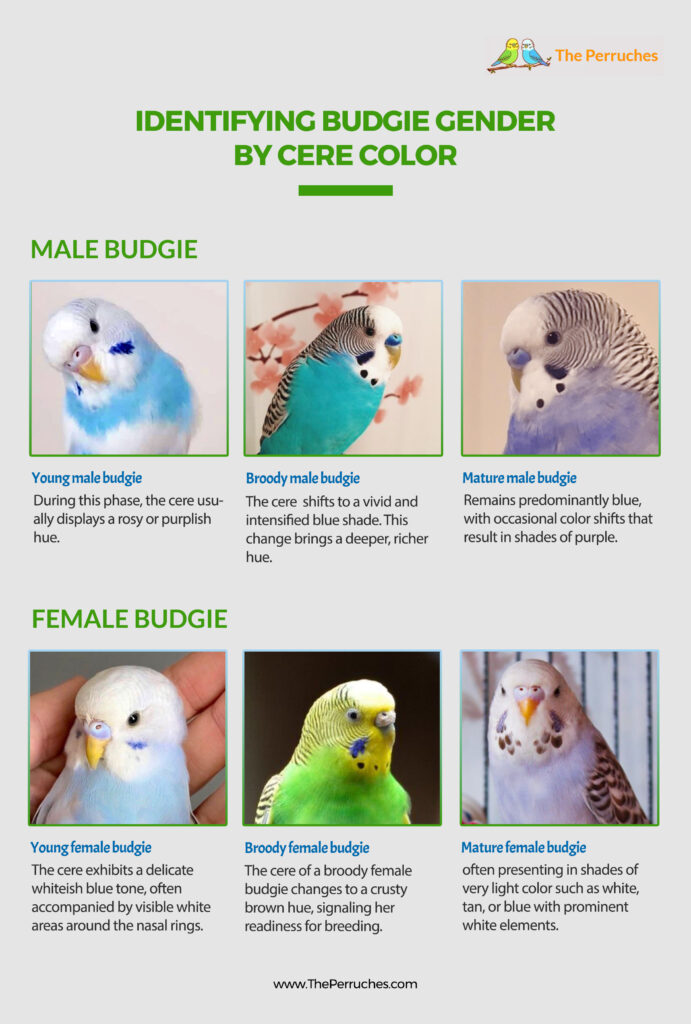
Okay, so picture this: I'm staring intently into a birdcage, squinting like I'm deciphering ancient hieroglyphics. My feathered friend, a vibrant little parakeet I'd affectionately (and possibly prematurely) named "Princess," was perched on a swing, looking back at me with the same level of suspicion I usually reserve for telemarketers. Why all the drama? Because I was on a mission: to figure out if "Princess" was, in fact, a princess or, perhaps, a Prince Charming in disguise. We've all been there, right?
The quest for parakeet gender identification can feel like cracking a secret code. But fear not, fellow bird enthusiasts! While DNA testing might be the absolute definitive answer (and honestly, who has time for that?), there's a much simpler, more budget-friendly, and less invasive method at your disposal: observing the cere. Yep, we're talking about that little patch of skin right above your parakeet's beak. It’s the key to the kingdom, people!
Understanding the Cere: Your Gender Decoder Ring
The cere is where all the magic happens. Or, at least, where the gender reveal happens. The color of the cere, particularly in adult parakeets, is a pretty reliable indicator of their sex. Think of it as their own little built-in gender chart. Ready to become a parakeet sexing pro?
Must Read
Let's break it down. This is where a male/female parakeet gender chart becomes your best friend.
The Male Cere: Shades of Blue (and sometimes other colors too!)
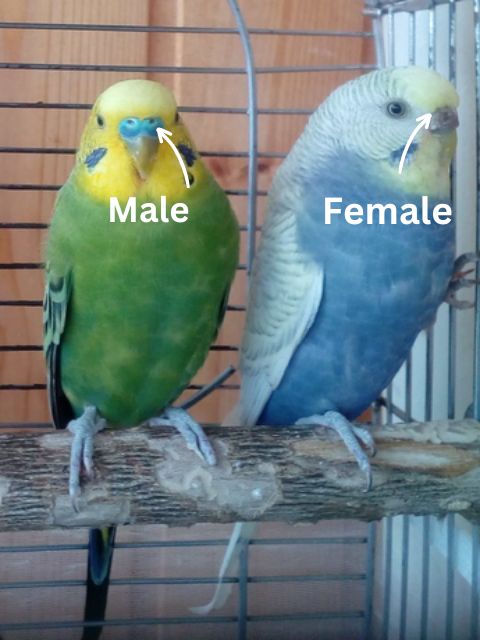
Generally speaking, a mature male parakeet will have a cere that's a bright, vibrant blue. Think sky blue, royal blue, maybe even a slightly purplish blue. However, hold up, before you jump to conclusions, there are exceptions! Certain mutations (like, say, the recessive pied mutation) can throw a wrench into the works. In these cases, males might have a cere that's pink, purple, or even a patchy blue and pink. So, always consider the whole picture! We're playing detective here, folks.

Think of it this way: a solid, relatively uniform blue cere is your strongest indication of a male. If it’s mottled or inconsistent, you may want to consider other factors. More on that later!
The Female Cere: Tan, Brown, or Crusty
For female parakeets, the cere tends to be tan, brown, or even a crusty, brownish color. During breeding season, the cere of a female parakeet can become quite prominent and, yes, crusty. (Sorry for the unglamorous description, but accuracy is key!). This is a sign that she's ready to lay eggs, so be prepared for potential tiny, feathered additions to your household!
Sometimes, a female's cere might be a very pale blue or white, especially when she's younger. But a true, vibrant, consistent blue is almost always a sign of a male.
Young Parakeets: The Plot Thickens
Now, here's where things get a little trickier. Identifying the sex of young parakeets (also known as fledglings) can be a bit more challenging. The cere colors aren't always as distinct or fully developed as they are in adults.
Typically, young male parakeets will have a pink or purplish cere that gradually turns blue as they mature. Young females will often have a white or pale blue cere around the nostrils, often described as a "white or light blue cere with white rings around the nostrils." Think of it like they're saying, "I'm thinking about being a lady parakeet!"

Beyond the Cere: Other Clues (But Not Definitive!)
While the cere is the most reliable indicator, there are a few other things you can look for, although they are far less accurate on their own:
- Behavior: Some people believe males are generally more talkative and active. However, personality varies from bird to bird, just like with humans!
- Head Shape: There’s an old wives’ tale about head shape, but honestly, I wouldn't put too much stock in that one.
Ultimately, the cere is your best bet. But if you're still unsure, consult with an avian veterinarian. They can perform a DNA test for a definitive answer. (And finally put an end to your parakeet gender identity crisis!).
So, did I ever figure out if "Princess" was a prince or princess? Well, after weeks of careful observation and consulting every parakeet gender chart I could find, I finally concluded... that I still wasn't entirely sure. Turns out, "Princess" was a bit of a gender chameleon! But hey, that's part of the fun of owning a parakeet, right? Embrace the mystery!
