Make 3d Printer With 3d Printer
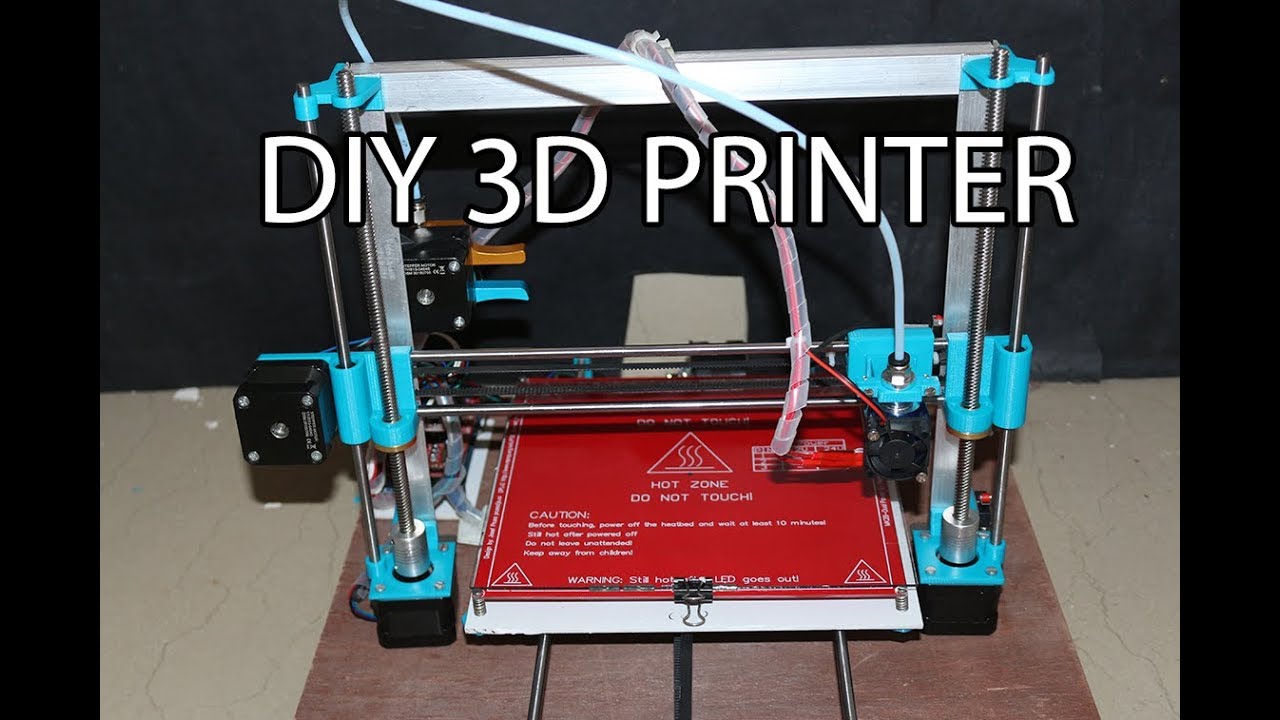
Ever gazed at your 3D printer churning out a new gadget and thought, "What if... it could make another one of itself?" It sounds like something out of science fiction, doesn't it? Yet, the fascinating world of 3D printing has made this a very real, and incredibly satisfying, pursuit. We're talking about the art of making a 3D printer with a 3D printer, and it’s a journey that’s as educational as it is genuinely cool.
Why is this such a buzz? Well, it taps into that primal human desire to understand how things work and, even better, to build them from the ground up. It’s like a meta-hobby, where your current hobby machine helps you create the tools for future projects. The core purpose here is often about self-replication and democratizing access to this amazing technology. By printing many of the structural components for a new printer, you can significantly reduce costs, making 3D printing more accessible to everyone. Beyond saving a few bucks, it offers an unparalleled opportunity for deep learning about mechanical engineering, electronics, and software, all while customizing your new machine precisely to your needs. Imagine having a printer optimized for flexible filaments because you designed and built that aspect yourself!
The applications for this kind of self-sufficient creation are incredibly diverse. In education, it’s a dream come true for STEM classrooms and maker spaces. Students don't just learn about 3D printers; they learn to build them. This hands-on experience in assembling, calibrating, and troubleshooting a complex piece of machinery fosters critical thinking, problem-solving skills, and a true sense of accomplishment. They can see the direct impact of their design choices. In daily life, for hobbyists and tinkerers, this means you can upgrade, modify, or even repair existing printers by fabricating replacement parts. Ever heard of the RepRap project? It's a foundational movement built on this very principle – creating open-source 3D printers that can print most of their own components, essentially striving for universal self-replication.
Must Read
Ready to dip your toes into this wonderfully recursive world? Start by exploring the vast open-source communities online. Websites like Prusa Research, E3D, and the RepRap Wiki are treasure troves of information, designs, and build guides. You don't have to build an entire new machine right away. A simple, practical tip is to begin by printing upgrade parts for your existing 3D printer. Want better cooling? Print a new fan duct. Need a more stable print bed? Print new brackets. This eases you into understanding the structural elements and tolerances required. Gradually, as your confidence grows and your parts collection expands, you might find yourself assembling a new machine from the ground up. It’s a journey of discovery, creation, and ultimately, empowerment, proving that sometimes, the best tool for the job is the one you print yourself.