Los 10 Mandamientos En Orden Reina Valera 1960

Ever wondered about the foundation of many of our moral and legal principles? A great place to start exploring is with the Ten Commandments. You might think of them as ancient rules, but they're actually surprisingly relevant to how we live our lives today. Thinking about them isn't about religion per se; it's about understanding a cornerstone of Western thought and ethics. We'll be looking at them as presented in the Reina Valera 1960 version, a widely read Spanish translation of the Bible.
So, what are these commandments, and why should we even care? The Ten Commandments, in essence, provide a framework for a just and harmonious society. They outline our responsibilities to a higher power, if you believe, and to each other. The purpose isn't to restrict our freedom but rather to provide guidance, preventing actions that could harm ourselves or others. Think of it as a basic "do's and don'ts" for a healthy community. The benefits are clear: a society rooted in respect, honesty, and consideration.
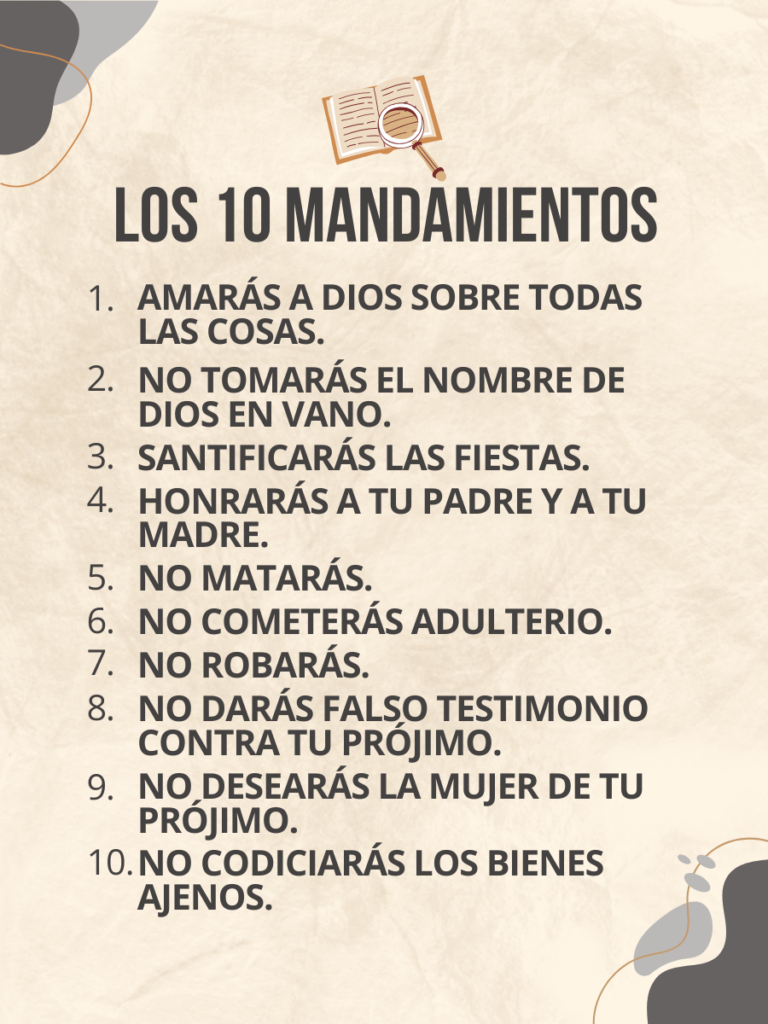
Here's a look at the Ten Commandments in order, based on the Reina Valera 1960:
Must Read
- "No tendrás dioses ajenos delante de mí." (You shall have no other gods before Me.)
- "No te harás imagen, ni ninguna semejanza de lo que esté arriba en el cielo, ni abajo en la tierra, ni en las aguas debajo de la tierra." (You shall not make for yourself an image in the form of anything in heaven above or on the earth beneath or in the waters below.)
- "No tomarás el nombre de Jehová tu Dios en vano." (You shall not misuse the name of the Lord your God.)
- "Acuérdate del día de reposo para santificarlo." (Remember the Sabbath day by keeping it holy.)
- "Honra a tu padre y a tu madre." (Honor your father and your mother.)
- "No matarás." (You shall not murder.)
- "No cometerás adulterio." (You shall not commit adultery.)
- "No hurtarás." (You shall not steal.)
- "No darás falso testimonio contra tu prójimo." (You shall not give false testimony against your neighbor.)
- "No codiciarás la casa de tu prójimo, no codiciarás la mujer de tu prójimo, ni su siervo, ni su criada, ni su buey, ni su asno, ni cosa alguna de tu prójimo." (You shall not covet your neighbor’s house. You shall not covet your neighbor’s wife, or his male or female servant, his ox or donkey, or anything that belongs to your neighbor.)
How might these commandments be used in education or daily life? In history or social studies, they offer a valuable window into ancient cultures and the development of moral codes. In ethics classes, they can spark discussions about right and wrong. But even outside of a formal setting, they can encourage self-reflection. For example, reflecting on "No darás falso testimonio" (You shall not give false testimony) can prompt us to be more mindful of the words we speak and the impact they have on others. Similarly, "No codiciarás" (You shall not covet) encourages contentment and gratitude for what we already have.
Want to explore them further? Start by simply reading each commandment and thinking about how it relates to your own life and the world around you. Consider discussing them with friends or family, exploring different interpretations and perspectives. You could even find modern-day stories or news articles that illustrate the principles behind each commandment. There are many online resources that offer commentaries and explanations, too. Don't feel pressured to agree with everything; the goal is to engage critically and thoughtfully with these influential principles and consider their lasting impact on society. Think of it as a philosophical exercise, regardless of your personal beliefs. The important thing is to explore, question, and learn.