Long-term Effects Of Si Joint Fusion

Let's face it, back pain isn't exactly a party. But when that pain radiates from your lower back and feels like it's messing with your hips, groin, or even your legs, it might be coming from the sacroiliac (SI) joint. And that's where things get interesting (well, as interesting as back pain can get!). SI joint fusion is a surgical procedure designed to tackle this specific type of pain, and understanding its long-term effects is key to making informed decisions about your health. Think of it as getting the inside scoop on a potential solution – knowledge is power, and all that jazz!
So, what exactly is SI joint fusion? Simply put, it's a procedure that stabilizes the SI joint, which is the joint connecting your spine to your pelvis. Imagine it like this: your SI joint is a hinge. When that hinge is wobbly or inflamed, it can cause significant pain. Fusion essentially welds that hinge together, preventing movement and, ideally, reducing the pain. The purpose of SI joint fusion is to alleviate chronic lower back and leg pain stemming from SI joint dysfunction. It's not a magic bullet for all back pain, but when the SI joint is the culprit, fusion can be a game-changer.
The benefits are pretty straightforward: reduced pain, improved mobility, and a better quality of life. Imagine being able to walk, stand, and sit without that constant ache. That's the potential of SI joint fusion. Many people experience significant pain relief after the procedure, allowing them to return to activities they previously had to avoid. This can mean getting back to hobbies, exercising, and simply enjoying everyday life without the burden of chronic pain.
Must Read
Now, let's talk long-term. What can you expect down the road after SI joint fusion? Most studies show positive long-term outcomes for many patients. This includes sustained pain reduction and improved function. However, it's crucial to remember that no surgery is without potential risks and complications. One long-term consideration is the possibility of adjacent segment degeneration. This means that the joints above or below the fused SI joint may experience increased stress and potentially develop problems over time. Think of it like building a dam – the pressure has to go somewhere!
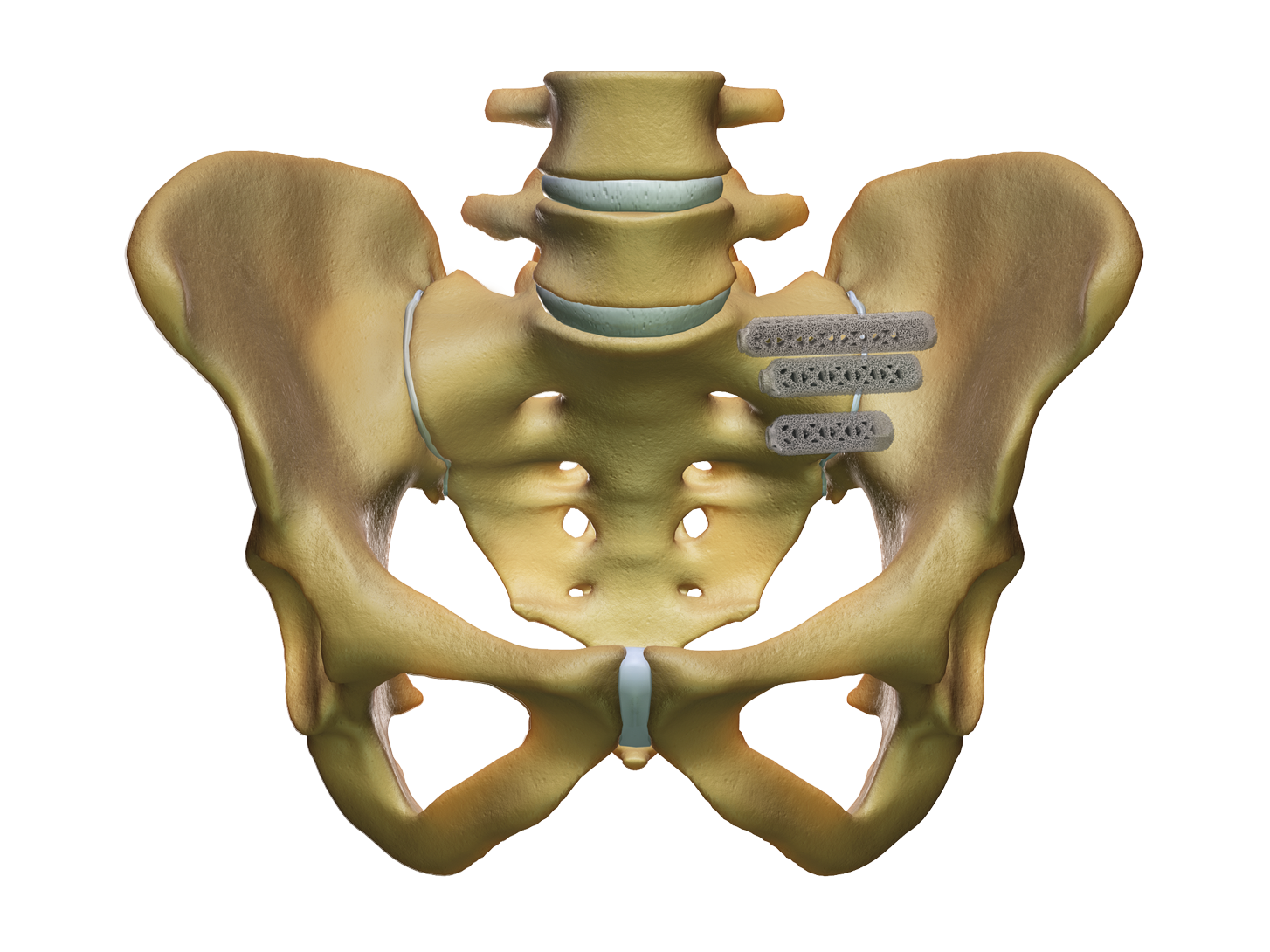
Other potential long-term effects can include continued stiffness in the lower back, although this is often manageable with physical therapy and exercise. It's also important to maintain a healthy weight and lifestyle to minimize stress on the spine. Choosing a skilled and experienced surgeon is paramount to minimizing risks and maximizing the chances of a successful outcome. They can properly assess your condition, determine if SI joint fusion is the right option for you, and perform the procedure with precision.
Ultimately, the long-term effects of SI joint fusion are highly individual. While many people experience significant and lasting relief, it's important to have realistic expectations and understand the potential risks and benefits. Open communication with your doctor, a commitment to post-operative rehabilitation, and a proactive approach to your overall health are key to maximizing the positive outcomes and enjoying a future with less pain and more mobility.