
Long Term Effects Of Deepwater Horizon Oil Spill
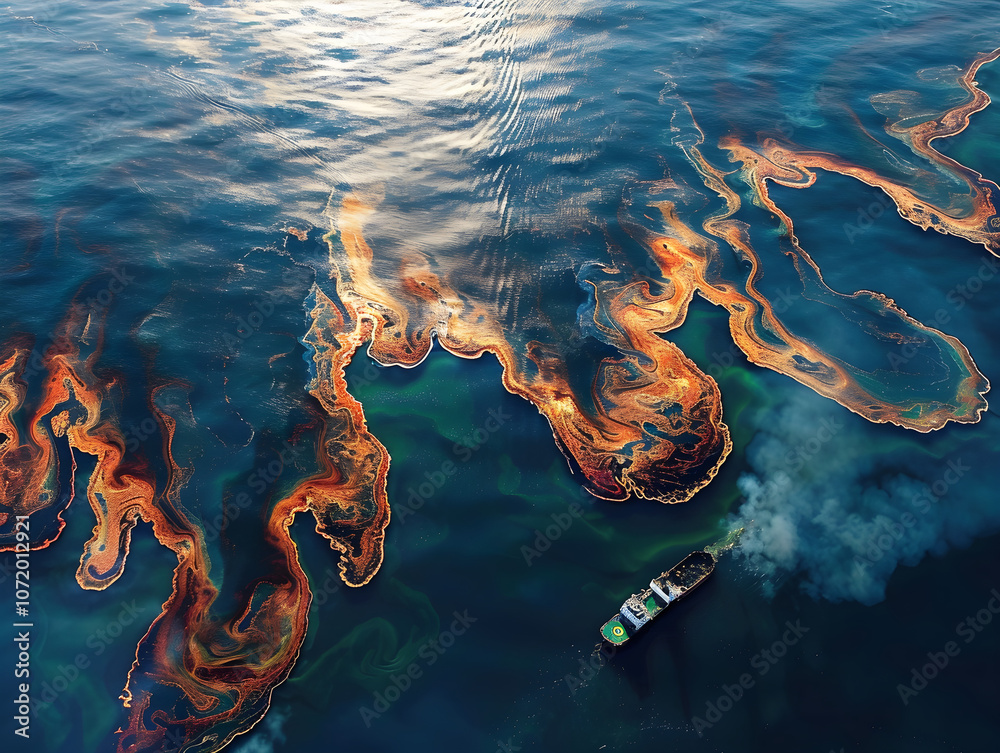
Remember that time in 2010 when the Gulf of Mexico suddenly resembled a giant, oily bathtub? That was the Deepwater Horizon oil spill, and while the initial mess was awful, the story doesn't end there.
We're diving into the long-term effects, because what happens after the cameras leave is often the most important part.
The Uninvited Guest That Stayed Too Long
Imagine someone spills a gallon of glitter at your house. Now, imagine that glitter is toxic, invisible, and gets everywhere. That's kind of what happened with the oil.
Must Read
It's been over a decade, but its impact is still felt, like a lingering, unpleasant houseguest.
Seafood Blues: Not Just a Sad Song
Let's talk seafood. The Gulf provides a huge chunk of America's shrimp, oysters, and fish.
Suddenly, imagine biting into a delicious grilled shrimp only to taste...well, oil. No thanks!
Some studies show lingering contamination in seafood, impacting fishing industries and the delicate ecosystem.
Oysters, being filter feeders, were hit particularly hard. Imagine these little guys trying to clean the ocean, but all they're getting is oily gunk!
It’s not just about taste; it's about livelihoods and the health of marine life that can last years or decades!
The Coral's Grim Vacation
Deep-sea corals, the beautiful, slow-growing cities of the ocean floor, didn't escape the oily invasion.
Think of them as the ancient redwoods of the sea, except much more vulnerable to sudden pollution. Oil smothered entire colonies, leading to long-term damage and slow recovery, if any.
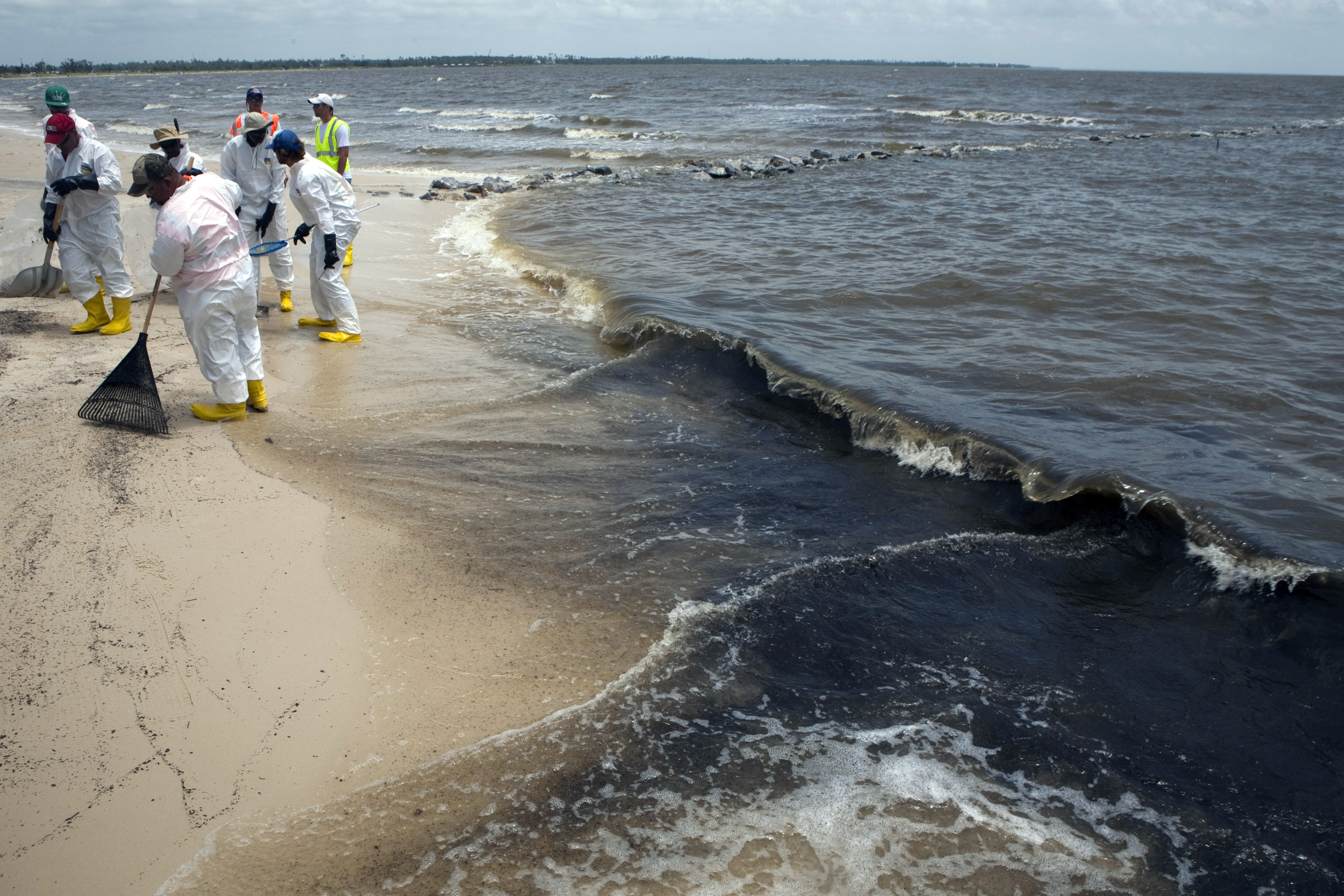
These corals provide habitats for countless creatures, so damaging them is like bulldozing an entire apartment complex filled with tiny fishy tenants!
Invisible Impacts, Very Real Problems
It's not just what you can see on the surface. The oil also messed with the very foundation of the food chain, like tiny oily dominoes.
Microscopic plankton, the base of the ocean’s food web, absorbed oil.
Then, little fish ate the plankton, bigger fish ate the little fish, and so on, all the way up to the dolphins and tuna. Oil in every meal!
These disruptions can lead to population declines and alter the entire ecosystem structure.
The "Cleanup" Conundrum: Did It Really Work?
After the spill, a massive cleanup effort ensued. Imagine trying to mop up a huge oil slick with a really big sponge and hope for the best.
But some of the cleanup methods themselves had unintended consequences. Dispersants, chemicals used to break up the oil, might have helped on the surface.
But they pushed the oil deeper into the water column, potentially making things worse for deep-sea creatures and making the oil harder to naturally degrade.
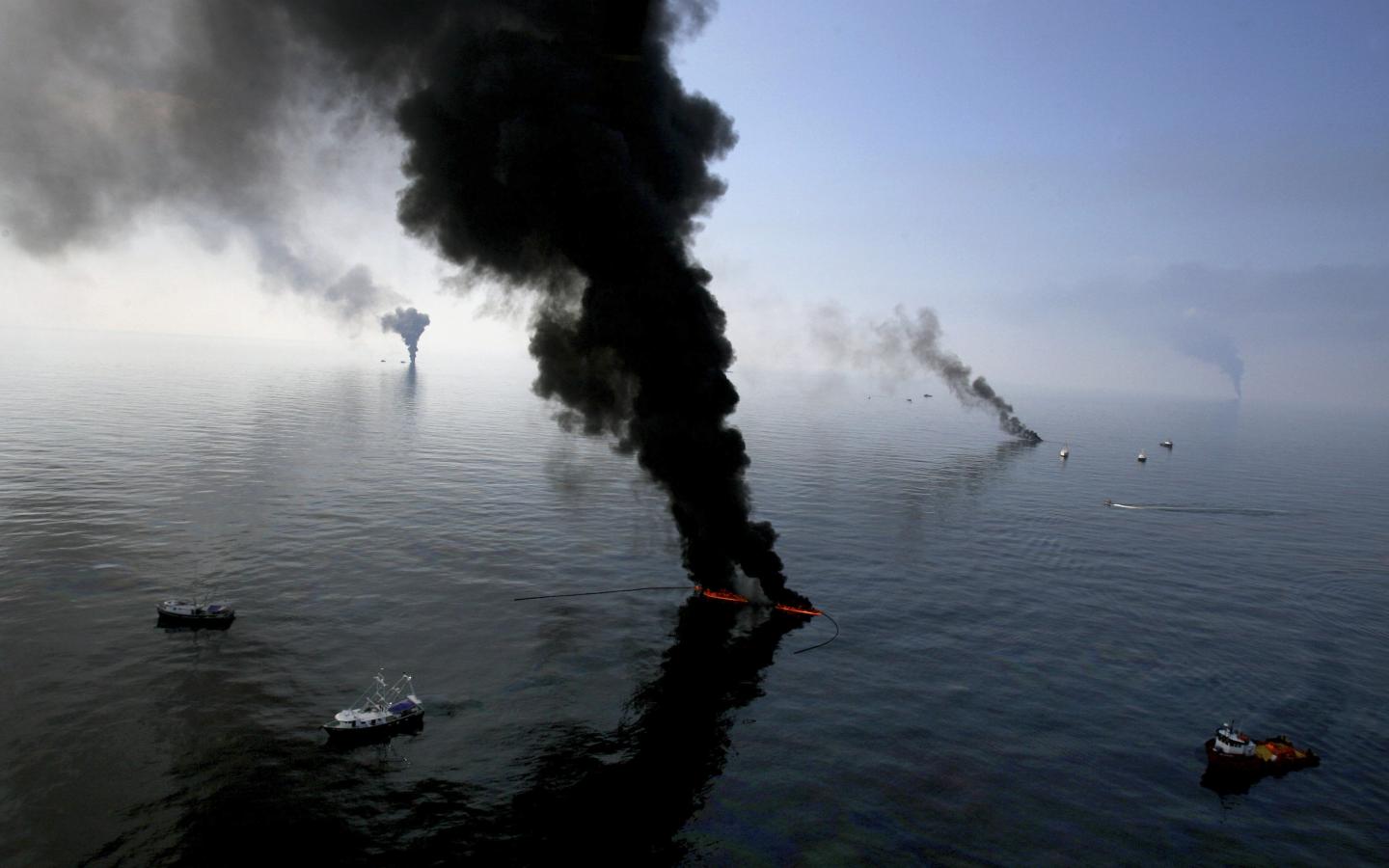
It’s like trying to hide dirt under the rug – eventually, it'll resurface!
Dolphin Distress: More Than Just a Flipper Wave
Dolphins, those charming, intelligent creatures, suffered long-term health problems. Think of them as the canaries in the coal mine, but for ocean pollution.
Studies showed increased rates of lung disease, reproductive problems, and even death in dolphin populations exposed to the oil.
These effects can ripple through generations, impacting their ability to thrive and reproduce.
The Marsh Mess: Wetlands Under Siege
Coastal marshes, those vital nurseries for marine life and natural buffers against storms, also took a beating.
Oil suffocated the plants, eroded the soil, and disrupted the delicate balance of these ecosystems.
It's like pouring cement on a flower garden; it just won't thrive afterwards. These marshes can take decades to recover, if ever.
The Human Cost: Beyond the Beaches
The oil spill wasn't just an environmental disaster; it was a human one too.
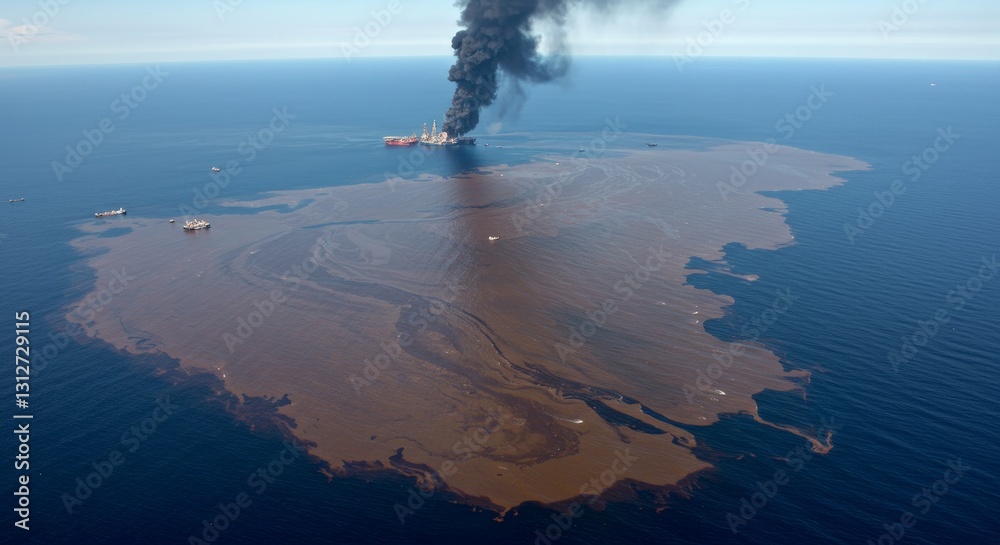
The fishing industry was devastated, leaving many families without their livelihoods.
Imagine spending your whole life fishing and then suddenly having nothing to catch, or nobody wants to buy them. A huge economic blow!
Many cleanup workers experienced health problems from exposure to oil and chemicals, including respiratory issues and skin conditions.
It’s a reminder that environmental disasters have real, tangible consequences for the people who live and work in the affected areas.
The Ripple Effect: From Fish to Families
The spill impacted not just the immediate coastline, but also the communities that depend on it.
Tourism declined, businesses struggled, and the overall quality of life for many residents was affected.
Think of a small coastal town that lives and breathes the ocean. An oil spill is like a punch to the gut, leaving lasting scars.
The Future: Can We Learn From This Oily Lesson?
The Deepwater Horizon disaster was a harsh reminder of the risks associated with offshore drilling and the importance of environmental protection.
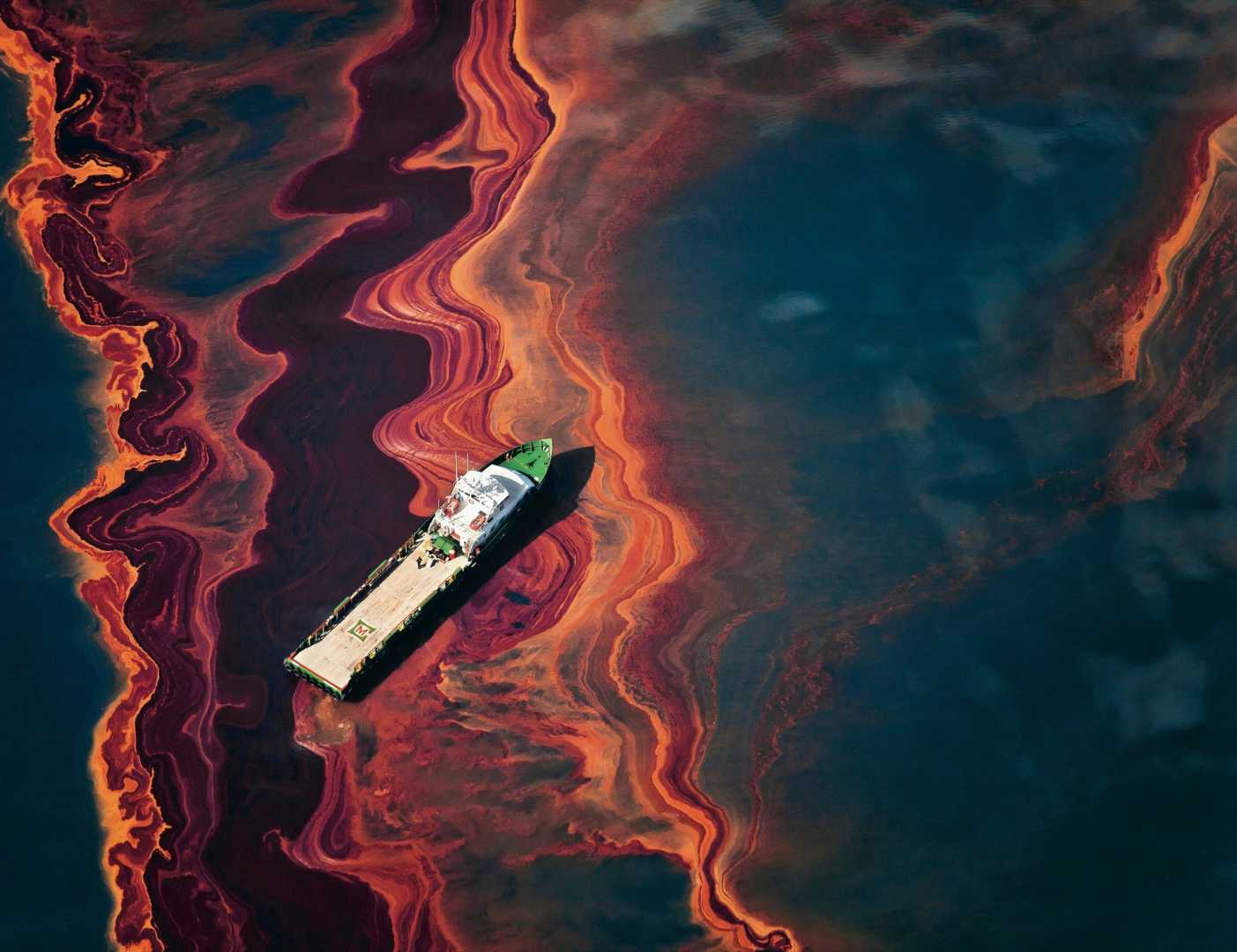
We need stronger regulations, better safety measures, and a greater commitment to preventing future spills.
It is like installing better brakes on a car. It's a must.
Investing in renewable energy sources is another crucial step. The less we rely on fossil fuels, the less risk we take of repeating this environmental nightmare.
It's about learning from our mistakes and creating a more sustainable future for ourselves and the generations to come.
We should be stewards of the earth, not its reckless tenants. The ocean is depending on us.
Ultimately, the long-term effects of the Deepwater Horizon oil spill serve as a powerful cautionary tale.
It's a reminder that our actions have consequences, and that protecting our environment is not just an option, but a necessity.
We need to work together to ensure that such a disaster never happens again, and that the Gulf of Mexico can heal and thrive for years to come.
Let's make sure our legacy to the ocean isn't a greasy one.