Listening Barrier In Business Communication

Ever felt like you're talking to a brick wall? Or maybe you've been the brick wall, nodding along but not truly absorbing a word? That, my friends, is often the work of a listening barrier, and understanding it can drastically improve your life, especially in the business world. Think of it as unlocking a superpower – the power to truly hear and be heard.
So, why is this relevant, and perhaps even a little fun? Because good communication is the bedrock of, well, pretty much everything! From landing that dream job to closing a million-dollar deal, to simply having a productive team meeting, the ability to actively listen is paramount. Ignoring listening barriers is like trying to build a skyscraper on a shaky foundation – eventually, something's going to crumble.
The purpose of understanding listening barriers is simple: to identify and overcome the obstacles that prevent us from fully grasping what others are saying. Its benefits are huge. Imagine reducing misunderstandings, fostering stronger relationships with colleagues, and making more informed decisions. It's about moving beyond simply hearing sounds to actually understanding the message, the intent, and the emotions behind the words.
Must Read
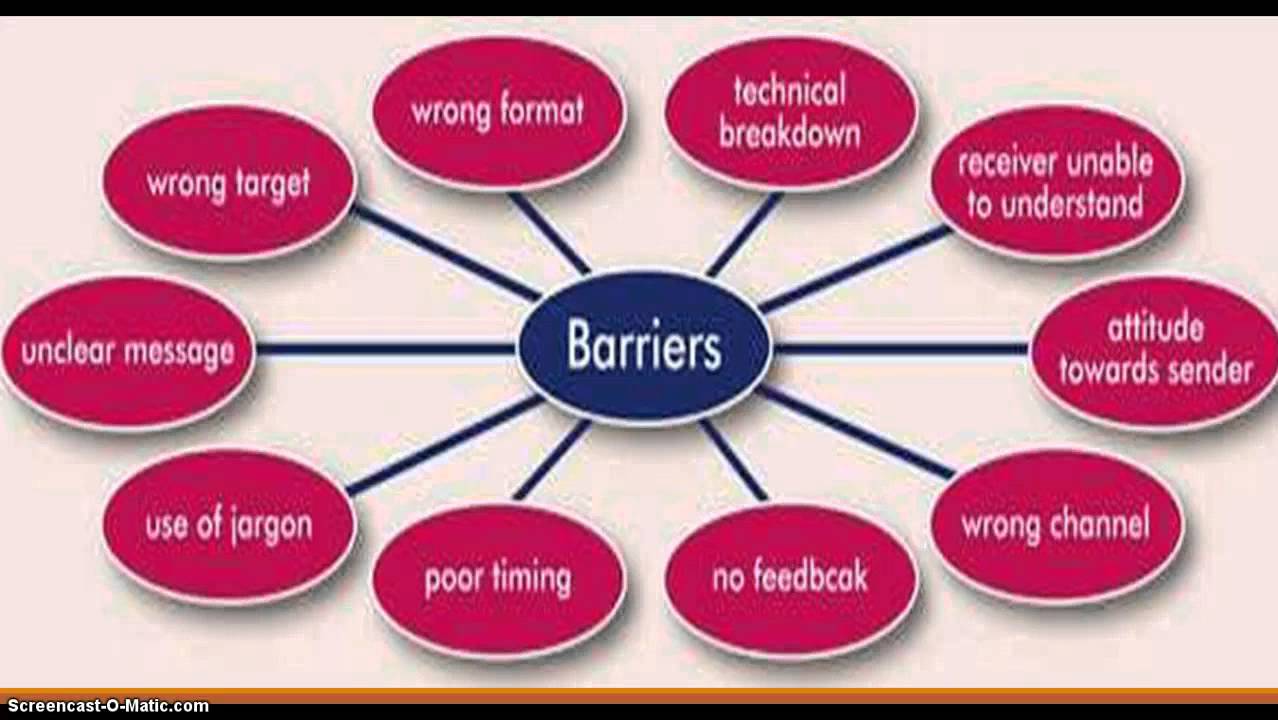
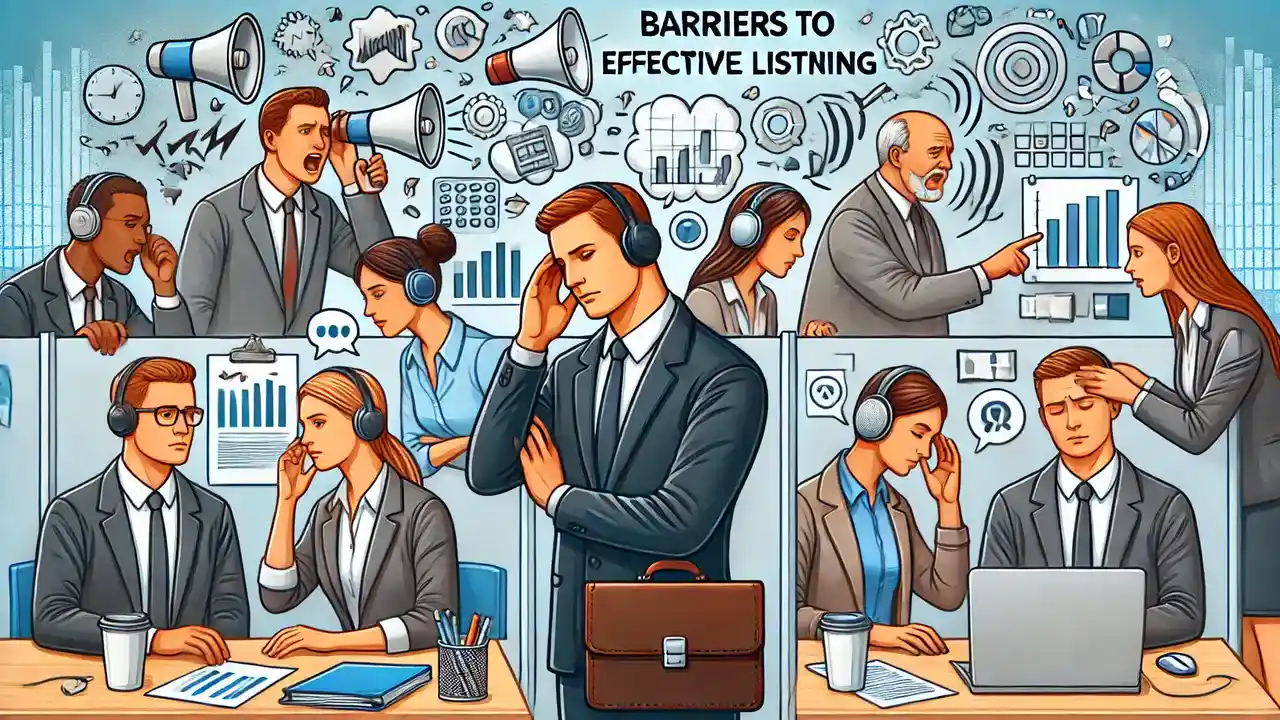
Let's look at some examples. In a classroom, a student preoccupied with an upcoming exam might completely miss the professor's explanation of a crucial concept. This is a psychological barrier. In daily life, imagine your partner complaining about a problem at work. If you're already thinking about what you're going to make for dinner, you might offer a generic "that's rough," missing the opportunity to provide genuine support. That's selective listening in action. In a business setting, a team leader who is constantly interrupting their team members or is visibly dismissive during presentations is creating a communication barrier that stifles innovation and reduces engagement. Other common barriers include preconceived notions, cultural differences, physical distractions (like a noisy office), and even just plain old fatigue.

So, how can we become better listeners and dismantle these barriers? Here are a few practical tips to get you started:
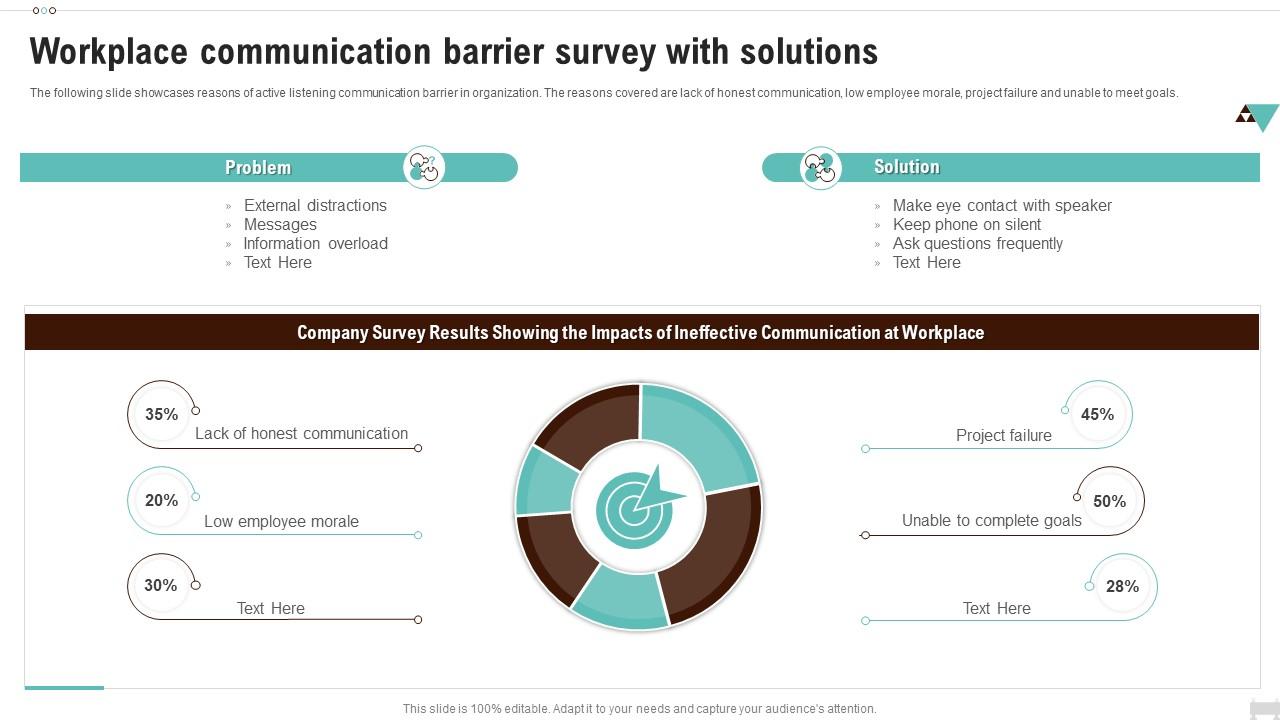
- Practice active listening techniques: Pay attention to body language, ask clarifying questions, and summarize what you've heard to ensure understanding.
- Be mindful of your own biases: Recognize that your own experiences and beliefs can influence how you interpret information. Try to approach conversations with an open mind.
- Create a conducive environment: Minimize distractions by finding a quiet space for important conversations.
- Give the speaker your full attention: Put down your phone, make eye contact, and avoid interrupting.
- Empathize with the speaker: Try to understand their perspective and emotions.
Exploring listening barriers is an ongoing journey, not a destination. Try a little experiment: in your next conversation, consciously focus on actively listening. Notice how it changes the interaction. You might be surprised at what you discover! Remember, effective communication is a two-way street, and good listening is half the battle. Start breaking down those barriers, one conversation at a time.