
List Of Supervisory Alarm On Fire Panel

You know that loud, urgent, unmistakable blare of a fire alarm, right? The one that sends a little jolt through your stomach and has everyone looking for the nearest exit. That’s the big one, the headline news, the "FIRE!" warning. But what if I told you that your building's fire safety system has a whole other language? A collection of quieter, more subtle whispers that are just as crucial, if not more so, for keeping everyone safe?
Welcome to the fascinating (and surprisingly friendly!) world of supervisory alarms on a fire panel. Think of the fire panel itself as the super-smart brain of your building’s safety system. It's constantly monitoring everything, from smoke detectors to sprinkler systems. And while the loud alarm is its way of shouting, supervisory alarms are its way of sending you a very important text message: "Psst, hey, something needs a look. Not an emergency yet, but let's not wait for it to be one!"
The Building's Little Nudges and Winks
These alarms aren't designed to make you evacuate. Instead, they’re like the building's own little early warning system, telling the maintenance crew or building manager that a specific part of the fire protection system isn't quite at peak performance. It's about catching potential problems before they become actual emergencies. It’s like your car’s "check engine" light, but for fire safety – you don’t pull over immediately, but you know you need to get it checked out soon.
Must Read
Let’s dive into a few common examples and see why these "whispers" are so important:
1. Sprinkler System Valve Tamper
Imagine you’re about to take a nice hot shower, you turn the knob, and... nothing. You find out your mischievous younger sibling (or a super forgetful housemate) decided to turn off the main water valve to the house "just for a second" and forgot to turn it back on. Annoying, right? Now imagine that happening with your building's sprinkler system!
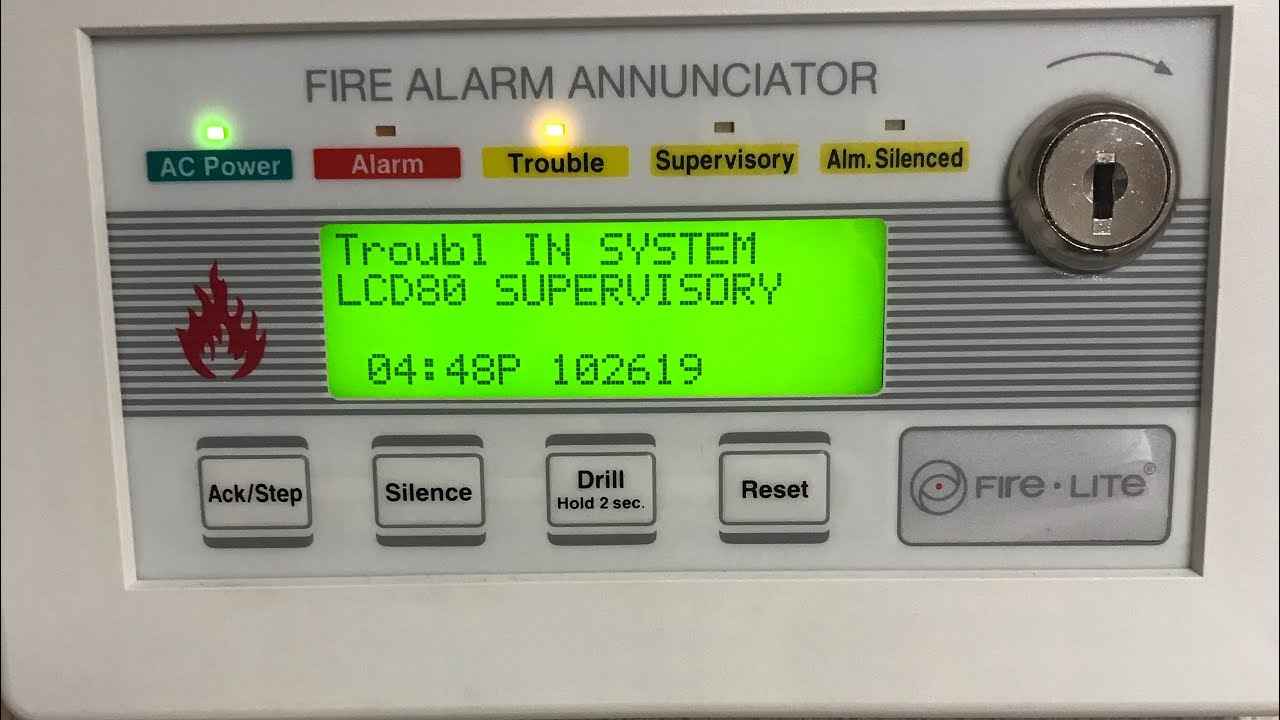
A Sprinkler System Valve Tamper alarm means someone might have closed a critical valve that controls the water flow to the sprinklers. If a fire breaks out and that valve is closed, those sprinklers won't work. The supervisory alarm is like the system shouting, "Hey! My water supply is off! I can't do my job if you don't turn it back on!" It's a lifesaver, ensuring the sprinklers are always ready for action.
2. Fire Pump Trouble
Think of the fire pump as the building's super-strong heart, pushing water through the sprinkler pipes with immense force. If this pump isn't working perfectly, the whole system might not have enough "oomph" to fight a serious fire. A Fire Pump Trouble alarm could mean anything from low oil pressure to an electrical issue.
It’s like your car’s oil light flickering. The car is still driving, but you know something’s amiss, and continuing to drive without addressing it could lead to a much bigger, more expensive problem down the road (or, in this case, a critical failure during an emergency). This alarm ensures the pump gets a quick check-up.
3. Low Air Pressure (for Dry Sprinkler Systems)
Some sprinkler systems (often in places that get really cold, like unheated warehouses) use compressed air in the pipes instead of water. Water only enters when a sprinkler head activates. This is called a "dry pipe" system. If the air pressure drops too low, it could mean there’s a leak, or the system isn’t ready to hold back the water effectively.
Picture your bike tire slowly losing air. It's not flat yet, but you know it’s heading there, and riding on it too long isn't a great idea. The Low Air Pressure alarm is telling the building, "My 'tire' is getting soft; please inflate me before I can't hold up anymore!"
4. System Disconnect or Communications Trouble
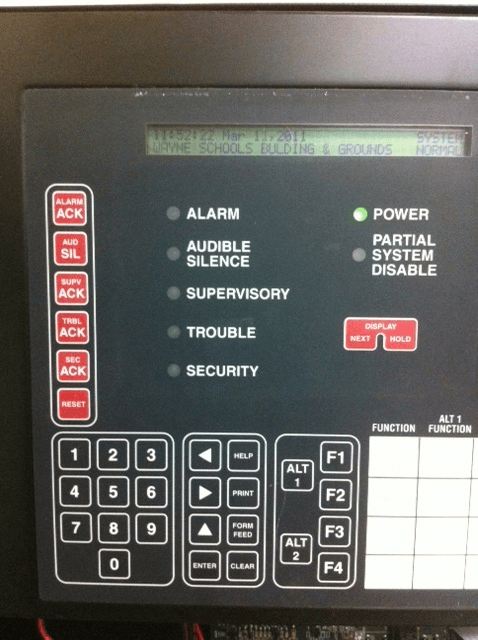
In our connected world, we all know the frustration of "no signal" or a blinking Wi-Fi router. A System Disconnect or Communications Trouble alarm on a fire panel is similar. It means a part of the fire alarm network, or perhaps its connection to an off-site monitoring station, isn't communicating properly.
It’s like your smartphone suddenly deciding to stop sending texts. You might still be able to make calls, but a crucial function is down. This alarm tells building staff, "Hey, I can't talk to my friends (or the fire department)! Can you check my signal?" ensuring all parts of the safety network are chatting away happily.
5. Panel Battery Low or AC Power Fail
Fire panels, like many important devices, often have backup batteries. If the main power goes out (AC Power Fail), the battery kicks in. A Battery Low or AC Power Fail alarm means the system is either running on backup power (and might not be for long!) or the backup battery itself is weak and needs replacing.

Think of your laptop battery at 5%. You can still use it, but you're frantic to find a charger, right? This alarm is the panel saying, "I'm running on fumes here! Plug me in or replace my power pack before I completely shut down!" It ensures the system always has juice, even in a blackout.
Why Should We Care About These "Whispers"?
Here’s the fun, simple truth: These supervisory alarms are your building’s guardian angels. They are the proactive defenders, the ones who say, "Let's fix this now, while it's small, instead of waiting for a crisis!"
- They prevent problems: By catching a closed valve or a weak pump early, they ensure that the real fire protection systems are always ready. You want your superhero to have all their gadgets charged and working, right?
- They save money (and lives!): Addressing a minor issue today is far cheaper (and infinitely safer) than dealing with a catastrophic failure during a fire because a critical system wasn't working. It’s like changing your car’s oil regularly instead of replacing the whole engine.
- Peace of Mind: Knowing that these systems are constantly being monitored, and that any glitch will be promptly flagged, gives everyone in the building a quiet sense of security. It means someone is always watching out.
So, the next time you happen to see a technician looking at a fire panel, remember those little supervisory alarms. They might not be as dramatic as the big fire bell, but they are working tirelessly behind the scenes, ensuring that if that big bell ever does need to ring, the entire system is perfectly primed to protect everyone. They’re the unsung heroes of fire safety, keeping our buildings, and us, safe one quiet "whisper" at a time.