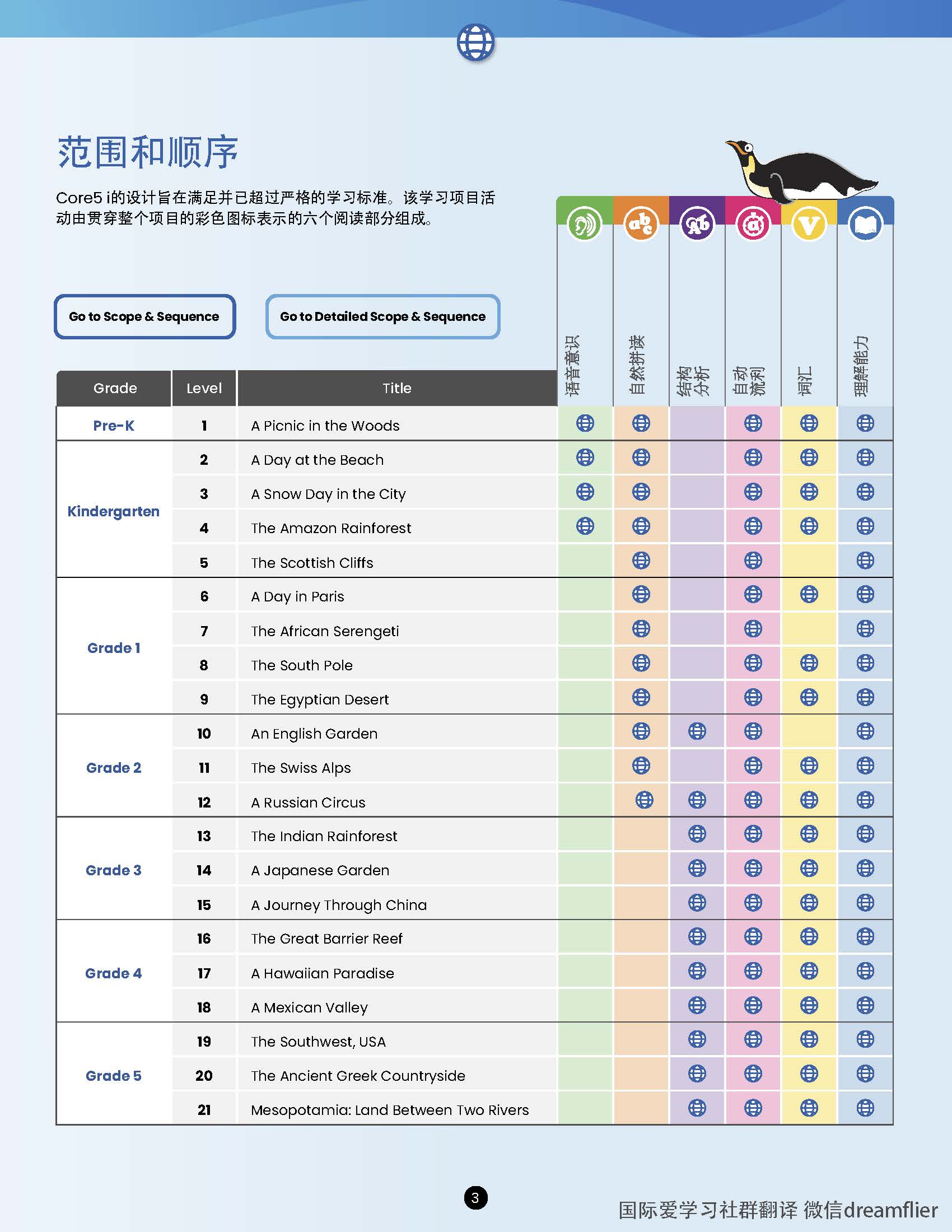
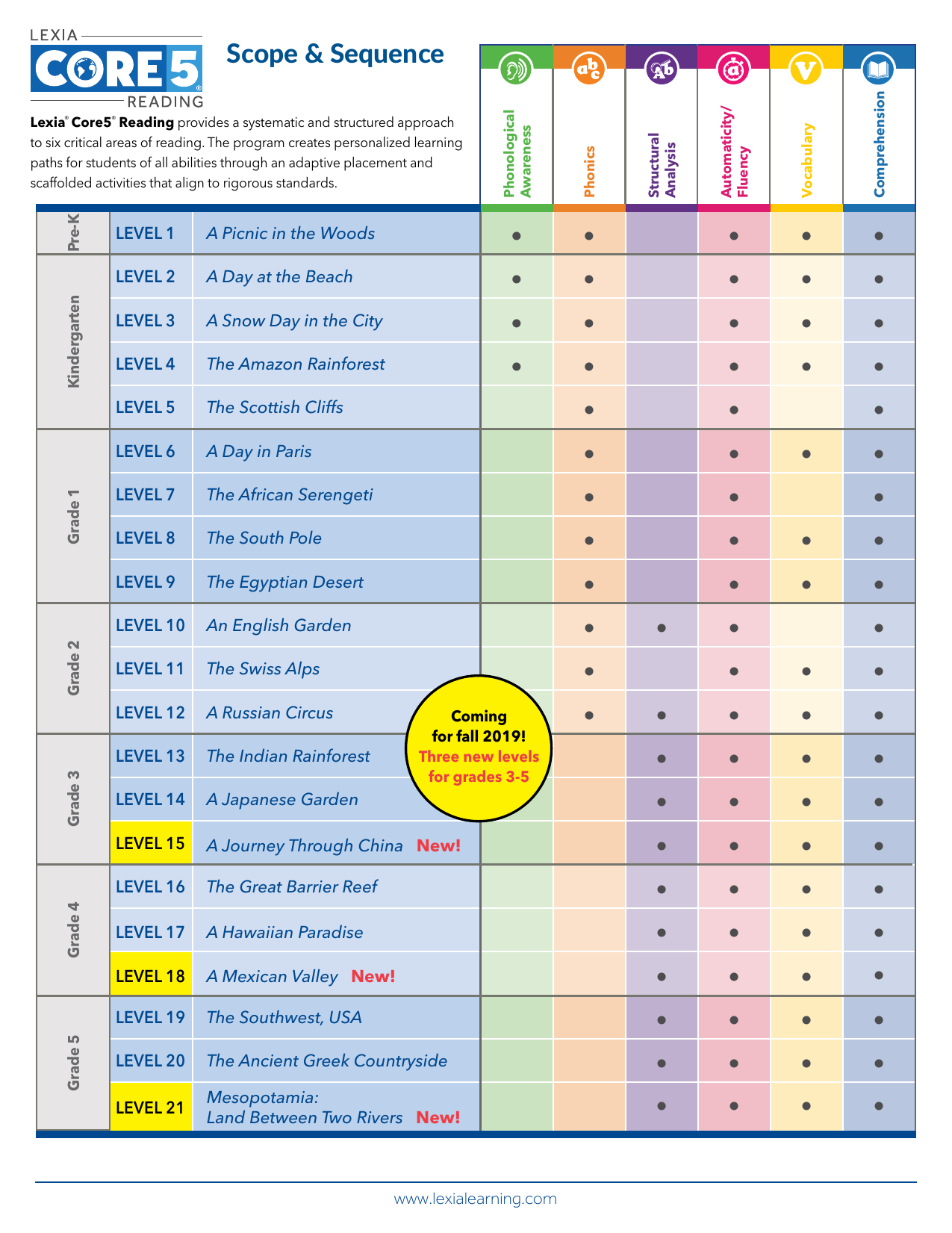
Lexia Core 5 Levels By Grade
Okay, let's talk Lexia Core5. Chances are, if you've got a kiddo in elementary school, you've heard of it. It's that reading program they use, the one with the little cartoon characters and the surprisingly catchy (or maybe annoyingly repetitive, depending on your perspective) sounds. But understanding its levels and how they align with grade levels can be a bit… confusing. So, let's break it down, shall we? Think of this as your cheat sheet to navigating the world of Lexia.
Decoding the Levels: A Grade-by-Grade Guide
Lexia Core5 Reading is designed to be adaptive, meaning it adjusts to each child's individual pace and needs. However, there's a general framework that connects levels to grade levels. Keep in mind, this is a guideline, not a rigid rule. Some kids might be ahead, some might be catching up, and that’s perfectly okay!
- Level 1-4: Typically corresponds to Kindergarten. Think of it as the foundation, focusing on phonological awareness, letter sounds, and basic decoding.
- Level 5-7: Generally aligns with 1st Grade. Here, kids are building on those foundational skills, learning more complex letter combinations and beginning to read simple words and sentences.
- Level 8-10: Often associated with 2nd Grade. They're diving deeper into reading comprehension, tackling longer texts, and learning about different text structures.
- Level 11-13: Usually matches with 3rd Grade. This is where things get interesting! Kids are reading to learn, not just learning to read. They're encountering more challenging vocabulary and complex sentence structures.
- Level 14-16: Frequently tied to 4th Grade. Expect to see them analyzing text, identifying themes, and drawing inferences. They're becoming more critical readers.
- Level 17-18: Often used for 5th Grade. Students are reading more complex and lengthy texts, learning how to research topics and writing reports.
Think of it like leveling up in a video game. Each level represents a new set of skills and challenges!
Must Read
Why Does Lexia Matter?
Lexia isn't just about getting kids to read faster. It's about building a strong foundation for lifelong literacy. It's designed to address specific skill gaps and provide targeted instruction. The adaptive nature of the program is a huge plus, ensuring kids are challenged but not overwhelmed. It's like having a personal reading tutor, but in digital form. And hey, less parental pressure is always a good thing, right?
Practical Tips for Supporting Your Child
- Communication is key: Talk to your child's teacher about their progress in Lexia. Understand their strengths and weaknesses.
- Create a reading-rich environment: Surround your child with books, magazines, and other reading materials. Make reading a fun and enjoyable activity, not a chore. Maybe even start a family book club!
- Celebrate progress: Acknowledge your child's achievements, no matter how small. A simple "I'm proud of you!" can go a long way. Think of it like giving them a virtual high-five after completing a tough level.
Fun Fact Interlude!
Did you know that the average adult reads about 300 words per minute? But speed isn't everything! Comprehension is key. It's better to understand what you're reading than to race through it.

Cultural Connection: The Power of Stories
Think about the stories that have shaped your life. From classic fairy tales to epic novels, stories connect us to our past, present, and future. Reading opens up a world of possibilities, allowing us to learn about different cultures, perspectives, and experiences. Remember that amazing feeling after finishing "Harry Potter" for the first time? Or the impact of "To Kill a Mockingbird?" That’s the power we are fostering!
A Moment of Reflection
Lexia Core5, like many educational tools, is just that: a tool. It’s there to assist and support, but it's not a magic bullet. The real magic happens when we connect with our children, foster a love of reading, and create a supportive environment where they feel empowered to learn and grow. Every milestone, every completed level, every book read is a step towards a brighter, more literate future. So, take a deep breath, celebrate the small victories, and remember that the journey of learning is a marathon, not a sprint. And that’s the ultimate level up.