Lead Free Solder Melting Point

There's a certain quiet satisfaction that comes with fixing something broken, isn't there? Whether it’s coaxing a flickering light back to life or reviving a beloved gadget, the feeling of making things work again is genuinely rewarding. For many of us, this joy extends to the world of electronics, where the humble act of soldering becomes a miniature dance of precision and patience. It’s not just for engineers in white coats; it's for anyone who loves to tinker, to create, or simply to extend the life of their favorite devices. And at the heart of this modern tinkering lies the fascinating, often misunderstood, concept of the lead-free solder melting point.
You see, soldering isn't just about sticking two bits of metal together. It's about creating a robust, reliable electrical connection that can stand the test of time, heat, and vibration. In our increasingly digital world, where everything from our smart toothbrushes to our electric cars relies on intricate circuit boards, the quality of these connections is paramount. The shift to lead-free solder wasn't just a technical upgrade; it was a monumental step forward for our health and the environment. Gone are the days when the toxic heavy metal lead was a standard component. Now, we use alloys, typically a mix of tin, silver, and copper, that achieve similar, if not superior, results without the hazardous baggage.
The benefits of this shift ripple through our everyday lives in countless ways. Every smartphone, laptop, gaming console, and countless household appliances you own has been assembled using lead-free solder. This means less environmental contamination during manufacturing and disposal, and a healthier planet for all of us. When you fix a loose wire in a remote control, repair a headphone jack, or even embark on building your own DIY synthesizer, you're not just practicing a craft; you're participating in a global movement towards safer, more sustainable electronics. It allows us to keep our cherished electronics working longer, reduces waste, and empowers us to be creators rather than just consumers.
Must Read
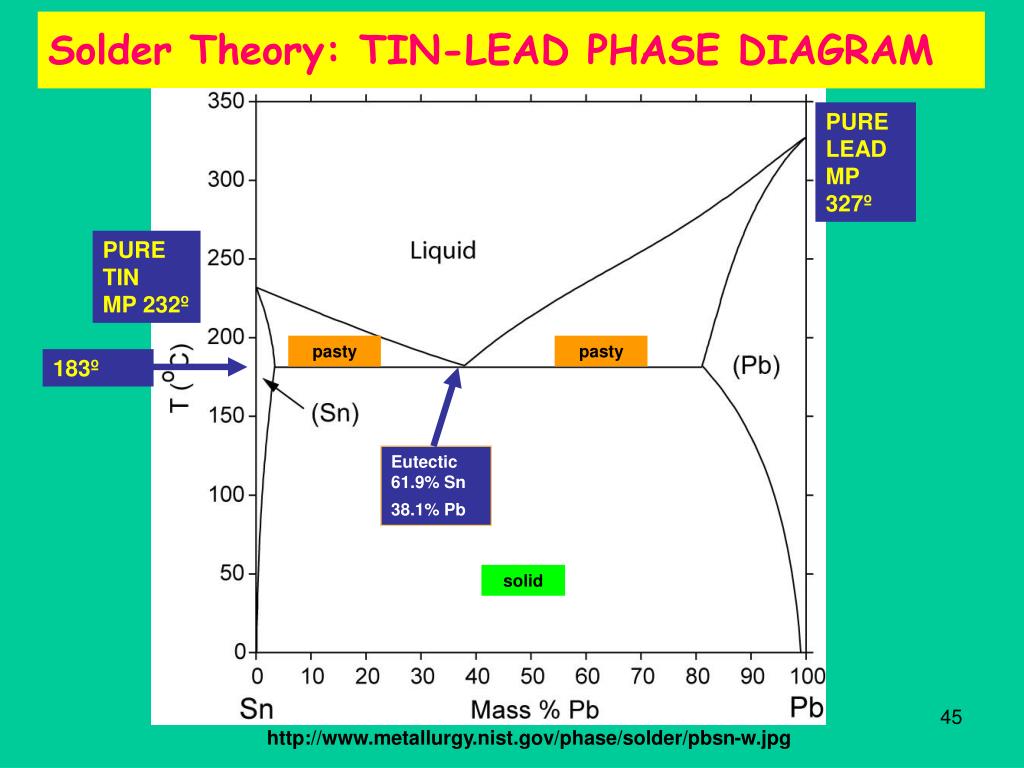
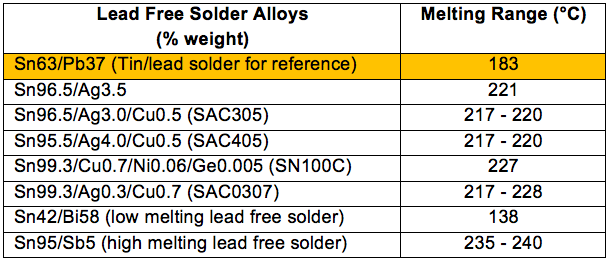
So, how do you dive into this satisfying hobby and enjoy it more effectively? The key, especially with lead-free solder, lies in understanding its particular characteristics. Unlike its leaded predecessor, lead-free solder generally requires a higher melting point. This is crucial knowledge! Where traditional leaded solder might melt around 183°C (361°F), lead-free solders typically demand temperatures closer to 217-227°C (423-441°F), sometimes even higher depending on the specific alloy. This means your trusty old 25-watt iron might struggle; you’ll want a temperature-controlled soldering iron, ideally one capable of reaching 350-400°C (662-752°F), to ensure proper flow and strong joints.
Here are a few practical tips to master the lead-free experience: First, invest in good quality tools: a decent soldering iron with changeable tips, some fine-gauge lead-free solder, good flux, and a reliable helping hand stand. Second, always ensure your components and iron tip are clean. A dirty tip will make soldering a nightmare. Third, use flux! Flux helps clean the surfaces and allows the solder to flow smoothly. Fourth, apply heat to the component and pad simultaneously, then introduce the solder, letting it flow naturally to form a shiny, volcano-shaped joint. Don't melt the solder directly on the iron. Finally, practice, practice, practice! Grab an old circuit board from a discarded toy and get a feel for the process. Once you understand the nuances of its melting point and proper technique, you'll be joining wires and repairing electronics like a pro, enjoying the genuine satisfaction of bringing things back to life, responsibly and effectively.