Kotaro Lives Alone Tv Tropes

Hey everyone! Ever stumble upon a show that just… sticks with you? Something unexpectedly moving, funny, and maybe even a little bit weird? Well, let me introduce you to Kotaro Lives Alone. You might have seen it floating around on Netflix. But have you truly experienced it? And more importantly, have you gotten lost in its fascinating entry on TV Tropes? Because trust me, that's a rabbit hole worth falling down.
What’s TV Tropes, you ask? Think of it as the ultimate encyclopedia of storytelling. It's a wiki where dedicated fans meticulously catalog all the recurring themes, plot devices, character archetypes, and, well, tropes that make up our favorite shows, movies, books, and games. It's where you go to understand why something works, or doesn’t. And Kotaro Lives Alone? It's a goldmine.
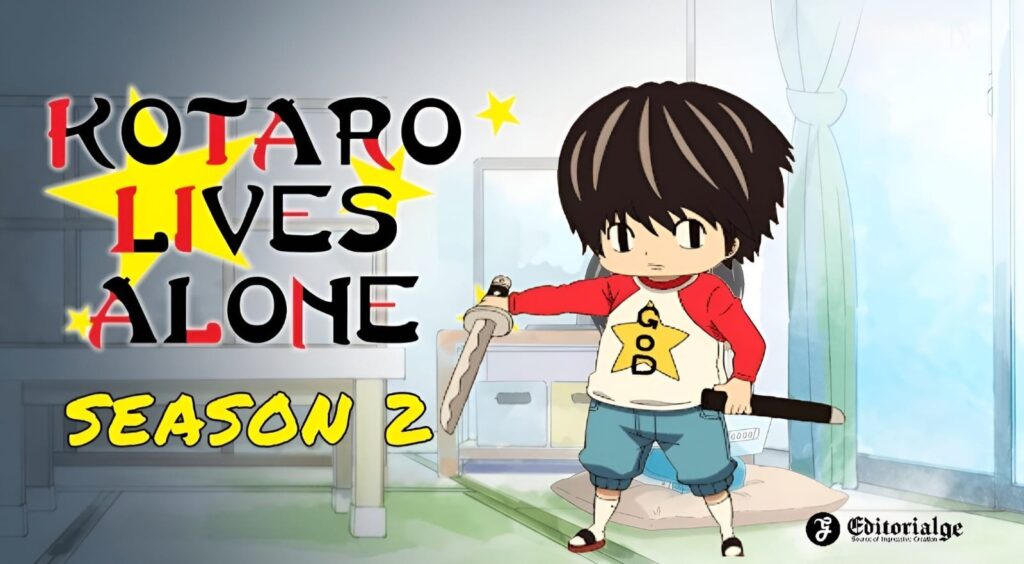
Why is it so cool? Glad you asked! At its heart, Kotaro Lives Alone is about a precocious four-year-old boy living all by himself in a small apartment. Sounds bleak, right? It can be. But it's also incredibly heartwarming. He’s not just surviving; he's thriving, or at least trying his best. He speaks like an old samurai, using archaic and polite language, which is both hilarious and strangely endearing. He’s like a tiny, stoic adult trapped in a kid's body. Think Paddington Bear meets Lone Wolf and Cub, but with a heavy dose of Japanese stoicism.
Must Read
And that’s where TV Tropes comes in. The page dedicated to Kotaro Lives Alone beautifully dissects why this show resonates so deeply. You see tropes like "Child Prodigy," sure, but also "Trauma Conga Line," "Genki Girl" (in some of the supporting characters), and, most importantly, "Found Family."
Found Family, now there’s a trope that pulls at the heartstrings. Kotaro, despite his independence, slowly but surely builds a support system around him. His neighbors, a struggling manga artist and a divorced woman, become his surrogate family. They’re all broken in their own ways, and they find solace and strength in each other. Doesn’t that sound familiar? Haven’t we all, at some point, leaned on people who weren’t necessarily related to us by blood, but felt like family nonetheless?
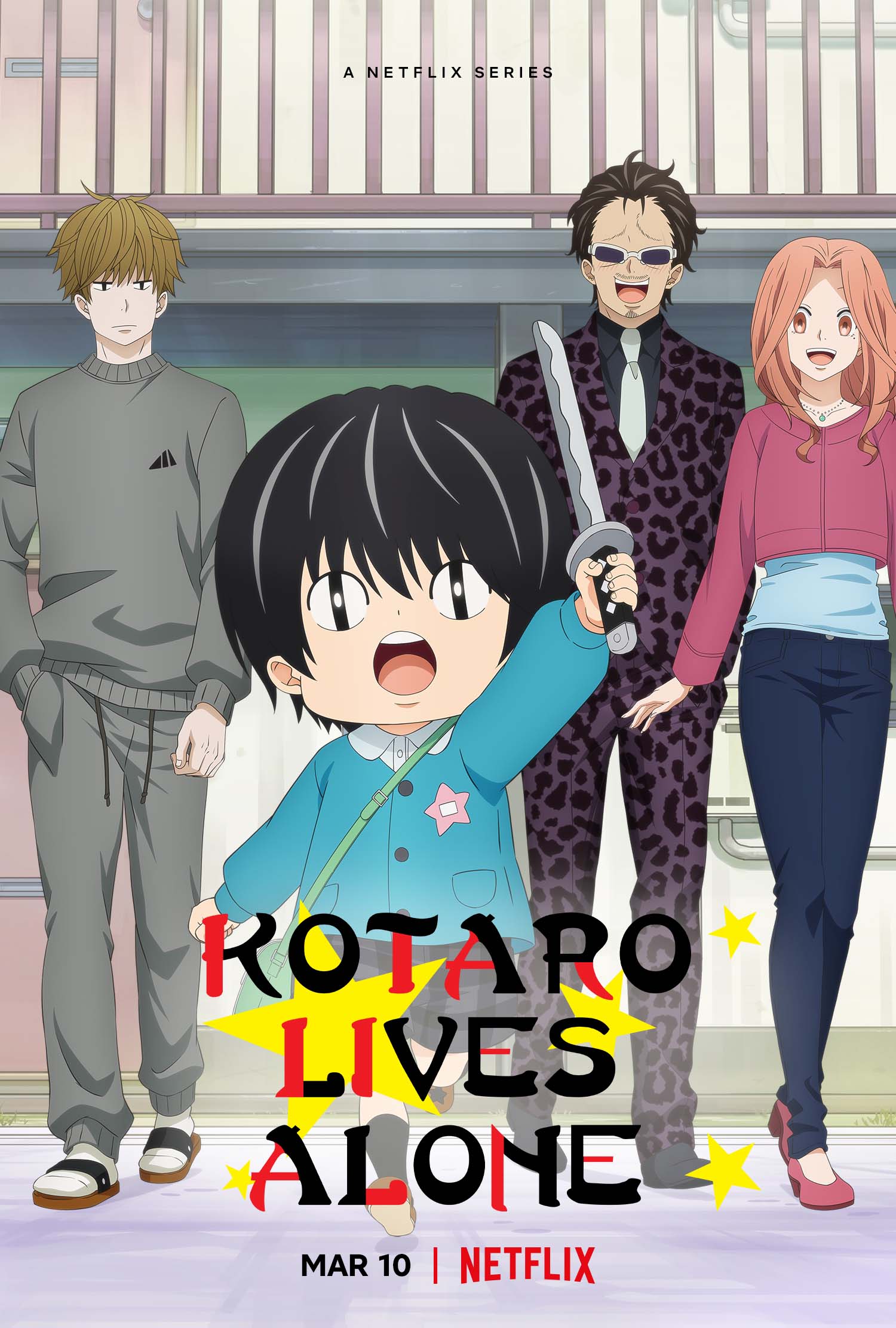
The TV Tropes entry does a brilliant job of highlighting the show's masterful use of juxtaposition. The adorable art style clashes with the often-dark themes of abandonment and loneliness. Kotaro’s formal speech contrasts with his childlike innocence. It's this constant push and pull that keeps you hooked. It’s like watching a sad clown – you laugh, but you also feel a pang of sympathy. This show plays with your emotions like a virtuoso.
Beyond the Feels: It's not all melodrama, though. The show is genuinely funny. Kotaro's misinterpretations of the world, his unwavering politeness, and his dedication to buying and eating only the most expensive tissues (a recurring gag that never gets old!) provide plenty of laugh-out-loud moments. The TV Tropes page expertly catalogs these running gags and character quirks, allowing you to appreciate the show's humor on a deeper level.
Think of exploring the TV Tropes page as attending a really insightful film class, but without the stuffy professor and mandatory readings. It’s a chance to geek out with other fans, dissect the show's themes, and appreciate the nuances you might have missed on your first watch. Did you notice the subtle visual cues foreshadowing a character's backstory? The TV Tropes page probably did!
So, is Kotaro Lives Alone worth watching? Absolutely. Is its TV Tropes page worth exploring? Without a doubt. It's a show that will make you laugh, cry, and maybe even question your own life choices. And the TV Tropes page will help you understand why it affects you so profoundly. Go on, dive in! Just be prepared to spend a few hours getting delightfully lost in the world of Kotaro and his quirky, lovable neighbors. What have you got to lose, except maybe a few tears?