Kilowatt Hour To Kilowatt Conversion
Ever found yourself looking at the back of your favorite gadget, a sleek 3D printer, or an intricate LED art piece, and wondering what those mysterious numbers like 'W' and 'Wh' actually mean? Well, get ready to unlock a new superpower! Understanding the magic of Kilowatt-Hour to Kilowatt Conversion isn't just for electricians; it's a hidden gem for anyone who loves to create, tinker, or simply wants to feel more in control of their digital and electrical world. Think of it as learning the secret language your devices speak about their energy appetite – and trust us, it's far more popular and creatively valuable than you might imagine!
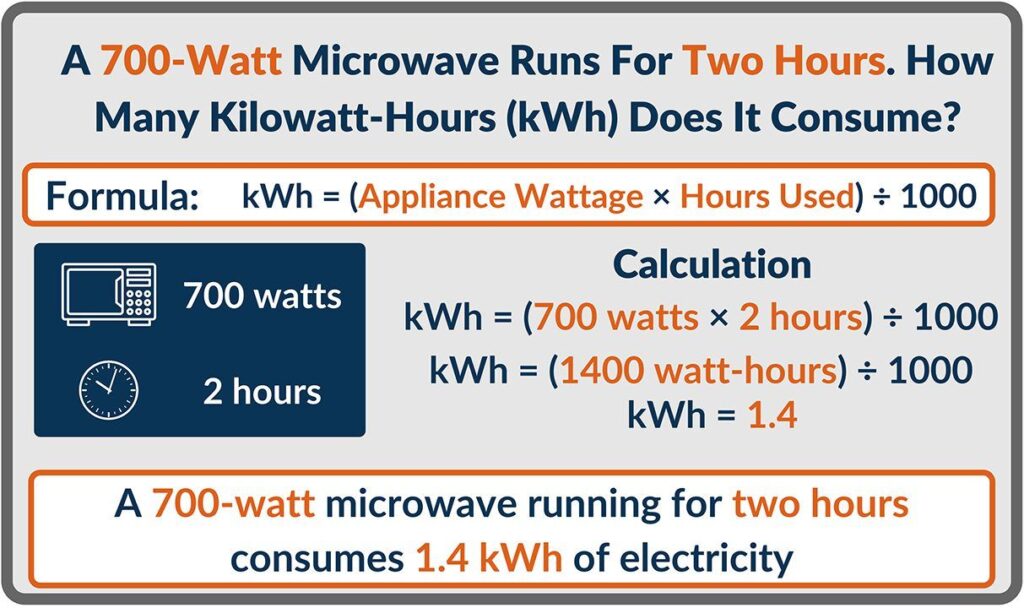
For the uninitiated, "Kilowatt (kW)" is like the speed limit for electricity – it tells you how much power your device needs at any given moment to run. "Kilowatt-hour (kWh)," on the other hand, is the journey it takes – it measures how much total energy your device uses over a period of time, usually an hour. The "conversion" isn't about transforming one into the other directly, but understanding their dynamic relationship: your kW consumption over time adds up to your kWh total. This seemingly simple distinction offers a wealth of benefits for artists, hobbyists, and even the most casual learners.
Imagine you're an artist planning an ambitious LED light installation. Knowing your lights draw X kilowatts helps you choose the right power supply and prevents circuit overloads. But understanding how that translates to Y kilowatt-hours means you can accurately estimate your electricity bill – no more creative surprises on your utility statement! For the hobbyist perfecting a smart home setup, this knowledge is paramount. You can optimize device schedules, ensuring your automated art piece runs only when needed, saving energy without sacrificing impact. Casual learners will find immense satisfaction in demystifying their home electronics, turning abstract numbers into tangible understanding.
Must Read
The applications are as varied as your imagination. Consider the digital sculptor with a high-powered 3D printer: knowing its kW demand keeps the print head moving smoothly, while tracking its kWh consumption helps budget for long, intricate projects. A musician with a complex pedalboard can ensure their gear draws appropriate instantaneous power (kW), avoiding blown fuses, and also understand the cumulative energy (kWh) for outdoor gigs. Even a keen photographer can optimize their lighting rig, ensuring peak performance without draining portable power banks too quickly. This isn't just about saving money; it’s about gaining a deeper appreciation for the energy that fuels your passions, leading to smarter design choices and sustainable practices.
Ready to try this "energy detective" skill at home? It's incredibly easy and fun! Your best friend here will be a simple, affordable device called a Kill-A-Watt meter (yes, that's really its delightful name!). Just plug it into an outlet, then plug your device into the meter. Voilà! It will instantly display both the kilowatts (kW) your device is currently drawing and the accumulating kilowatt-hours (kWh) it’s consumed over time. Experiment with different appliances: your trusty toaster, your laptop charger, or that quirky vintage lamp. You’ll be amazed at what you discover!
Ultimately, embracing the difference between kW and kWh is profoundly enjoyable because it gives you mastery. It transforms you from a passive consumer of electricity into an informed participant. It empowers your creative projects, helps you make more sustainable choices, and even sparks a deeper appreciation for the invisible force that brings our modern world – and our artistic visions – to life. So go ahead, plug in, measure up, and let your understanding of energy supercharge your next big idea!