
Kidde Carbon Monoxide And Smoke Alarm Beeping

You know the sound. That sudden, piercing BEEP! that slices through the quiet of your home, usually in the dead of night, sending your heart racing faster than a squirrel on espresso. It's your Kidde carbon monoxide or smoke alarm, pulling its best impression of a tiny, disgruntled sentinel. And while it might feel like an unwelcome mini-concert, trust us, it’s a sound worth understanding. Let's decode those mysterious beeps with a dash of chill and a sprinkle of savvy, because your peace of mind (and safety) is always in style.
Decoding the Chirp: When Your Alarm Just Needs a Hug (or a New Battery)
Most alarm woes start with a simple, intermittent chirp. Think of it as your alarm’s way of passive-aggressively asking for attention. More often than not, this is your low battery warning. It’s the most common culprit behind those pesky, once-a-minute chirps.
Practical Tip: Head to the alarm that’s chirping (they often have a small LED light that flashes with the chirp to help you identify it). For most Kidde models, you simply twist the unit off its base, open the battery compartment, and swap out the old batteries for fresh ones. Make sure to use the type recommended by the manufacturer, typically AA or 9V. It’s like giving your alarm a fresh shot of caffeine!
Must Read
Fun Fact: Many experts suggest changing your alarm batteries when you change your clocks for Daylight Saving Time – a neat little bi-annual reminder that keeps you proactive, not reactive. Plus, who doesn't love a good "set it and forget it" routine?
The Persistent Beep: What if it's Not Just Batteries?
Sometimes, the battery swap doesn't silence the digital diva. This is where those other beeps come into play, each with its own story to tell.
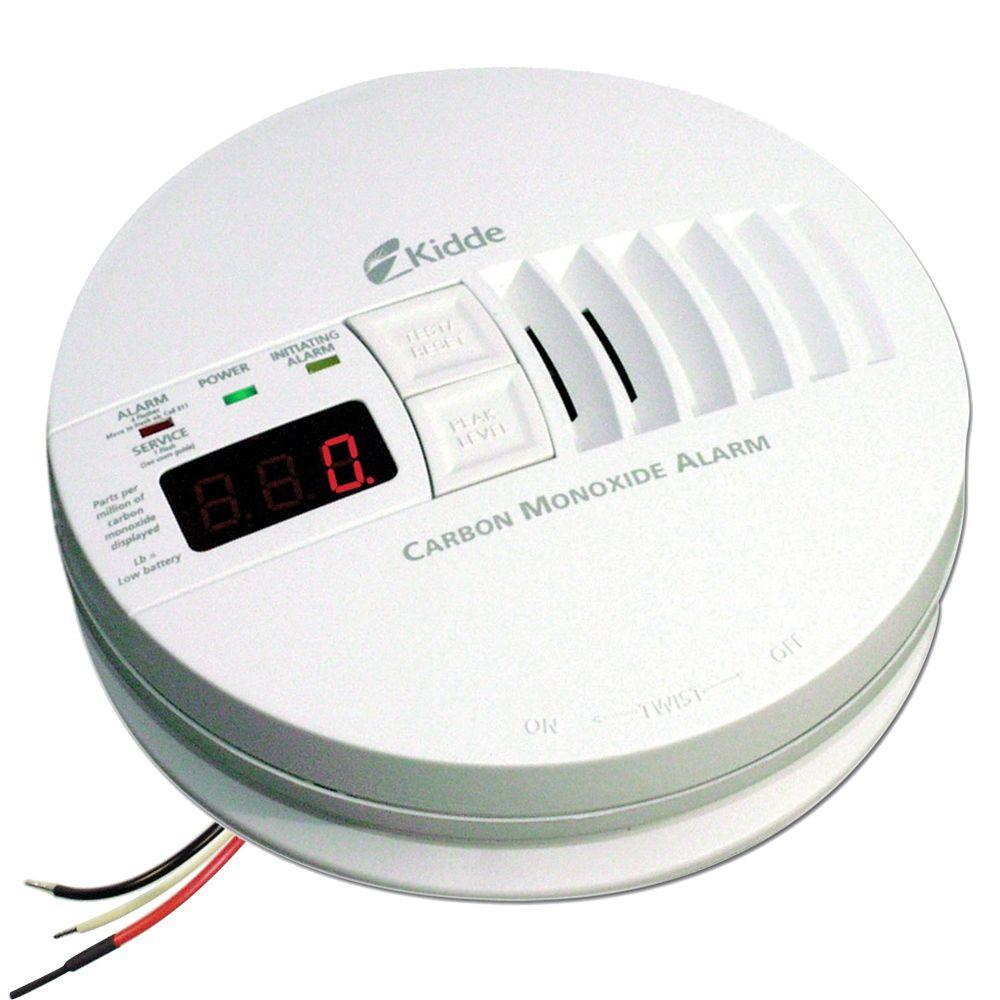
If your smoke alarm is letting out three successive beeps followed by a pause (beep-beep-beep... pause...), it's often an indication of an end-of-life warning. Yes, even alarms have a shelf life! They typically last about 7-10 years. After this, their sensors become less reliable. Check the back of your alarm; there's usually a "replace by" date printed right there. If it's passed, it's time for a new unit. Think of it as a mandatory retirement party for your trusty guardian.
Now, if your carbon monoxide (CO) alarm is beeping with five successive chirps (chirp-chirp-chirp-chirp-chirp... pause...), that's its own end-of-life warning. Similar to smoke alarms, CO detectors have a lifespan, typically 7 years. Again, check that "replace by" date. Because when it comes to the silent, odorless threat of carbon monoxide, you want your detector to be in peak performance.

When Things Get Serious: Understanding Alarm Signals
It's crucial to distinguish between a low-battery chirp and an actual alarm. These are the sounds that demand immediate attention:
- If your smoke alarm is emitting a loud, continuous alarm sound (three beeps, a pause, three beeps, a pause), that means smoke or fire is detected. This isn't a drill! Follow your escape plan immediately. Get out, stay out, and call 911.
- If your carbon monoxide alarm is sounding with a sequence of four short beeps, followed by a pause (beep-beep-beep-beep... pause...), it means carbon monoxide has been detected. This is serious. Get everyone outside into fresh air immediately, and then call your emergency services (like 911) or your gas company. CO is often called "the silent killer" because you can't see, smell, or taste it. Your alarm is literally your lifesaver in this scenario.
Your Alarm’s Best Life: Maintenance & Good Vibes
Keeping your alarms happy means keeping you safe. Here are a few quick tips:

- Test Monthly: Press the "test" button on each alarm once a month. It should let out a loud alarm. If it doesn't, investigate.
- Clean Gently: Dust and cobwebs can interfere with sensors. Gently vacuum or wipe the outside of your alarms every few months.
- Know Your Dates: Always be aware of the "replace by" date. If it’s passed, upgrade. It's like refreshing your tech – out with the old, in with the reliably new.
Did You Know? The first residential smoke detector was patented in 1902 by a Swiss physicist named George R. Dale. It took decades for them to become widely available and affordable, proving that even life-saving tech sometimes takes its sweet time to go mainstream.
The Reflection: More Than Just Beeps and Chirps
So, the next time your Kidde alarm decides to make its presence known, take a deep breath. It might be annoying, a jarring interruption to your binge-watching session or your peaceful slumber. But remember, these little plastic sentinels are on your team. They’re a crucial part of your home’s safety ecosystem, a tiny, vigilant guardian always on standby. Understanding their language isn't just about troubleshooting; it's about investing in peace of mind, knowing that your home is a little bit safer, and that's a feeling that never goes out of style.
