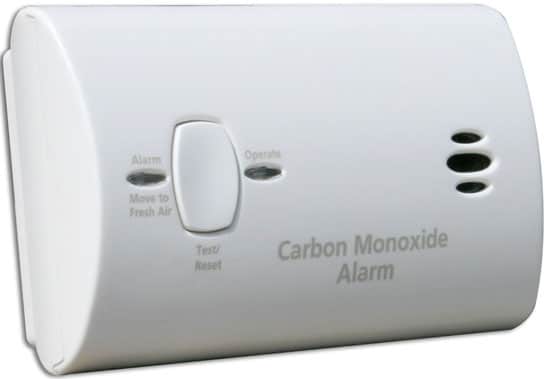
Ever been startled awake by a persistent, rhythmic chirp coming from somewhere in your house? Or perhaps a more urgent, blaring alarm that sets your heart racing? If you own a Kidde Carbon Monoxide (CO) alarm, chances are you've experienced one of these mysterious sonic signals. Rather than just being an annoying noise, these beeps are actually little messages from a crucial guardian in your home, and understanding them isn't just practical – it's fascinating and potentially life-saving.
So, what exactly is this beeping device, and why does it deserve our attention? At its core, a carbon monoxide alarm is designed to detect the presence of carbon monoxide gas, an insidious threat often dubbed the "silent killer." CO is a colorless, odorless, and tasteless gas produced by the incomplete burning of various fuels like natural gas, propane, wood, or gasoline. Think of your furnace, gas stove, water heater, fireplace, or even a car running in an enclosed space – all potential sources if not properly maintained or ventilated. The CO alarm acts as your personal, always-on chemical detective, constantly sniffing the air and alerting you with its distinct beeps long before you'd ever suspect a problem. Its main benefit? Providing an early warning that can give you precious time to evacuate and seek help, preventing serious illness or even fatalities.
In daily life, these alarms are ubiquitous and vital. Every home with fuel-burning appliances or an attached garage should have at least one, ideally on every level and near sleeping areas. They're mandatory in many rental properties and dorms, and essential for RVs and boats. Beyond home safety, these alarms offer great educational opportunities. For children, understanding why the CO alarm is important is a fundamental part of learning about home safety and unseen dangers. Science classes can explore the chemistry of combustion and gas detection, making abstract concepts tangible. Discussing the different types of beeps – a series of chirps versus a continuous alarm – teaches critical thinking and immediate action protocols.
Now for the practical part: what do those beeps mean, and what should you do? A continuous, loud, four-beep pattern followed by a pause usually indicates that carbon monoxide has been detected. This is when you should immediately move everyone outdoors to fresh air and call emergency services, like the fire department. Do not re-enter until cleared by professionals. On the other hand, a single, short chirp every 30-60 seconds usually means the battery is low and needs replacing. This is a common occurrence, but one that shouldn't be ignored! Most alarms also have an "End of Life" signal, often a distinct pattern of chirps, letting you know it's time to replace the entire unit, typically every 5-7 years. Always check your specific Kidde model's manual to confirm its unique signaling patterns. Regular maintenance, like pressing the "test" button monthly and gently vacuuming dust from the vents, keeps your silent guardian vigilant. So, the next time your Kidde alarm beeps, remember it’s not just a noise, but a fascinating and friendly warning from a tiny, life-saving scientist right there in your home.