Johnson And Johnson Cataract Lens Review
Let's face it, nobody wants to talk about cataracts. But if you're reading this, chances are you, or someone you care about, is considering cataract surgery. And that means navigating a whole new world of lens options. Think of it like choosing the perfect pair of glasses, only these are going inside your eye! Today, we're diving into the world of Johnson & Johnson cataract lenses, exploring what they offer and whether they might be the right fit for you.
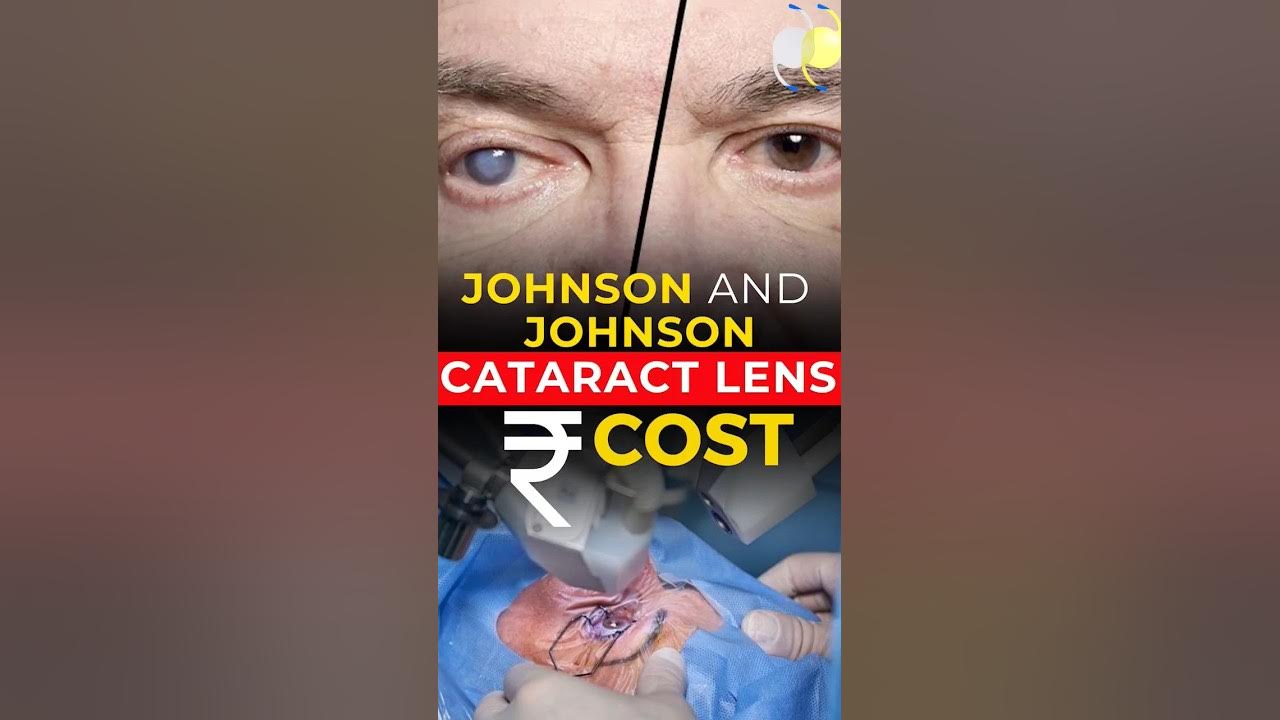
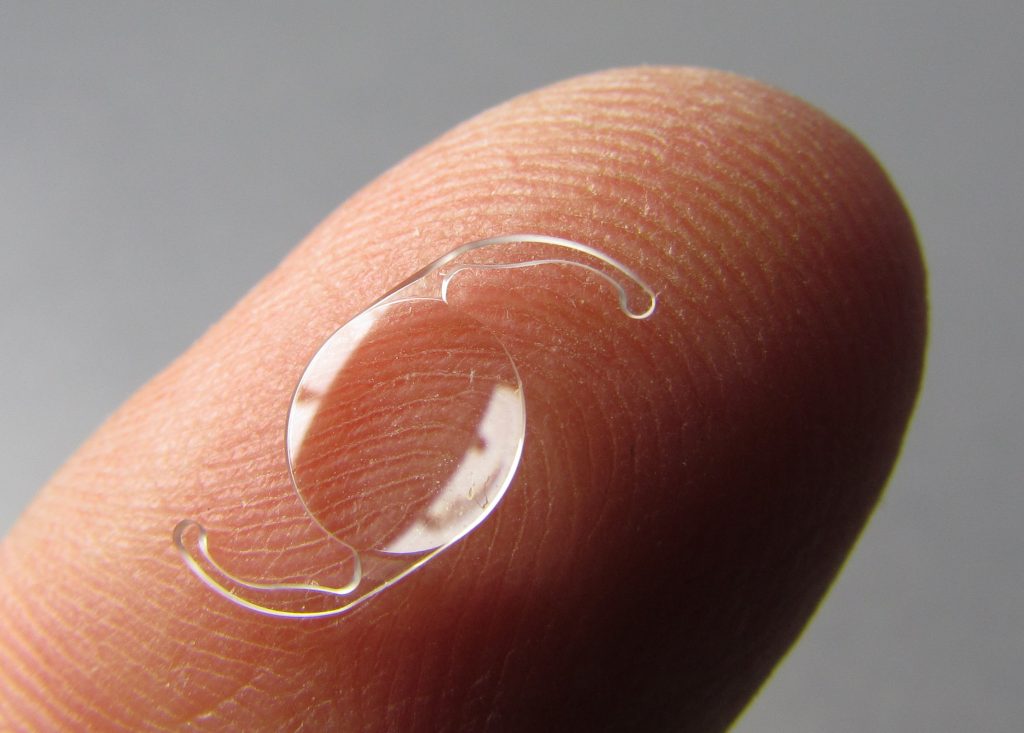
Cataracts, those cloudy patches that blur your vision, are a pretty common part of aging. They happen when the natural lens in your eye becomes opaque. Cataract surgery, the most common surgical procedure performed in the US, involves removing that cloudy lens and replacing it with an artificial one, an Intraocular Lens (IOL). This is where Johnson & Johnson comes in. They're one of the leading manufacturers of these IOLs, offering a range of options designed to restore clear vision and, in some cases, even reduce your dependence on glasses.
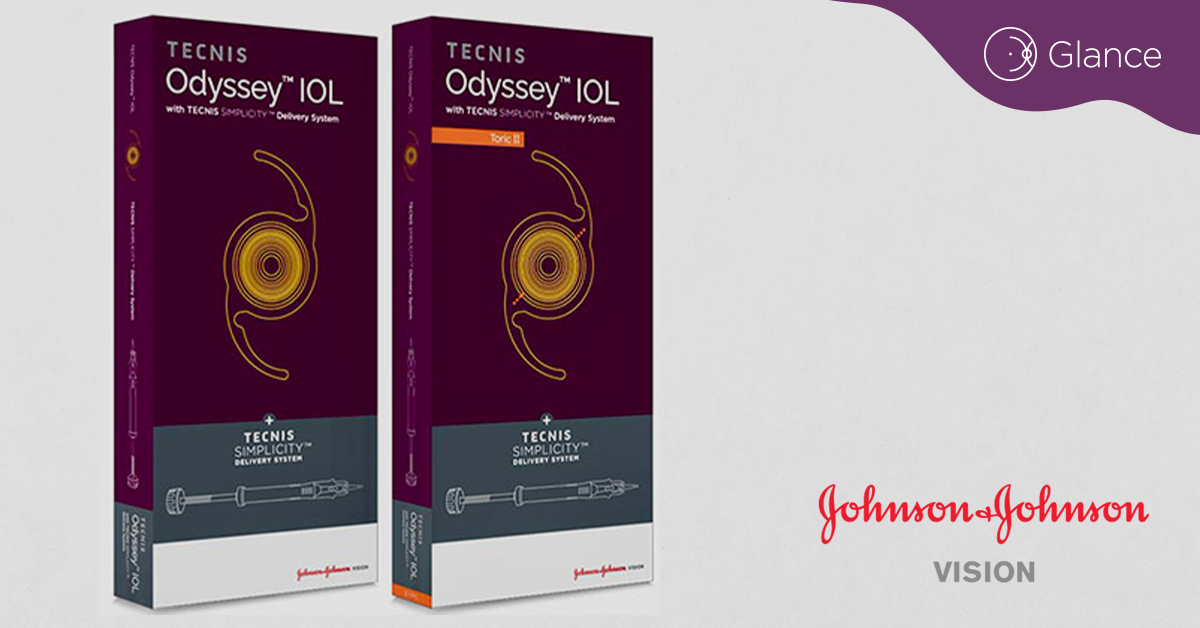
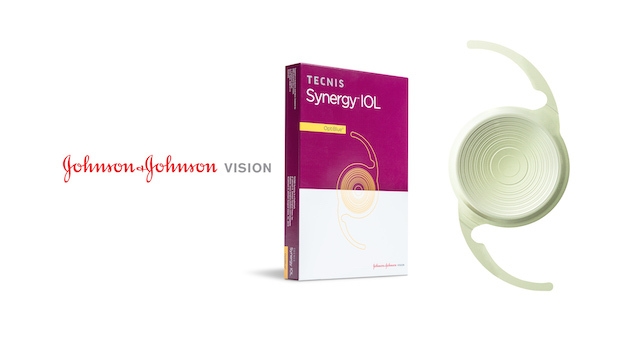
So, what's the big deal about choosing the right IOL? Well, it can significantly impact your quality of life. Imagine being able to read a book without squinting, drive comfortably at night, or simply enjoy the vibrant colors of the world again. That's the power of a good cataract lens. Johnson & Johnson offers lenses that cater to different needs. For example, they have monofocal lenses, which provide clear vision at one distance (usually far), requiring reading glasses for close-up work. Then there are multifocal lenses, designed to provide good vision at both near and far distances, potentially eliminating the need for glasses altogether. And for those with astigmatism, toric lenses correct the irregular shape of the cornea, providing sharper vision at all distances.
Must Read
You might be wondering, "How do I know which lens is right for me?" That's where a thorough consultation with your ophthalmologist is crucial. They'll perform a comprehensive eye exam, discuss your lifestyle and visual needs, and recommend the best lens option. They’ll ask questions like: Do you spend a lot of time reading? Do you frequently drive at night? What are your hobbies? Based on your answers, they can help you weigh the pros and cons of each lens type.
Choosing the right IOL is a collaborative effort between you and your doctor. Don't be afraid to ask questions! Understand the risks and benefits of each lens. Discuss your expectations. The more informed you are, the happier you'll be with the outcome. And remember, advancements in lens technology are constantly evolving, so what was true a few years ago might not be true today. Your ophthalmologist will be up-to-date on the latest options. Furthermore, post-operative care is key! Follow your doctor's instructions carefully, attend all follow-up appointments, and be patient. It can take a few weeks or even months for your vision to fully stabilize after surgery.
Ultimately, choosing a Johnson & Johnson cataract lens, or any IOL for that matter, is a personal decision. By understanding the options available and working closely with your ophthalmologist, you can take a proactive step towards regaining clear vision and enjoying a brighter, clearer future.