
Is Zinc Or Galvanized Better For Outdoor Use
So, you're dreaming of the perfect outdoor setup – a vibrant garden, a cozy patio, maybe even a DIY project that’ll make Martha Stewart jealous. But lurking beneath the surface of your Pinterest boards lies a crucial question: when it comes to metal, is zinc or galvanized the better choice for battling the elements? Fear not, fellow outdoor enthusiast, because we're about to decode the metallic mysteries.
What's the Deal with Zinc and Galvanization?
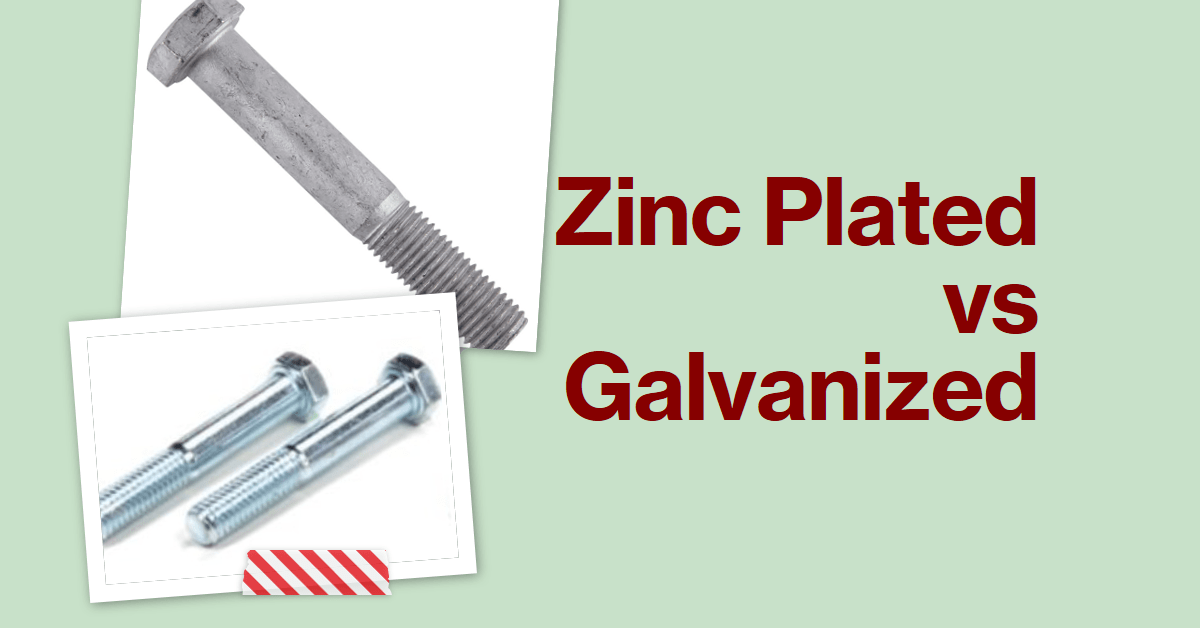
First things first, let's level-set. Zinc, in its pure form, is a bluish-white metal. Galvanization, on the other hand, is a process. Think of it like giving steel a superhero suit made of zinc. The steel is dipped in molten zinc, creating a protective layer that shields it from the dreaded rust and corrosion.
Must Read
Why Bother Protecting Metal Anyway?
Imagine leaving a perfectly good bicycle out in the rain for months. Sad, right? Rust is the enemy! It weakens metal, makes it look terrible, and can eventually lead to structural failure. Protection is key for long-lasting outdoor gear and structures.
Zinc: The Pure and Simple Approach
When we talk about using zinc directly for outdoor applications, we're usually referring to things like zinc roofing or certain decorative elements. Zinc is naturally corrosion-resistant. It develops a protective layer called a patina over time. This patina, that slightly chalky, often grayish film, isn't rust; it's a shield! It's like the metal version of aging gracefully.
Pros of Zinc:
- Naturally Corrosion-Resistant: That patina is your best friend.
- Aesthetically Pleasing: That silvery appearance can be quite chic. Think of the zinc countertops gaining popularity in modern kitchens!
- Eco-Friendly: Zinc is recyclable.
Cons of Zinc:
- Cost: Pure zinc can be more expensive than galvanized steel.
- Softness: Zinc is softer than steel, making it less suitable for high-stress applications.
Galvanized Steel: The Tough Guy
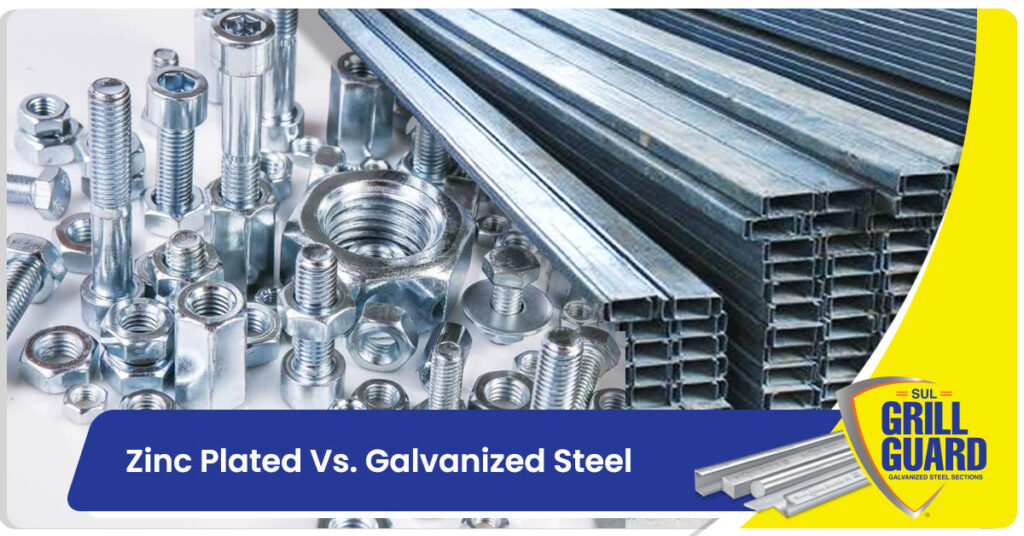
Galvanized steel is the workhorse of the outdoor world. Think of fences, railings, and structural components. The zinc coating acts as a sacrificial anode. This means that even if the coating is scratched or damaged, the zinc will corrode before the steel, protecting it from rust. It’s like having a metallic bodyguard!
Pros of Galvanized Steel:
- Strength: The steel base provides excellent structural integrity.
- Cost-Effective: Generally more affordable than pure zinc.
- Long-Lasting: With proper maintenance, galvanized steel can last for decades.
Cons of Galvanized Steel:
- Appearance: Can be less aesthetically pleasing than zinc, though some find the industrial look appealing.
- Coating Damage: If the zinc coating is severely damaged, the steel underneath becomes vulnerable to rust.
- Environmental Concerns: The galvanization process can involve chemicals that need to be managed responsibly.
So, Which One is Right for You?
The answer, as always, depends on your specific needs. Here's a quick cheat sheet:
- For Decorative Elements or Roofing Where Aesthetics and Longevity are Key: Consider zinc.
- For Structural Applications, Fences, Railings, and Projects Where Strength and Cost-Effectiveness are Priorities: Galvanized steel is your go-to.
Pro Tip: When working with galvanized steel, avoid welding or grinding, as this can damage the zinc coating and release harmful fumes. If you must weld, ensure proper ventilation and use appropriate safety equipment.
Cultural Tidbit: Did you know that zinc gets its name from the German word "Zink," which means "tooth-like" or "pointed?" This refers to the shape of zinc crystals.
Fun Fact: Galvanized steel was famously used in the construction of the Eiffel Tower, showcasing its durability and resistance to the elements.
Beyond the Basics: Other Considerations

Consider the environment. Saltwater environments are particularly corrosive. In these situations, you might need to opt for a heavier galvanization or consider other protective coatings.
Think about maintenance. Regularly cleaning and inspecting your outdoor metal structures can help prolong their lifespan, regardless of whether they're made of zinc or galvanized steel.
A Moment of Reflection
Choosing between zinc and galvanized steel might seem like a small decision, but it highlights a bigger point: taking the time to understand the materials we use in our daily lives can make a significant difference. From the metal that protects our homes to the fabrics that clothe us, thoughtful choices lead to longer-lasting, more sustainable, and ultimately, more satisfying outcomes. So, next time you're faced with a decision, take a moment to dig a little deeper. You might be surprised by what you discover.