
Is William Afton Based On A Real Person
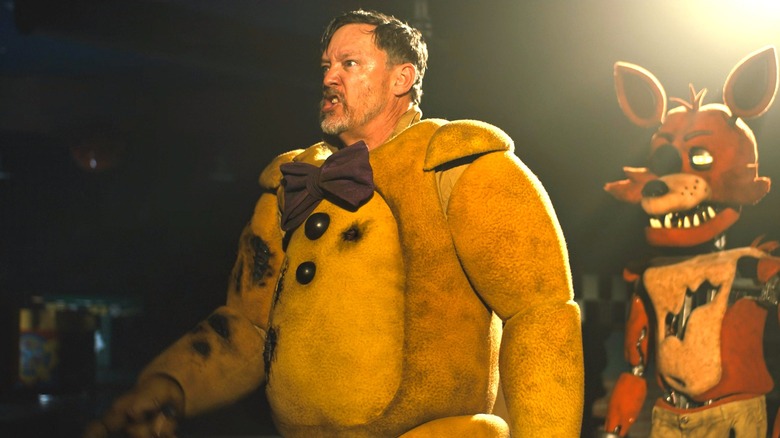
So, you're deep into the Five Nights at Freddy's lore, huh? You've probably spent countless nights (pun intended!) trying to unravel the mystery of William Afton, the guy who makes even Freddy Fazbear look like a cuddly teddy bear.
But a question lingers, one that's as unsettling as a malfunctioning animatronic: is this purple-clad villain based on a real person? Prepare yourself, because the answer is...well, it's complicated, and maybe a little hilarious.
The "Based On" Game: Afton's Ancestry
Let's get one thing straight: there isn't a confirmed William Afton lurking in the shadows of reality. No one has stepped forward (thank goodness!) and confessed to a string of child murders connected to a Chuck E. Cheese-esque establishment.
Must Read
However, inspiration can come from strange places. And when it comes to creating a truly terrifying villain, sometimes reality offers a helping (and horrifying) hand.
The Monster in the Mirror: Echoes of Evil
Instead of a direct carbon copy, Afton is more like a Frankenstein's monster of real-life villainy. He embodies traits and motivations that have been observed in some of history's most notorious criminals.
Think about it: the chilling charisma, the manipulative nature, the unsettling lack of empathy. These are all traits that have been documented in real-life serial killers.
He is a brilliant engineer, which gives him a layer of cunning and deception that would be difficult to guard against.
The Corporate Conspiracy: A Touch of Real-World Greed
Beyond the outright murder, Afton's story touches on themes that are unfortunately very real. Corporate greed, negligence, and the willingness to cover up mistakes to protect the bottom line are all issues that plague the real world.
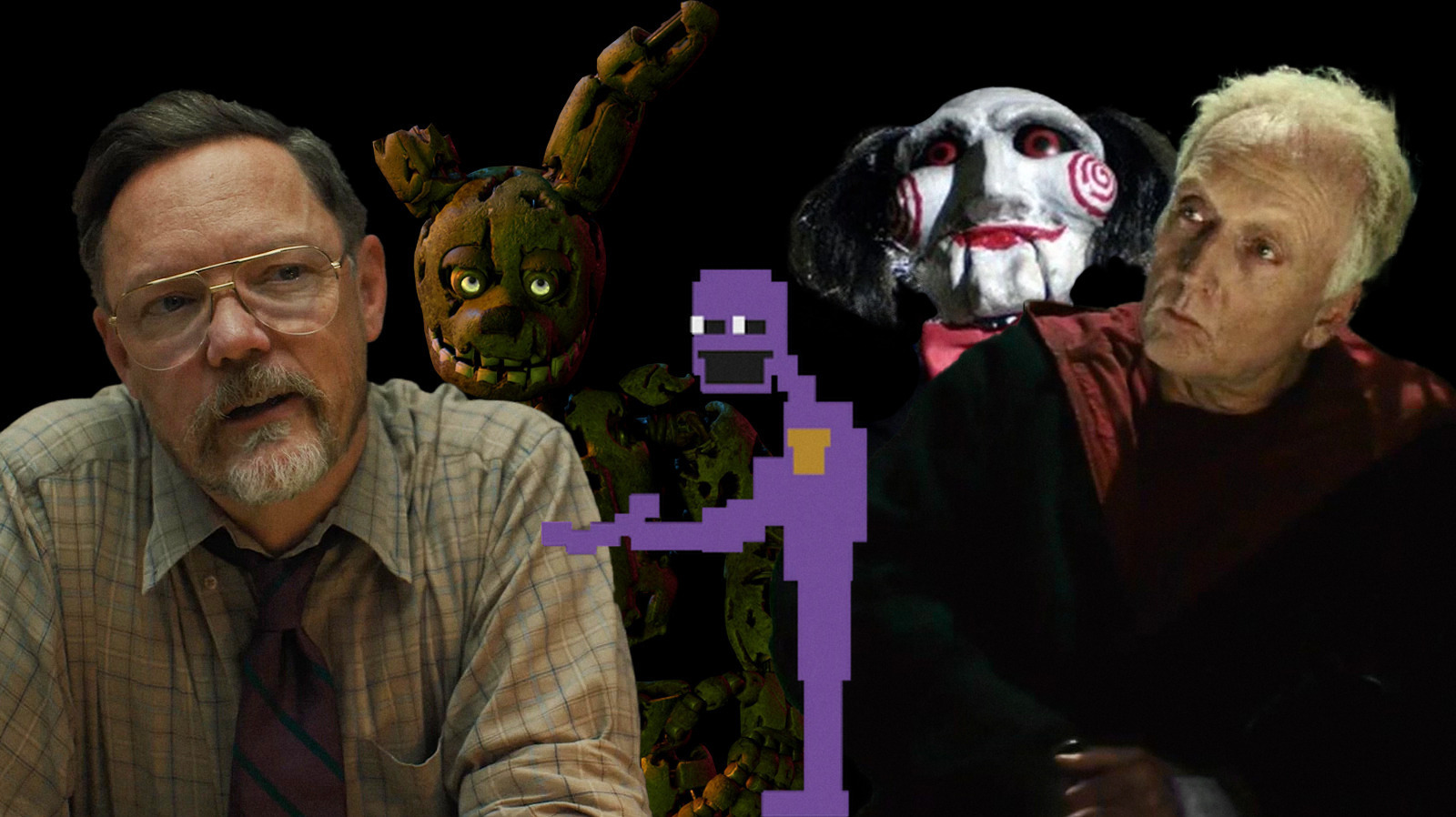
Think about companies that prioritized profit over safety, leading to devastating consequences. While no real company has animatronics possessed by vengeful spirits (as far as we know!), the underlying themes of corporate malfeasance are definitely present.
The cover ups and lies are all too real, even if the setting is fantastic.
The Urban Legend Effect: When Fiction Blurs with Reality
Another fascinating aspect is how the Five Nights at Freddy's lore itself has started to resemble a real-world urban legend. The more fans dissect and analyze the story, the more it feels like it could almost be true.
This is partly due to the ambiguous nature of the game's storytelling. Scott Cawthon, the creator, has always been good at dropping hints and leaving breadcrumbs, allowing fans to fill in the gaps with their own theories and interpretations.
These are some of the most popular theories, giving William Afton a much more grounded, and realistic, personality.
The Power of Suggestion: Believing is Seeing
As fans debate the intricacies of the Afton family and the tragic events at Freddy Fazbear's Pizza, the line between fiction and reality becomes increasingly blurred. We start to see patterns and connections that may or may not be there, fueled by our own imaginations and anxieties.

This is the power of suggestion at its finest. We project our own fears and concerns onto the narrative, making it feel more real and impactful. The scariest monsters are often the ones that reflect our own inner demons.
It's why the fan theories are so interesting to read, because it shows the power of suggestion on display for all to see.
The Verdict: A Composite of Nightmares
So, is William Afton based on a real person? The answer is probably no, not in the literal sense. There isn't a single individual who perfectly embodies all of his depraved characteristics.
Instead, he's a composite of various real-world elements: the personality traits of known criminals, the ethical failings of corporations, and the power of urban legends to tap into our deepest fears.
It's a disturbing recipe, but one that makes him a truly unforgettable villain.

The Real Horror: The Potential for Evil
Perhaps the most unsettling aspect of William Afton is that he reminds us of the potential for evil that exists within humanity. He represents the darkness that can lurk beneath a seemingly normal exterior, the capacity for cruelty that we often try to ignore.
He shows that there is an evil inside that we need to be aware of.
It's a sobering thought, but one that makes his character all the more compelling. Because in the end, the scariest monsters are not always the ones with sharp teeth and claws. Sometimes, they're the ones who look just like us.
The Lighter Side: Finding Humor in the Horror
Okay, enough existential dread! Let's lighten the mood a bit. After all, even in the darkest of stories, there's always room for a little levity.
Think about the sheer absurdity of some of Afton's actions. He gets springlocked in a rabbit suit, survives multiple fires, and keeps coming back like a digital cockroach. You almost have to admire his sheer tenacity (in a twisted, villainous way, of course!).
It is just too much at some points, leading to some funny moments.

The Internet's Take: Afton as a Meme
And let's not forget the internet's reaction to Afton. He's become a meme, a figure of dark humor that fans love to poke fun at. From "I always come back" to countless fan theories and parodies, the internet has embraced Afton in all his messed-up glory.
His image is everywhere, and fans seem to enjoy messing with him.
It's a testament to the power of storytelling that even a character as terrifying as William Afton can become a source of amusement and connection for fans around the world.
Conclusion: Afton's Enduring Legacy
So, while William Afton may not be based on one specific real person, he's a reflection of the darker aspects of human nature, amplified and distorted through the lens of horror.
He's a reminder that evil can take many forms, and that sometimes, the scariest monsters are the ones we create ourselves.
And despite his villainous nature, he is still a character that fans discuss every day, with fan theories and memes ensuring that Afton's legacy will live on, for better or for worse, in the annals of video game history.