
Is There Sales Tax On Gold Bars
So, you're thinking about buying a gold bar? Shiny! Who wouldn't want to have a real-life treasure chest moment? The question burning in your mind is likely, "Will the taxman be waiting with his hand out?"
Let's dive into the glittering world of gold bar sales tax, shall we? It's not always a straightforward "yes" or "no." Think of it like a complicated recipe where the ingredients (state laws) change everything.
The Great Gold Tax Gamble
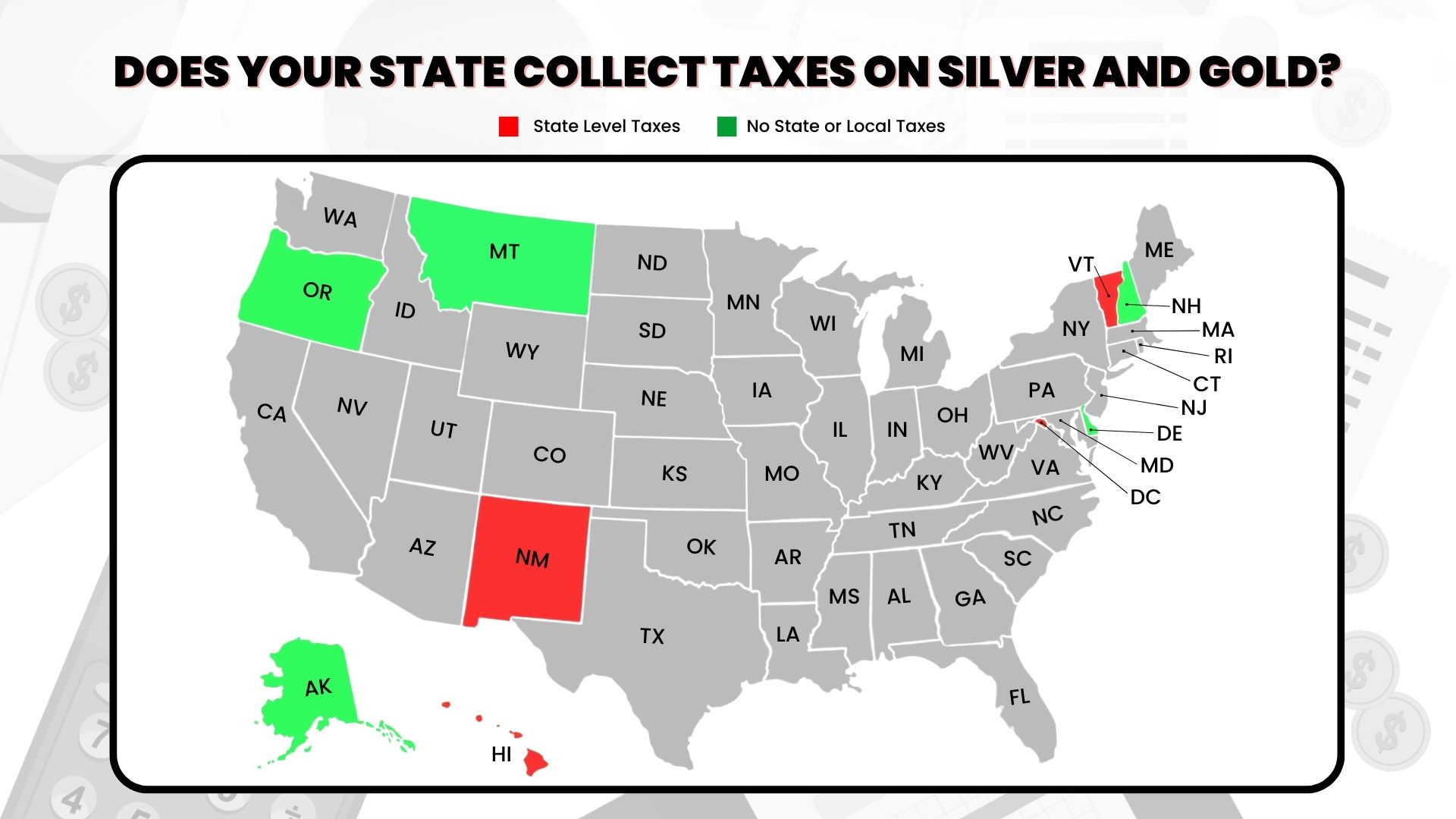
Here's the deal: sales tax on gold bars is like a game of state-by-state roulette. Some states are cool and say, "Nah, gold is an investment; we'll leave it alone." Others are like, "Cha-ching! Give us our cut!"
Must Read
Imagine buying a massive chocolate bar. In some places, you pay sales tax, no biggie. Now, picture that same chocolate bar made of pure, 24k gold. The rules suddenly change depending on where you are!
States with a "Goldilocks" Attitude (Just Right!)
Some states have a heart of gold (pun intended!) when it comes to taxing precious metals. They realize that slapping a sales tax on gold can discourage investment and be a bit of a buzzkill.
These states often have exemptions for bullion, which includes gold bars. It's like they're giving you a high-five for being financially savvy. Good on you for investing in something shiny and valuable!
Examples of states with potential exemptions for gold bullion (but always check current laws!) might include places like Oregon, Delaware, or Montana. Think of these as the tax havens of the gold-buying world.

States That Want a Piece of the Gold Pie
Then there are the states that see a gold bar and think, "Ooh, shiny! We want a little slice of that action!" These states apply sales tax to gold bars just like they would to a new TV or a fancy handbag.
It's not necessarily a bad thing; they need to fund schools and roads, after all. But it does mean you'll need to factor in that extra cost when budgeting for your gold bar purchase.
States like California or New York might be among those that typically charge sales tax on gold, but again, it depends on specific criteria and changing legislation. Always double-check with the state's Department of Revenue!
The Confusing Middle Ground
And of course, there's the murky middle ground. Some states have exemptions, but they come with conditions. It’s like saying, "We'll give you a discount, but only if you hop on one foot and sing 'Happy Birthday.'"
These conditions might include a minimum purchase amount. They might also depend on whether the gold is in coin or bar form. It’s enough to make your head spin!
For instance, a state might exempt gold coins but not gold bars, or vice versa. Or, they might exempt gold if you buy over a certain dollar amount, like $1,000 or $1,500.
Decoding the Sales Tax Labyrinth
So, how do you navigate this confusing maze of sales tax laws? Don't worry; it's not as daunting as it seems. Just follow these simple steps, and you'll be golden (another pun!).
First, know your state. This is crucial! Find out where you're buying the gold, even if it's online. The sales tax usually depends on where the product is being delivered, not where the company is located.
Second, consult the experts. Check your state's Department of Revenue website. Look for information on sales tax exemptions for precious metals or bullion. These websites can be a bit dry, but they contain the official rules.
Third, talk to your dealer. A reputable gold dealer should know the sales tax laws in your state. They can tell you whether or not you'll owe sales tax and how much it will be. They're like your friendly gold-buying guides!
Common Sales Tax Scenarios
Let's look at some common scenarios to illustrate how sales tax on gold bars works in practice. This will help solidify your understanding and prevent any sticker shock at the checkout.
Scenario 1: Buying online from out of state. Let's say you live in Texas (which often has exemptions for bullion). You order a gold bar from an online dealer located in New York (which may charge sales tax). You will typically pay Texas sales tax (or none if it's exempt), since that's where the gold is being delivered.
Scenario 2: Buying in person. You stroll into a local coin shop in Ohio (where laws can vary). You buy a beautiful gold bar. You will likely pay Ohio sales tax, assuming there aren't specific exemptions that apply to your purchase.
Scenario 3: Buying a "collectible" gold bar. Some states distinguish between bullion and collectible coins or bars. A rare or numismatic gold bar might be taxed differently than a standard bullion bar. Check the fine print!
Why the Fuss About Gold Anyway?
Now, you might be wondering, "Why all the fuss about gold in the first place?" It's more than just a shiny metal; it's a store of value that has been prized for centuries. Think of it as a financial superhero!

Gold is often seen as a hedge against inflation. It can hold its value even when currencies lose purchasing power. So, while your paper money might be shrinking, your gold bar can stay strong.
Investing in gold can also diversify your portfolio. It's a good idea to not put all your eggs in one basket. Gold can be a safe haven when stocks and bonds are volatile. It’s like having a financial life raft!
Final Thoughts: Know Before You Buy
The world of sales tax on gold bars can be a bit tricky. But with a little research and due diligence, you can navigate it like a pro. Remember to check your state's laws and consult with your dealer.
Don't let the fear of sales tax stop you from investing in gold if it's right for you. Just factor it into your budget and make an informed decision. After all, knowledge is power, and gold is... well, gold!
So go ahead, explore the glittering world of gold bars! Just remember to do your homework and be prepared for the possibility of sales tax. Happy investing, and may your gold be ever plentiful!