
Is There An Expiration Date For Car Seats

Okay, let's talk about something that probably made your eyebrows hit your hairline the first time you heard it: car seats have expiration dates. Yup, just like that tub of yogurt hiding in the back of your fridge, or that artisanal sourdough you swore you’d eat before it turned into a science experiment. You’d think something designed to protect our most precious cargo would be built to last forever, right?
Picture this: You’re finally tackling that Everest-sized pile of baby gear in the garage. Maybe you're decluttering, maybe you’re passing things on to a friend, or maybe you’re just trying to find your lawnmower. You pull out that perfectly good-looking car seat, the one that saw little Timmy through his chunky baby phase and toddler tantrums. It looks pristine! A quick wipe, and it’s good as new, ready for its next adventure, right?
Then your eyes land on it. A small, often inconspicuous sticker, usually on the back or bottom. And there it is: a date. A date that isn’t when you bought it, or when Timmy was born. It’s an expiration date. Your jaw drops. “What?! Is this a joke?!” you might exclaim, startling the cat.
Must Read
Why Oh Why Do They Expire? It's Not Like They're Going to Curdle!
No, your car seat isn't going to suddenly sprout mold or start smelling vaguely of despair. The reasons are a bit more nuanced, but totally make sense when you think about it.
The Great Plastic Peril
Car seats are mostly made of plastic. And while plastic is amazing, it's not indestructible. Think about that favorite plastic spatula you’ve had forever, the one that’s a little warped from too many hot pans. Or your outdoor plastic patio furniture, faded and brittle from years in the sun. Car seats endure a similar, albeit more intense, beating.
They’re subjected to extreme temperature changes – baking in a hot car all summer, then freezing solid all winter. This constant expansion and contraction can degrade the plastic over time, making it less strong and less able to withstand the forces of a crash. It’s like a tiny, invisible stress test happening every single day.
Fashion & Function: The Ever-Evolving Safety Dance
Just like your phone from five years ago is probably a brick compared to today's models, car seat technology is constantly improving. Manufacturers are always finding new ways to make them safer, stronger, and more user-friendly. Newer models might have better side-impact protection, improved harness systems, or more advanced energy-absorbing foam.

Holding onto a seat from a decade ago means you're potentially missing out on these life-saving innovations. It's not about planned obsolescence; it's about making sure your little one has the absolute best protection available.
The Silent Sufferers: Wear and Tear
Even if it looks good, a car seat goes through a lot. Buckles are clipped and unclipped thousands of times. Straps are tightened, loosened, twisted, and occasionally chewed on by a teething baby. Fabric covers are washed, spilled on, and baked in the sun. All these things, over time, can weaken crucial components. The foam might compress, the plastic might develop hairline fractures you can’t see, and the harness webbing can stretch or fray. Think of it as cumulative fatigue, like running a marathon every day for seven years. Even the toughest runner needs a break (or replacement).
The Unspoken History: Accidental Encounters
This one is a biggie: if a car seat has been in any kind of crash, even a minor fender bender, it's done. Kaput. Adios. The plastic might develop stress fractures you can't see with the naked eye, compromising its integrity. An expired car seat that’s also been in an accident? That’s like asking a wet paper bag to carry your groceries.
Recalls Happen
Sometimes, manufacturers discover a defect or safety issue in a particular model or batch of car seats. An expiration date helps ensure that older models, which might be more prone to such issues or difficult to track for recalls, are eventually taken out of circulation. It’s part of the safety net.

So, Where Do You Find This Mysterious Date?
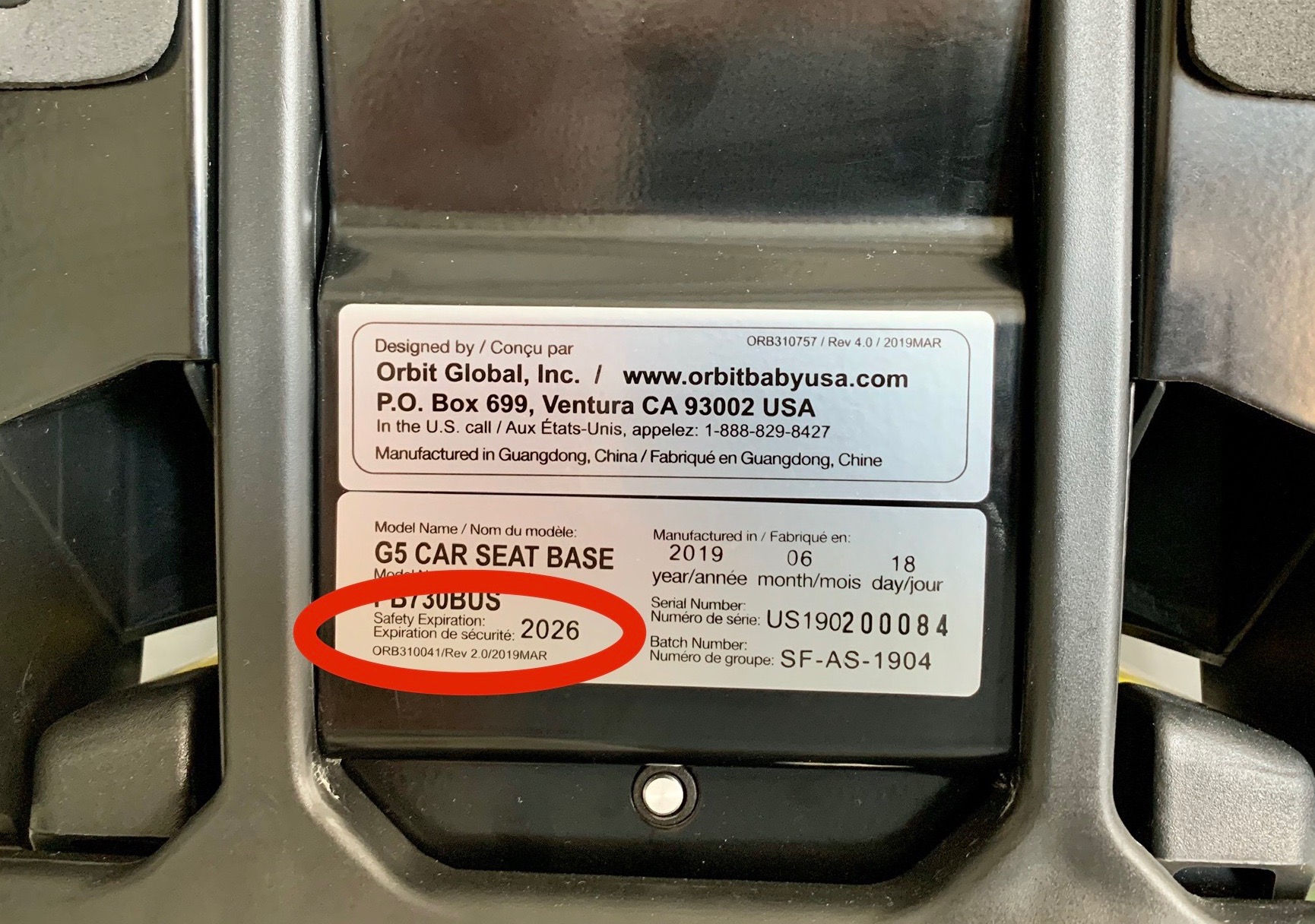
Most manufacturers stamp or sticker both the date of manufacture and the expiration date directly onto the car seat. Check the bottom, the back, or sometimes even underneath the fabric cover. Don’t just look for one; often you need both to calculate the end of its safe life. The expiration date is usually 6-10 years from the manufacture date, depending on the brand and model. When in doubt, consult the car seat manual (if you still have it!).
The Verdict: What to Do With the Expired Egg Carton
Once you’ve identified an expired car seat, resist the urge to pass it on. You wouldn’t give someone curdled milk, right? Instead, cut the straps, dismantle it if possible, and mark it clearly as "EXPIRED" or "UNSAFE" before disposing of it. This prevents someone else from unknowingly using it. Many communities also have car seat recycling programs!
It’s a bit of a bummer, and another thing on the endless "parenting to-do" list, but understanding the expiration date of a car seat is crucial. It’s not just an arbitrary number; it’s a commitment to ensuring our little ones are as safe as possible on every single journey. So, next time you're spring cleaning, give that car seat a quick peek. You might just save a little one from riding in a slightly less-than-stellar safety device.