
Is Silicone A Rubber Or Plastic
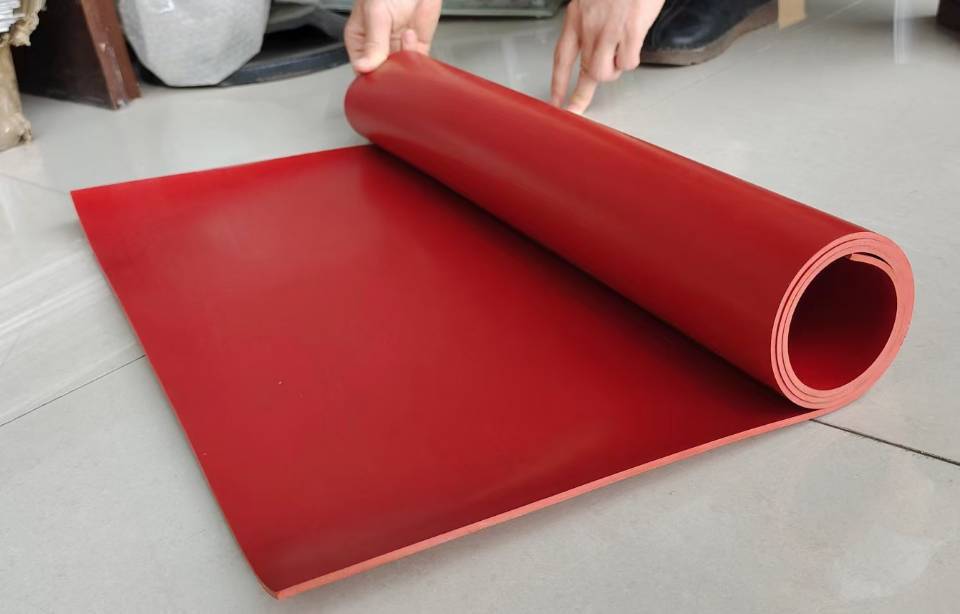
Alright, let's talk about that weird, wonderful material that's taken over our kitchens and gadget bags: silicone. You know the stuff. That super bendy spatula that scrapes every last bit of batter from the bowl without a scratch. Or that bright pink phone case that's saved your phone from countless concrete encounters. Maybe it’s the baby’s pacifier, always bouncing back from being thrown across the room.
But here’s the million-dollar question that probably pops into your head during a particularly intense baking session: is this stuff a rubber, or is it a plastic? It feels like it could be either, right? It’s got that stretchy, bouncy vibe of a rubber band, but it also has that smooth, moldable quality you associate with, say, your favourite plastic storage container. It’s like the chameleon of the material world, leaving us all scratching our heads.
The "It Feels Like Rubber!" Argument
Let’s start with the rubber side of the family. You pick up a silicone baking mat, and what’s the first thing you do? Probably give it a good tug. It stretches, it snaps back, it’s super flexible. Just like a good old-fashioned rubber band, only way less likely to sting your finger if it breaks (and good luck breaking a silicone mat!). Think about rubber gloves – they’re all about that elasticity and grip. Silicone often has that same squishy, grippy feel.
Must Read
Plus, it’s often used in places where you’d traditionally find rubber, like seals and gaskets. Ever noticed the seal around your fancy airtight food container? Odds are it’s silicone. It’s brilliant at keeping things watertight and airtight, much like its rubber cousins. And don't forget its amazing heat resistance. You can pull a silicone oven mitt out of a flaming inferno (slight exaggeration, but you get the idea) and it just shrugs it off. Rubber? Not so much. So, yeah, it’s got some seriously rubbery superpowers.
But Wait, It Looks Like Plastic Too!
Now, let’s consider the plastic perspective. Plastics are amazing because you can mold them into almost anything. Your Lego bricks, your water bottles, your stylish laptop casing – all plastic, all perfectly formed. Well, silicone is just as versatile. Those intricate silicone molds for chocolates or ice cubes? That’s where silicone really shows its plastic-like talent for holding a perfect shape, then letting go with minimal fuss.

It can be brightly coloured, opaque, translucent, even glow-in-the-dark if you really want it to. It doesn’t degrade quickly in the sun like some plastics, and it doesn't leach weird chemicals into your food like some of the older, less friendly plastics. It's often non-stick, too, which is a big win over plastic wrap any day. So, it shares a lot of plastic’s practical, everyday virtues, but often with a much friendlier attitude.
The Big Reveal: It’s a Unique Beast!
So, is silicone a rubber or a plastic? Drumroll please... neither, really! It's like that quirky distant relative at the family reunion who doesn't quite fit into either side of the family tree but is still awesome. Technically, silicone is a synthetic polymer, which is a fancy way of saying it's a big chain of repeating molecules. Most rubbers and plastics are also polymers, but here’s the kicker: their backbones are built around carbon atoms. Silicone, on the other hand, is built around a backbone of silicon and oxygen atoms.
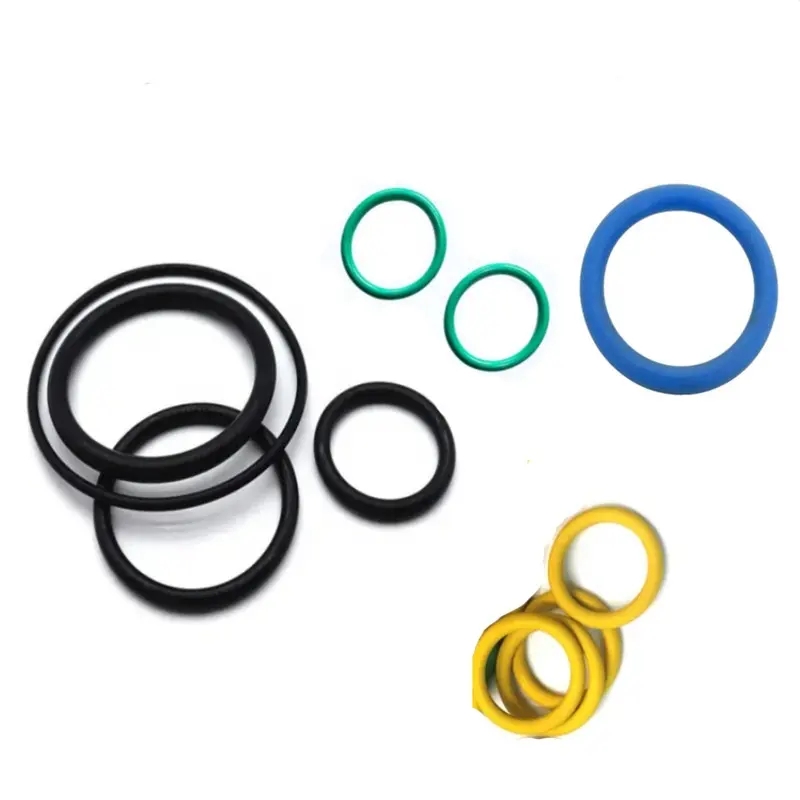
Think of it this way: if plastics and rubbers are like cousins who mostly eat bread (carbon-based), silicone is like the cousin who's discovered a delicious gluten-free alternative (silicon-oxygen based). This unique chemical structure gives silicone its own special blend of properties – the flexibility and heat resistance of some rubbers, combined with the moldability and durability of many plastics, but often better in key areas. It’s often referred to as an elastomer, a broad category that includes rubber, meaning it has elastic properties.
Why Does It Even Matter, Anyway?
Why should you care about this chemical distinction when you're just trying to flip a pancake? Well, it matters because it explains why silicone is so darn useful and why it’s popping up everywhere! That unique silicon-oxygen backbone is what makes it incredibly stable. It can handle extreme temperatures – from freezing cold to scorching hot – without melting, cracking, or turning into a gooey mess. It’s also generally non-reactive, which means it doesn't play nicely with other chemicals or encourage bacteria to set up shop.
So, next time you grab that brightly coloured, bendy, heat-proof kitchen tool, give it a little nod of appreciation. It's not just a rubber, it's not just a plastic. It's silicone, a truly extraordinary material that confidently straddles two worlds, offering the best bits of both and then some. It’s the ultimate material multitasker, making our lives just a little bit easier and a whole lot more colourful. Go on, give your silicone spatula a little high-five!

