
Is Salt A Mixture Or A Compound

Salt. We sprinkle it on fries. We rim margarita glasses with it. It's even been used as currency! But have you ever stopped to think about what salt actually is?
Is it a magical, complex concoction? Or is it something a little more… basic? Get ready, because we're diving into the salty truth: Is salt a mixture or a compound?
The Great Mixture Mystery
First, let's talk mixtures. Think of a fruit salad. You've got apples, bananas, grapes – each keeping its own identity. You can pick out the grapes if you're not a fan (though, who isn't a fan of grapes?!). That's a mixture! Things are just hanging out together, not chemically bonded.
Must Read
Could salt be like that? Imagine tiny grains of sodium hanging out with tiny grains of chlorine, just chilling on your countertop. Sounds… unlikely, right?
Enter the Compound: Salt's True Identity
Hold on to your hats, folks! Because salt, the salt we're talking about most of the time (table salt), isn't a mixture. It's a compound. Specifically, it's sodium chloride, or NaCl for those of you who like fancy chemical abbreviations.
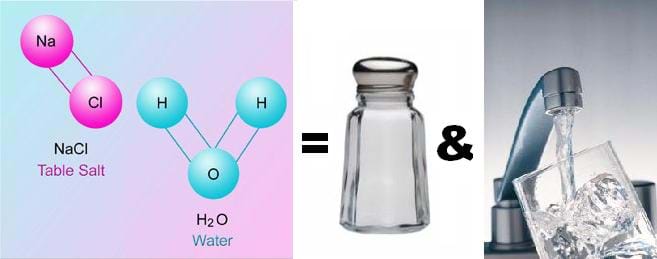
What's a compound, you ask? Well, it’s like a super-strong marriage between elements. Sodium (Na) and chlorine (Cl) don't just hang out together. They bond. They share electrons and become something totally new. It’s like they decided to become one entity.
Think about it. Sodium is a highly reactive metal. Drop it in water, and things get… explosive. Chlorine is a greenish-yellow gas that's also pretty nasty. But when they combine to form sodium chloride, BOOM! You get a stable, crystalline solid that makes your food taste amazing. Talk about a transformation!
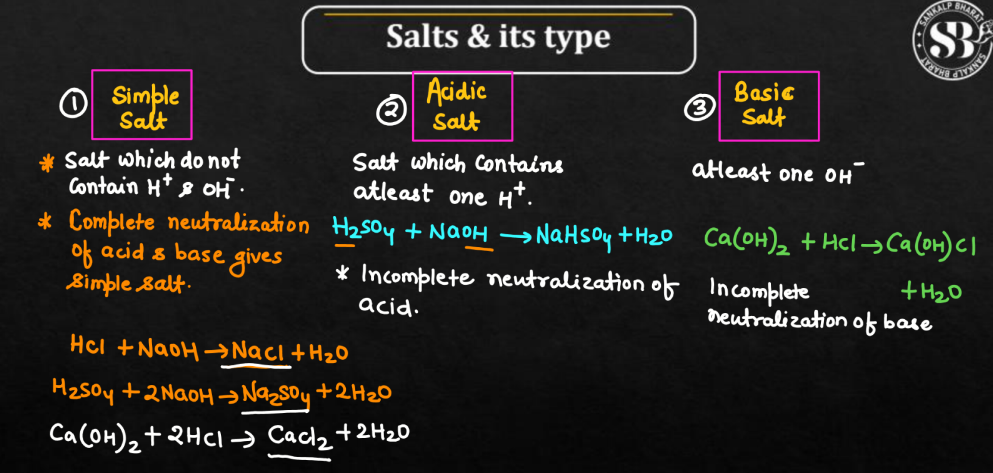
Why is This So Cool?
Okay, maybe you're thinking, "So what? It's just salt." But think about this: it demonstrates that elements can drastically change their properties when they combine. The reactive metal and the poisonous gas give way to delicious crystals.
It's like a superhero origin story! Two unlikely individuals, each with their own powers and weaknesses, merge to become something far greater than the sum of their parts. Salt is the Superman of the kitchen!
Plus, understanding the difference between mixtures and compounds is a cornerstone of chemistry. It's like learning the alphabet before you can read a book. Knowing that salt is a compound opens the door to understanding countless other chemical reactions and the way the world around us works.

Salt's Not Alone: Other Compounds to Explore
Salt isn't the only fascinating compound out there. Water (H2O), carbon dioxide (CO2), and even sugar (C12H22O11) are all compounds. Each has its own unique story to tell.
So, next time you're sprinkling salt on your popcorn, take a moment to appreciate the incredible chemistry at play. Remember that you're not just using a simple ingredient, you're experiencing the result of a powerful chemical bond. You're using a compound, a true testament to the awesome power of science!
Now, if you'll excuse me, I'm off to make some salted caramel. All this talk about salt has made me hungry.
Maybe you can start your own journey of discovery. What other household staples are compounds? And what elements make them so interesting?
Happy exploring!