
Is Natural Gas More Expensive Than Electricity

Okay, so picture this: I'm standing in my kitchen, staring at two bills. One's the dreaded electricity bill, a monstrous beast that seems to grow larger every month. The other? Natural gas. It's… smaller. Much smaller. And immediately, my brain starts doing the mental gymnastics. Am I winning? Is natural gas the budget-friendly hero I've been waiting for? (Spoiler alert: It's complicated.)
This whole bill-staring incident got me thinking. We always hear about rising energy costs, but which one – natural gas or electricity – is actually more expensive? And the answer, like most things in life, isn't a simple yes or no.
The Great Energy Debate: Cost Per Unit
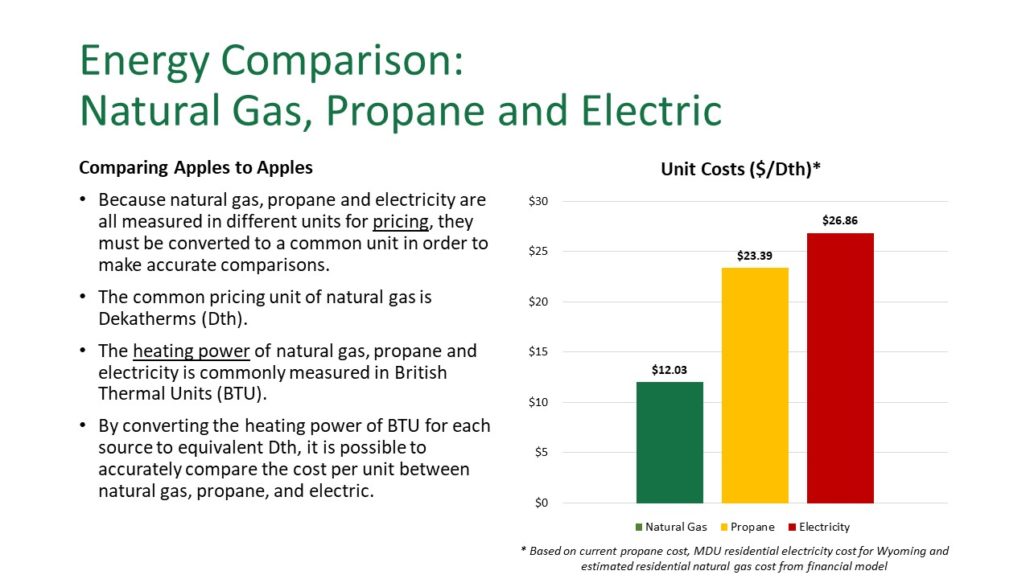
Let's break it down, shall we? The cost of electricity is measured in kilowatt-hours (kWh), while natural gas is measured in therms. Now, comparing a kWh to a therm is like comparing apples to… well, natural gas. They're different units! But, fear not, we can still make sense of it.
Must Read
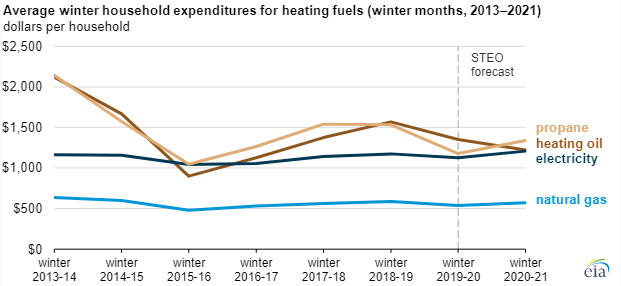
Generally, electricity tends to have a higher cost per unit than natural gas. You might see electricity costing, say, 15-25 cents per kWh, while natural gas might be around $1-2 per therm. (These are just examples, people! Your mileage – or should I say, "your kilowattage"? – may vary.)
So, on the surface, it seems like natural gas is the clear winner. But hold your horses (or should I say, hold your pipelines?).
It's Not Just About the Price Tag, Honey
Here's where things get interesting. The actual cost depends on how much you're using each energy source. Are you using natural gas for heating, cooking, and hot water? Or just for that fancy gas fireplace you only turn on when company comes over? (Guilty!)
Similarly, how are you using electricity? Just for lights and charging your phone? Or are you running a whole house air conditioner all summer long? (Because if so, I feel you.)

Your energy consumption habits play a huge role. If you're a heavy electricity user, your bill will be bigger, even if the cost per kWh is "lower" than the cost per therm of natural gas.
Efficiency Matters, My Friends
Another key factor? Efficiency. How efficient are your appliances? A brand-new, high-efficiency gas furnace will use less natural gas to heat your home than an old, clunky one. And a super-efficient LED lightbulb will sip electricity compared to an old incandescent bulb. (Remember those? Yikes.)
Think of it like this: a gas-guzzling car might have "cheaper" fuel (per gallon) than an electric car, but if you have to fill up the gas guzzler twice as often, you're still spending more money in the long run! Efficiency is the name of the game.
Location, Location, Location!
And let's not forget about geography! Energy prices vary wildly depending on where you live. Some areas have abundant and cheap natural gas, while others rely more on electricity generated from renewable sources (which can impact the price). Your state's energy policies and regulations also play a big part. So, what's true in one state might not be true in another. Ironic, right?

So, Who Wins?
Honestly? There's no easy answer. It's a complex equation with lots of variables. To figure out what's more expensive for you, you need to consider:
- The cost per unit in your area.
- Your energy consumption habits.
- The efficiency of your appliances.
The best thing you can do? Track your energy usage. Look at your past bills. See where you're using the most energy and try to find ways to reduce consumption. Maybe that means upgrading to more efficient appliances, insulating your home better, or simply being more mindful of your energy usage.
Ultimately, saving money on energy bills is about being informed and making smart choices. And who knows, maybe one day I'll finally conquer that electricity bill beast. Wish me luck!