
Is It Safe To Live Near Nuclear Power Plant

Hey everyone! Ever looked at a nuclear power plant in the distance and thought, "Whoa, that's...intense. But also kinda cool?" I know I have. They're these giant, concrete behemoths that hum with immense power. But let's be honest, that thought is often quickly followed by a little voice in the back of your head whispering, "Is it safe to live near one of those things?"
So, let's dive in and explore this, shall we? No doomsday prepping required (probably!).
The Big Question: Safety First!
Okay, the million-dollar question: is it actually safe to live near a nuclear power plant? The short answer is, generally, yes. But, like everything in life, there are nuances.
Must Read
Think of it this way: driving a car involves risk. But we mitigate that risk with seatbelts, traffic laws, and regular maintenance. Nuclear power is similar. There's inherent risk in harnessing atomic energy, but layers upon layers of safety measures are in place to minimize those risks.
These plants aren't just plopped down in the middle of nowhere. They undergo rigorous safety assessments, are built to withstand extreme events (earthquakes, floods, you name it), and are constantly monitored. We're talking serious scrutiny here. More scrutiny than you give your dating app profile, probably!
One of the major concerns people have is radiation. I get it. "Radiation" sounds scary. But here's the thing: we're constantly exposed to radiation anyway! From the sun, from the Earth, even from bananas! (Yep, bananas are slightly radioactive. Who knew?).
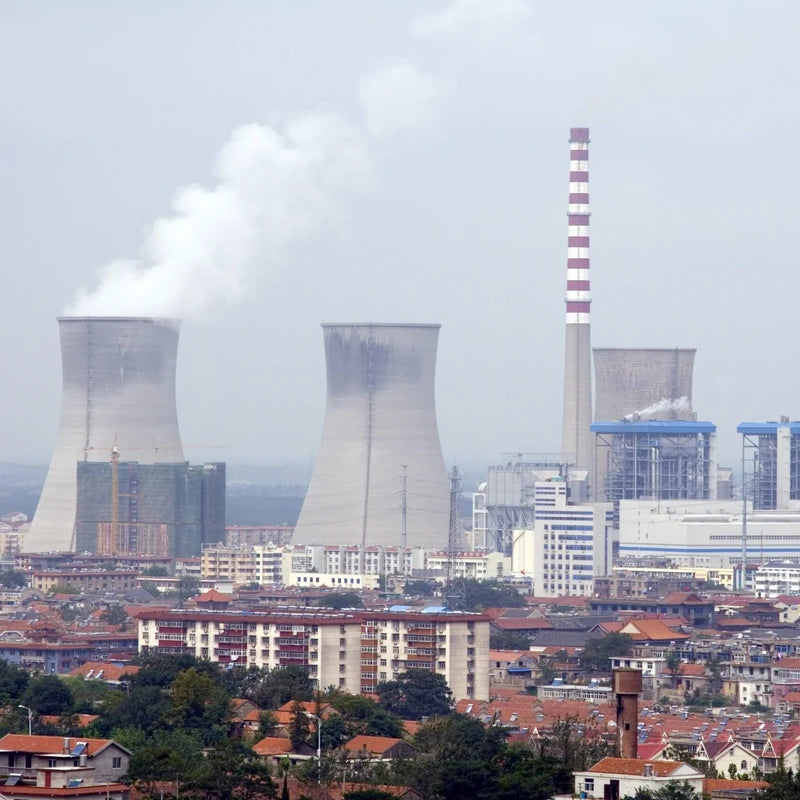
The amount of radiation you're exposed to living near a nuclear power plant is typically extremely low, often less than you'd get from a cross-country flight. Seriously! The Nuclear Regulatory Commission (NRC) has strict limits on radiation exposure, and plants are required to adhere to them. If they don't, they get shut down. End of story.
What About Accidents? Chernobyl? Fukushima?
Okay, okay, I know what you're thinking: "But what about Chernobyl? What about Fukushima?" These were horrific events, and their impact was devastating. But it's crucial to understand the context.
Chernobyl was a result of a deeply flawed reactor design, combined with human error and a lack of a proper safety culture. The reactors lacked crucial containment structures. It was a perfect storm of bad decisions and bad luck.

Fukushima was a different scenario. A massive earthquake and tsunami overwhelmed the plant's defenses. While the accident was serious, it's worth noting that the reactor design in Fukushima was significantly safer than Chernobyl. Plus, lessons were learned, and safety measures have been strengthened worldwide.
Modern nuclear power plants have multiple layers of safety features, including containment structures designed to prevent the release of radiation in the event of an accident. They also have backup systems and emergency protocols in place. It's like having a triple-locked door with a moat and a dragon guarding your valuables. Okay, maybe not the dragon, but you get the idea.
The Cool Factor: Why Nuclear Power Is Important
Beyond the safety aspects, let's talk about why nuclear power is actually pretty cool. It's a low-carbon source of energy. This means it doesn't produce greenhouse gases like coal or natural gas, which contribute to climate change.

Think of it as a superhero swooping in to save the planet from evil emissions! Nuclear power can provide a reliable and consistent source of electricity, day or night, rain or shine. Unlike solar or wind power, which are dependent on the weather, nuclear power is always there, humming along.
It's a powerful energy source. A relatively small amount of nuclear fuel can generate a massive amount of electricity. It's like having a tiny engine that can power an entire city. Pretty amazing, right?
Living Near a Plant: What's It Really Like?
So, what's it really like living near a nuclear power plant? Well, for most people, it's pretty uneventful. You might see the plant in the distance, but otherwise, it's just like living in any other community. There are often economic benefits to having a nuclear power plant nearby, such as jobs and tax revenue. Some plants even have visitor centers where you can learn more about nuclear energy!
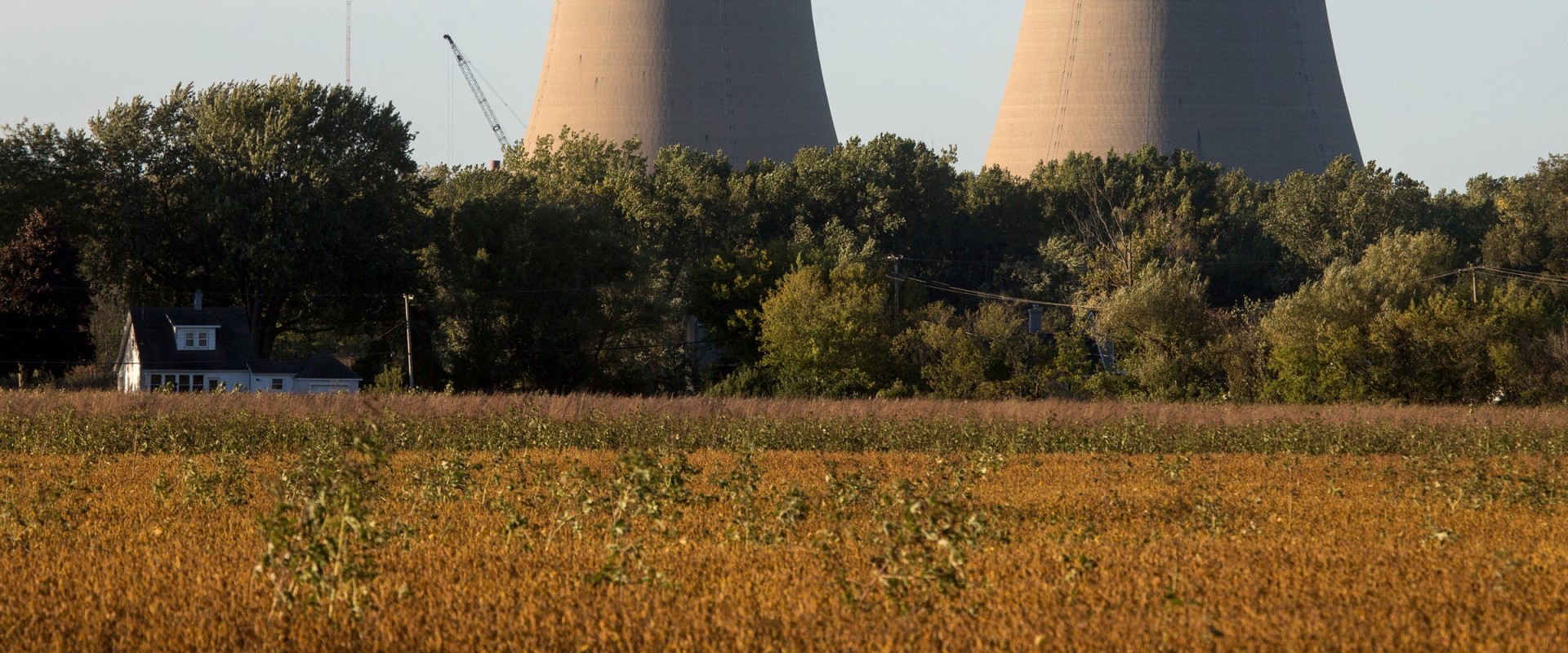
Of course, there are emergency plans in place in case of an accident. These plans typically involve things like evacuation routes and shelters. But, again, the likelihood of needing to use these plans is extremely low. It’s like having a fire extinguisher in your kitchen – you hope you never need it, but it's good to know it's there.
The Bottom Line: Informed Decisions
Ultimately, the decision of whether or not to live near a nuclear power plant is a personal one. It's important to do your research, understand the risks and benefits, and make an informed decision. But hopefully, this has given you a better understanding of the safety measures in place and the role that nuclear power can play in our energy future.
So next time you see one of those big, concrete structures, maybe you'll look at it with a little less apprehension and a little more curiosity. It's a fascinating technology, and like it or not, it's playing a significant role in shaping our world.