
Is It Ok To Leave Charger Plugged In Without Phone
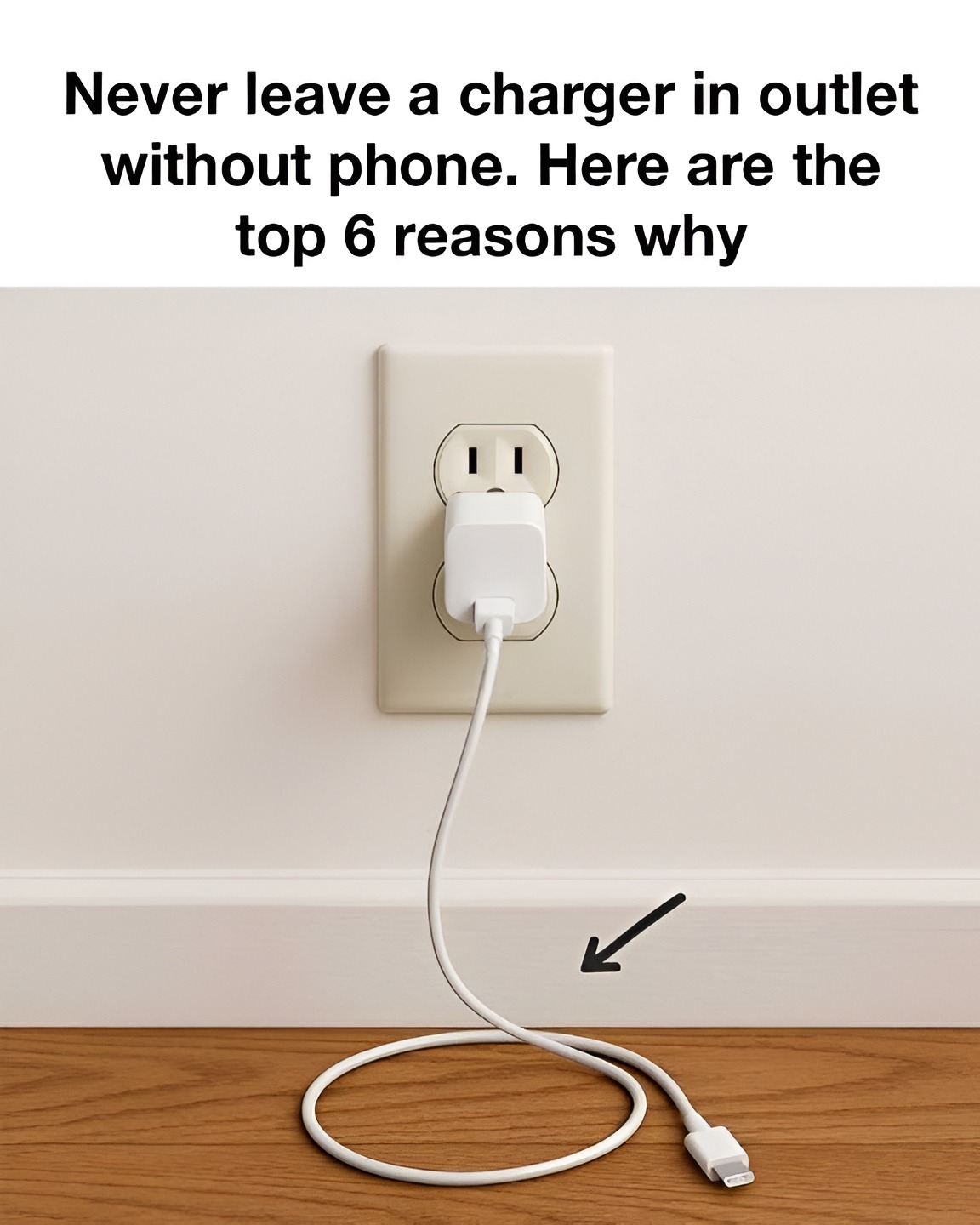
Ever wonder about that little charger patiently waiting in the wall? It's always there, a silent sentinel.
Is it okay to leave it plugged in, even without your phone attached? Let's dive into this electrifying question!
The Phantom Energy Drain: Real or Myth?
Some say it's a sneaky energy vampire, constantly sucking power. Others claim it's a myth, a tale spun to scare the frugal.
Must Read
Who's right? Let's unravel this electrifying enigma. We’ll explore whether your plugged-in charger is secretly raising your electricity bill.
Is that phantom drain a real threat to your wallet and the planet?
The Tiny Power Consumption
Modern chargers are actually quite clever. They're not like the clunky transformers of yesteryear.
When no device is connected, most enter a low-power state. This state sips energy, not gulps.
We're talking about a minuscule amount, potentially pennies a year. It is likely, the phantom drain is a ghost rather than a vampire.
Of course, this isn't a universal truth. Older, less efficient chargers might draw a bit more power.
Think of them as the relics of a bygone era, power-hungry beasts compared to their modern counterparts.
But even then, the impact is usually pretty small, like a tiny drip in a vast ocean of energy consumption.
The Safety Factor: More Than Just Energy
Leaving a charger plugged in isn't just about energy. There are other factors at play.
Electrical surges are a real concern. These sudden spikes in voltage can fry your electronics.

A plugged-in charger acts as a potential pathway for these surges, even when not connected to a device. This is especially true during thunderstorms.
Imagine your charger as a lightning rod, attracting unwanted electrical chaos.
Unplugging your charger during a storm is a simple way to protect your devices and even your home.
It's like putting on a seatbelt for your electronics, a small act that can prevent a big disaster.
The Charger Quality Conundrum
Not all chargers are created equal. Some are built with higher-quality components than others.
Cheap, generic chargers from unknown brands can be risky. They might not have the same safety features as reputable brands.
These bargain-bin chargers could overheat, potentially causing a fire hazard. Choose wisely!
Investing in a quality charger from a trusted brand is a smart move. It's like buying insurance for your devices.
Look for chargers with safety certifications, ensuring they meet industry standards. Don't gamble with your safety for a few saved dollars.
Always inspect your chargers for any signs of damage, like frayed cords or cracks. A damaged charger is a hazard waiting to happen.
Heat Generation: A Sign of Trouble?
A plugged-in charger might feel warm to the touch, even when not in use. Is this a cause for alarm?

A little warmth is normal. It's simply the charger doing its standby job.
However, excessive heat is a red flag. It could indicate a faulty charger or a potential fire hazard.
If your charger is burning hot, unplug it immediately. Don't risk it!
Think of it like a fever in your electronics. It's a sign that something isn't right.
A cool charger is a happy charger. Keep an eye on the temperature and take action if needed.
The Environmental Impact: A Bigger Picture
While the energy drain of a single charger might seem insignificant, it adds up when multiplied by millions.
All those plugged-in chargers contribute to overall energy consumption. This in turn impacts the environment.
Unplugging your charger when not in use is a small but meaningful way to reduce your carbon footprint.
Think of it as a drop in the bucket, contributing to a larger effort to conserve energy.
Every little bit helps in the fight against climate change. It's a simple act of environmental responsibility.

By unplugging, you're not just saving money, you're also helping to protect the planet.
The Convenience Factor: Weighing the Pros and Cons
Leaving your charger plugged in is undeniably convenient. It's always there, ready when you need it.
But is the convenience worth the potential risks? That's a personal decision.
Consider your lifestyle and your tolerance for risk. Are you willing to trade a little convenience for peace of mind?
For some, the convenience outweighs the concerns. For others, the potential risks are too great.
There's no right or wrong answer. It's all about finding what works best for you.
Think of it as a balancing act, weighing the pros and cons to make an informed choice.
So, Is It Okay? The Verdict
The answer is nuanced. Leaving a charger plugged in without a phone isn't inherently dangerous or wasteful.
Modern chargers are generally energy-efficient. The phantom drain is usually minimal.
However, there are still factors to consider. Electrical surges, charger quality, and environmental impact are all relevant.
Ultimately, the decision is yours. Weigh the pros and cons, and make an informed choice.
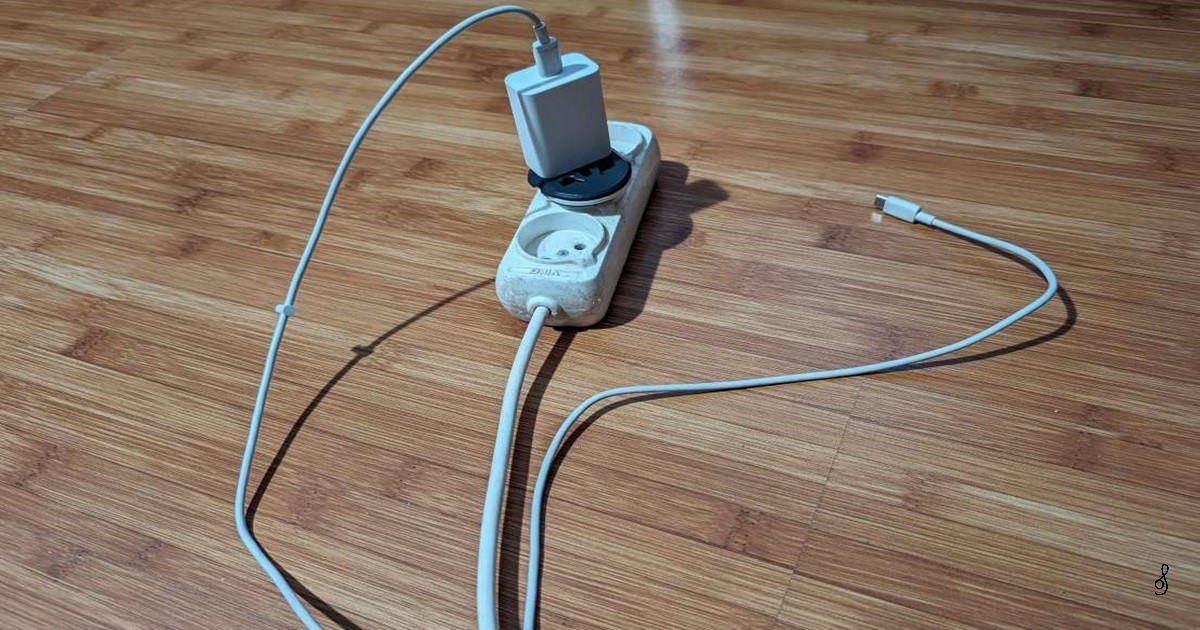
There's no need to be paranoid, but a little caution is always a good thing.
Think of it as responsible energy consumption. Be mindful of your habits and make choices that align with your values.
Maybe unplug during storms. Consider unplugging when you're going on vacation, for example.
Simple Steps to Take
Here are a few easy steps you can take to minimize risk and maximize energy efficiency:
• Use high-quality chargers from reputable brands.
• Unplug chargers during thunderstorms and when you're away for extended periods.
• Inspect chargers for damage regularly.
• Unplug chargers when not in use, especially older models.
• Use a surge protector to protect your electronics from power surges.
By following these simple tips, you can enjoy the convenience of plugged-in chargers without unnecessary risk or waste.
You're now an informed charger user! Go forth and power up responsibly.