Is It Ok To Floss After Every Meal

Let's talk about something we all (hopefully!) do, or at least think about doing: flossing. It's a small string, but it holds a surprising amount of power over our overall health. We've all heard dentists harp on about flossing, but have you ever wondered if there's such a thing as too much flossing? Specifically, is it ok to floss after every single meal? It's a question that might pop into your head after a particularly sticky toffee or a seedy raspberry tart. Let's dive in and unravel the truth!
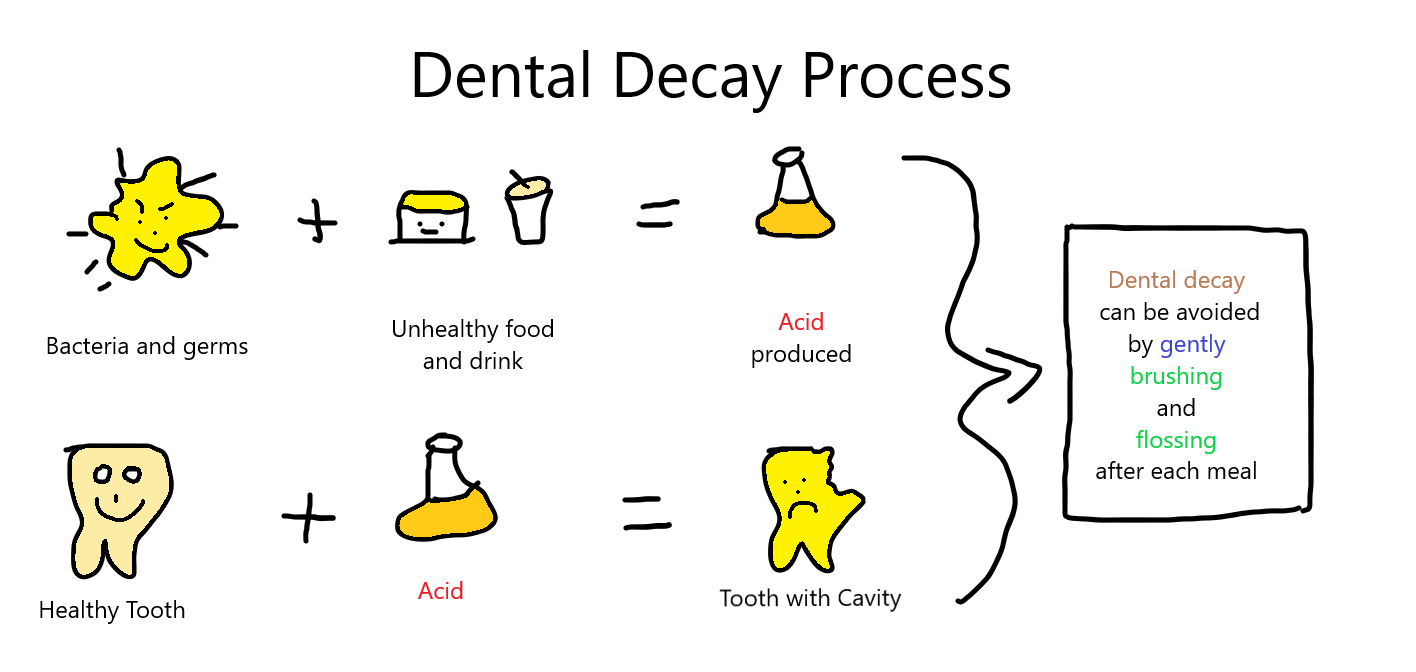
The purpose of flossing is simple: to remove plaque and food particles from between your teeth and along the gumline. Your toothbrush just can't reach those tight spaces, and that's where bacteria thrive. These bacteria create acids that attack your tooth enamel, leading to cavities and gum disease (gingivitis). The benefits of regular flossing are numerous. We're talking about a healthier mouth, fresher breath, and even a reduced risk of more serious health issues like heart disease, which studies have linked to poor oral hygiene. Flossing is like a tiny, daily cleanup crew for your mouth, preventing a whole host of problems down the road.
So, where does the 'after every meal' part fit in? Well, theoretically, flossing after every meal would remove food particles more quickly and efficiently, minimizing the time bacteria have to work their mischief. Think of it like washing dishes after dinner versus leaving them overnight. The sooner you clean, the less likely things are to get sticky and gross! In practical daily life, this might mean flossing after breakfast, lunch, and dinner. For example, a teacher might keep floss picks in their desk drawer to freshen up after eating a sandwich at lunchtime. A student might carry floss in their backpack to use after a sugary snack. Even at home, it can become part of your regular routine.
Must Read
However, there are a few things to consider before turning into a super-flosser. Firstly, over-flossing, or using the wrong technique, can actually damage your gums. Aggressive or incorrect flossing can cause irritation, bleeding, and even gum recession. Think gentle, not vigorous! Secondly, carrying floss everywhere and finding a private space to floss after every meal might be impractical for some people. Work, school, and social situations might make it difficult to maintain this level of dedication. A more realistic approach for many might be to focus on flossing effectively once a day, usually before bed, to remove the buildup that has accumulated throughout the day.
If you’re curious about incorporating more flossing into your routine, start slow. Try adding a second flossing session after lunch for a week and see how your gums feel. Experiment with different types of floss - waxed, unwaxed, floss picks – to find what works best for you. Pay attention to the pressure you're applying, ensuring you're being gentle and thorough. Always consult with your dentist or dental hygienist for personalized advice. They can assess your individual needs and provide guidance on proper flossing technique. Ultimately, the goal is to find a flossing routine that is both effective and sustainable for you. Happy flossing!
![Should You Floss After Every Meal? [Answered!] — Burlington Dental Center](https://images.squarespace-cdn.com/content/v1/630e58819e8b096c257e891a/63d7fd04-2e76-411c-8116-26db6603898d/jl_at_ct_simple_photo_of_a_person_flossing_her_teeth_cf9b45ff-aac0-4cd7-98ce-a2788de21041.jpg?format=2500w)