Is It Normal For Engine To Smoke In Cold Weather
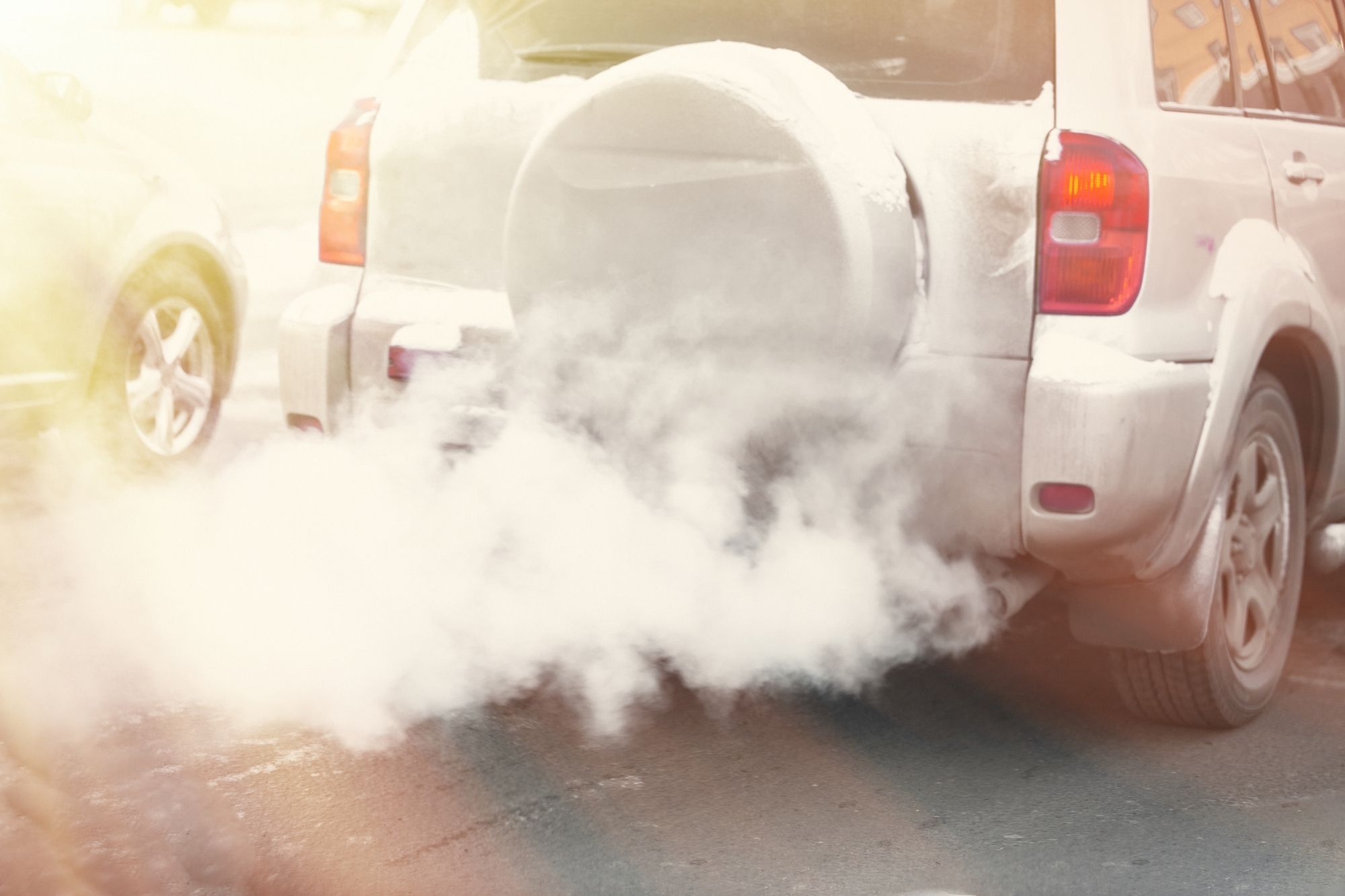
Ever fire up your car on a chilly morning and see a plume of smoke billowing out the back? For a moment, your heart probably leaps into your throat. Is your engine about to give up the ghost? Is this the beginning of a very expensive problem? Well, hold on to your hats, because the answer might surprise you! Today, we're diving into the fascinating (and sometimes alarming) world of engine smoke in cold weather. Think of it as a quick guide to ease your automotive anxieties this winter.
The purpose of this little exploration is simple: to help you understand why your car might be smoking on cold mornings and to distinguish between normal occurrences and potential problems. Knowledge is power, especially when it comes to car maintenance! Knowing what's normal can save you unnecessary trips to the mechanic and give you peace of mind. Plus, who doesn't love a little car trivia to impress their friends with?
So, is it normal for your engine to smoke in cold weather? The short answer is: sometimes, yes! The more nuanced answer requires understanding what's actually happening. That "smoke" you're seeing is most likely water vapor. Your car's exhaust system produces water as a byproduct of combustion. When the exhaust system is cold, this water vapor condenses, turning into that visible white "smoke" or steam you see. Think of it like seeing your breath on a cold day. The warmer the air, the more water it can hold. Cold air? Not so much. So, the water vapor becomes visible.
Must Read
This is especially true on really cold mornings. The colder it is, the more noticeable the effect will be. As your exhaust system heats up, it will eventually evaporate all that condensation, and the "smoke" will disappear. This usually takes just a few minutes. If the "smoke" dissipates quickly and is white, chances are you're in the clear.
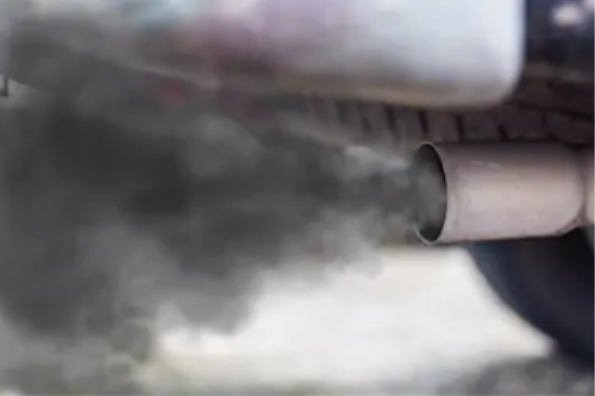
However, not all smoke is created equal. It's crucial to understand the difference between harmless water vapor and smoke that indicates a problem. Here's a quick breakdown:
- White Smoke (that lingers): If the white smoke is thick, dense, and lingers for a long time, even after the engine has warmed up, it could indicate a coolant leak. This is definitely something to get checked out by a mechanic.
- Blue Smoke: Blue smoke is a red flag! It typically means your engine is burning oil. This could be due to worn piston rings, valve seals, or other internal issues. Get this looked at ASAP.
- Black Smoke: Black smoke usually indicates that your engine is burning too much fuel. This could be caused by a faulty fuel injector, a clogged air filter, or other issues with the fuel system.
In conclusion, seeing some white "smoke" from your exhaust on a cold morning is usually nothing to worry about. It's just water vapor doing its thing. But, be vigilant! Pay attention to the color and consistency of the smoke, and how long it lasts. If you notice anything other than a brief puff of white vapor, it's best to consult a professional. Better safe than sorry when it comes to your trusty steed!