
Is It Bad To Keep A Fan On 24 7
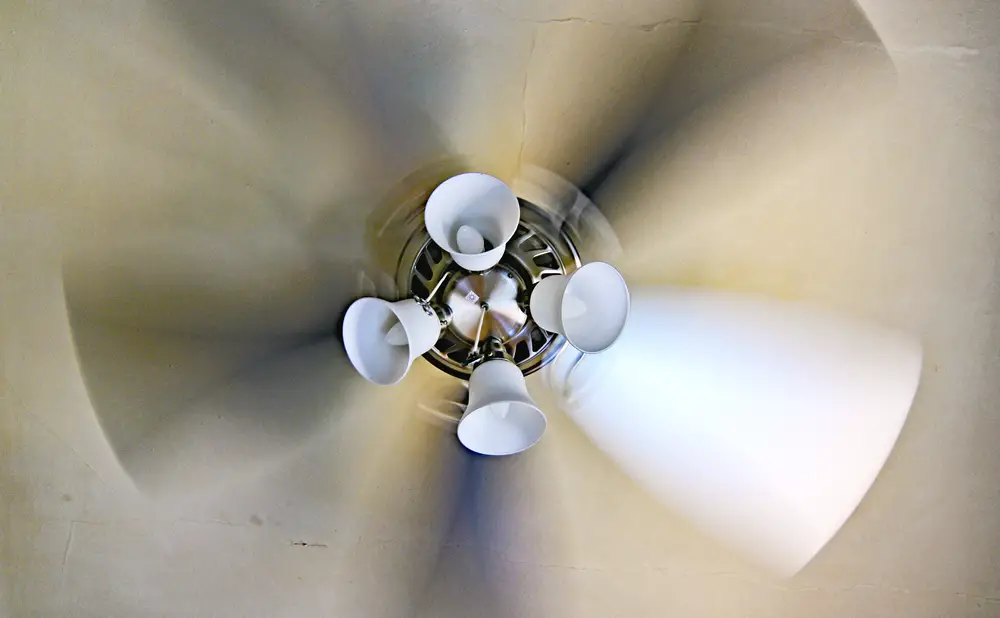
Alright, settle in, grab your beverage of choice – preferably a cold one, because we're about to talk about the unsung hero of many a summer night: the fan. Specifically, that trusty oscillating companion you might just leave humming away 24/7. You know the one. It’s either a beloved guardian against the tyranny of heat or, deep down, a source of nagging anxiety. Is it silently judging your energy bill? Is its tiny motor secretly planning a dramatic, fiery exit? Let’s pull back the curtain on this whirring mystery!
The Great Energy Bill Conspiracy: Is Your Fan a Secret Money Pit?
Picture this: it’s sweltering. You flip on the fan, feel that glorious breeze, and then a little voice in your head pipes up: "Is this thing secretly plotting to empty my wallet?" It’s a common fear, right? We’ve all been conditioned to think anything electrical left on is basically a supervillain draining our bank account.
But here’s a surprising fact that might just make you do a little happy dance: your average household fan is actually a remarkably frugal friend. We're talking pennies, folks! While an air conditioner can guzzle electricity like a thirsty dragon at a water park, a typical box fan or oscillating stand fan sips power. Think of it as a tiny, benevolent, electricity-sipping squirrel compared to the AC's monstrous, energy-devouring T-Rex.
Must Read
Most fans use between 50-100 watts. To put that in perspective, running a 100-watt fan for a whole day might cost you less than 10 to 20 cents, depending on your electricity rates. So, if your biggest concern is the bill, you can probably relax. Your fan isn't the financial saboteur you feared; it's more like that friend who always insists on paying for their own coffee. Phew!
Dust Bunnies & Air Quality: Friend or Foe?
Okay, so your fan isn't going to bankrupt you. But what about all that air it's pushing around? Is it secretly just creating a sophisticated dust transportation system straight to your lungs? Will it become a sentient dust-flinging entity?
Let’s be real: fans move air. And if there’s dust in the air, or on surfaces, the fan will absolutely circulate it. It’s not creating dust, mind you – unless it’s been ignored for so long it’s growing its own fuzzy ecosystem. The key here is cleanliness. If your fan blades are caked in a grey, fuzzy sweater, then yes, it's probably going to be launching those little dust missiles into your room.

But the solution is simple, and far less dramatic than armageddon by dust bunny. Clean your fan! A quick wipe-down or a blast with compressed air every now and then will keep it running efficiently and prevent it from becoming a furry, airborne health hazard. Consider it a regular dust bunny safari, and you, brave explorer, are armed with a damp cloth.
The Dehydration Debate: Will You Wake Up a Raisin?
This is a common one: "If I sleep with a fan on all night, will I wake up totally dehydrated, resembling a forgotten raisin on a scorching windowsill?" It's a vivid image, but thankfully, not entirely accurate. While a fan doesn't add moisture to the air (it just moves it around), the breeze it creates can accelerate the evaporation of sweat from your skin. This is precisely why it makes you feel cooler!
However, this accelerated evaporation can contribute to a feeling of dryness, especially if you're prone to dry eyes or nasal passages. It's not actively sucking moisture out of you like a tiny, aggressive vampire, but it can make your skin and mucous membranes feel a bit parched.
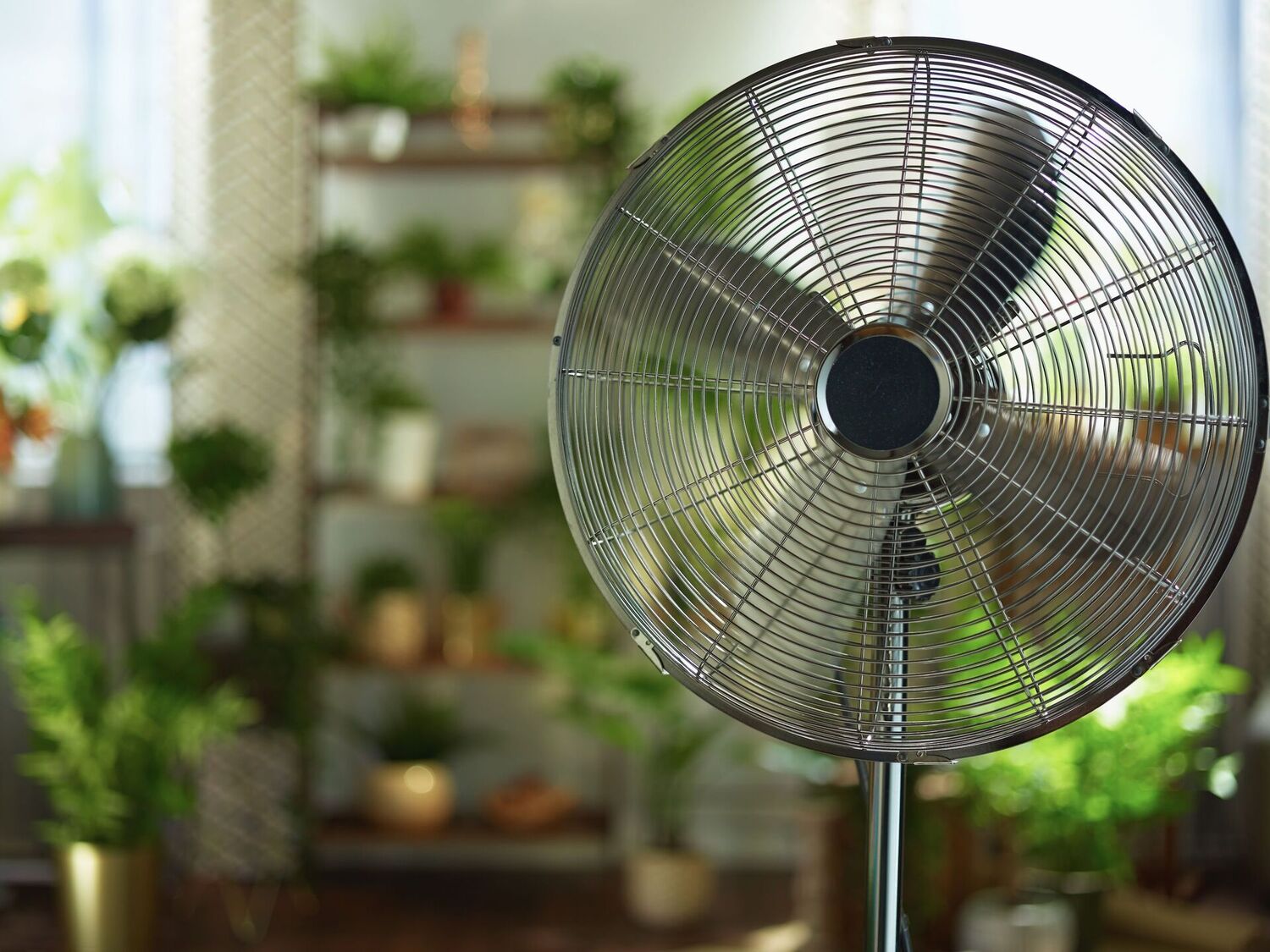
The solution? Hydrate, hydrate, hydrate! Keep a glass of water nearby. And if you're really sensitive, a small humidifier can counteract the effect, turning your bedroom into a perfectly balanced oasis. So no, you're not going to wake up as a prune, but a little extra water never hurt anyone.
The Noise Factor: Lullaby or Torture?
Ah, the gentle hum. Or the insistent whir. Or the subtle, rhythmic click that slowly, steadily drives you to the brink of madness. Fan noise is a deeply personal issue. For some, the consistent drone is the ultimate white noise – a soothing blanket that drowns out the cacophony of the outside world, lulling them into a peaceful slumber. It's their sleep sanctuary sound, an auditory equivalent of a warm hug.
For others, it's a relentless, inescapable irritant. Every little rattle, every subtle change in pitch, is amplified into a symphony of annoyance. It's like having a tiny, opinionated roommate who never stops humming their own tune.
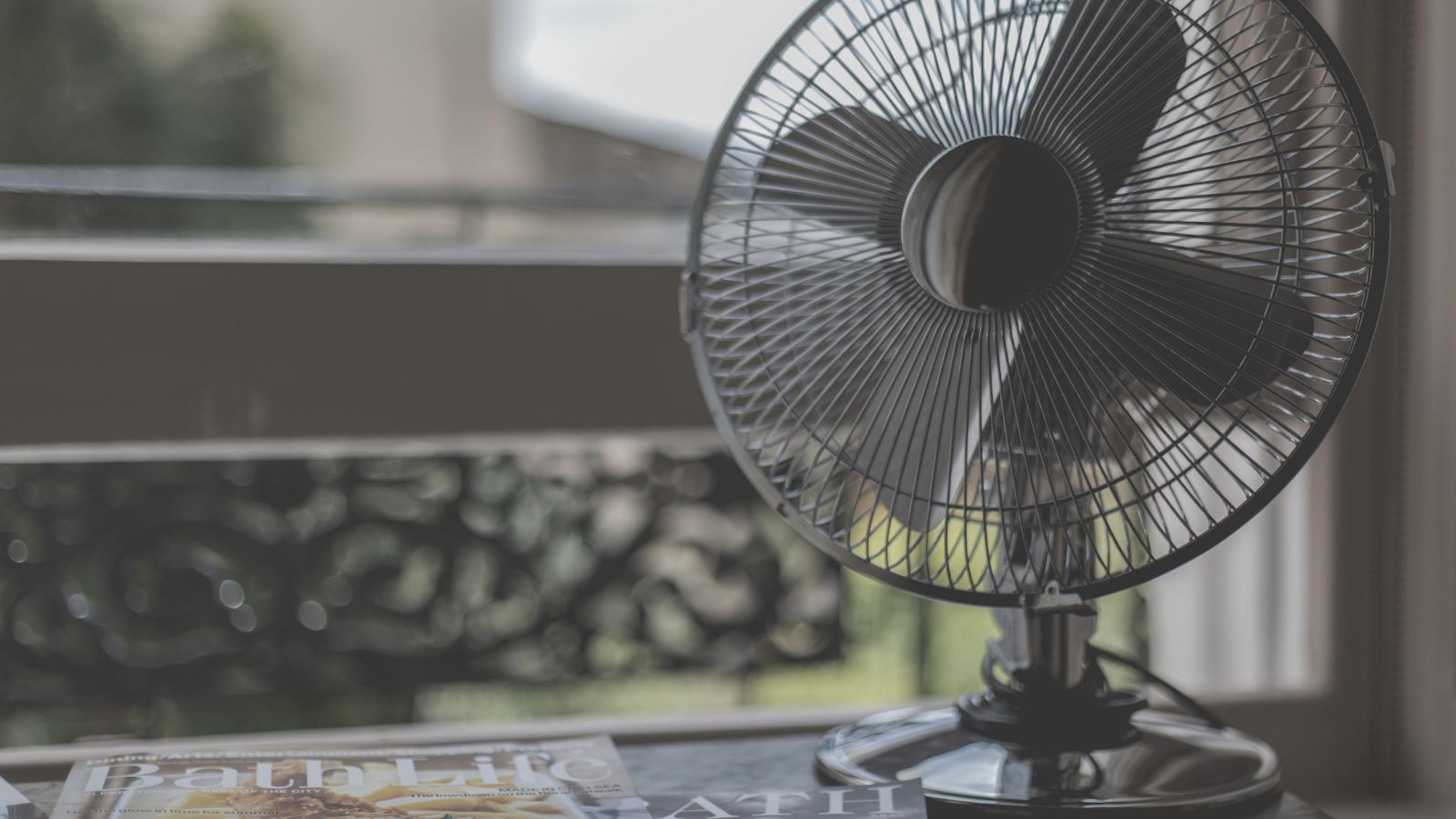
Neither side is wrong! It simply comes down to personal preference. If your fan's hum is your nighttime lullaby, fantastic! If it's pushing you closer to needing therapy, maybe invest in a quieter model or try earplugs. Listen to your inner peace (or lack thereof).
Motor Meltdown & Lifespan: Is It Going to Explode?
Let's address the most dramatic fear of all: Is its tiny motor going to explode in a glorious, fiery display, taking your curtains with it? Probably not. Modern fans, especially those from reputable brands, are built to last and designed for continuous use. Their motors are generally pretty robust.
While any electrical appliance can fail, fans aren't inherently ticking time bombs. Leaving them on 24/7 can contribute to wear and tear over a very long period, just like driving your car every day. But we're talking years, often many years, before you see significant degradation, assuming it's a decent quality fan and you've kept it reasonably clean.

Think of it this way: your fan isn't a delicate flower. It's more like a trusty, slightly overworked postal worker. It might eventually get tired and slow down, maybe start making some creaky noises, but a sudden, dramatic, Hollywood-esque explosion is highly, highly unlikely. If your fan is old and making concerning noises, or if it feels unusually hot, then yes, give it a break or consider replacing it. But for the most part, your fan is a loyal, long-serving companion.
The Verdict: Your Fan is Pretty Chill (Literally)
So, is it bad to keep a fan on 24/7? For most people, most of the time, the answer is a resounding NO! Your fan isn't plotting against your wallet, your lungs, your hydration, or your safety. It's simply doing its job: moving air to make you feel cooler and more comfortable.
The worst "offenses" are minor: a slightly higher (but still tiny) electricity bill, the need for occasional cleaning, and maybe a touch of dryness for sensitive folks. These are all easily managed. So go forth, embrace the breeze, and let your fan hum its happy tune. Your comfort is worth it!