
Is Incandescent The Same As Led
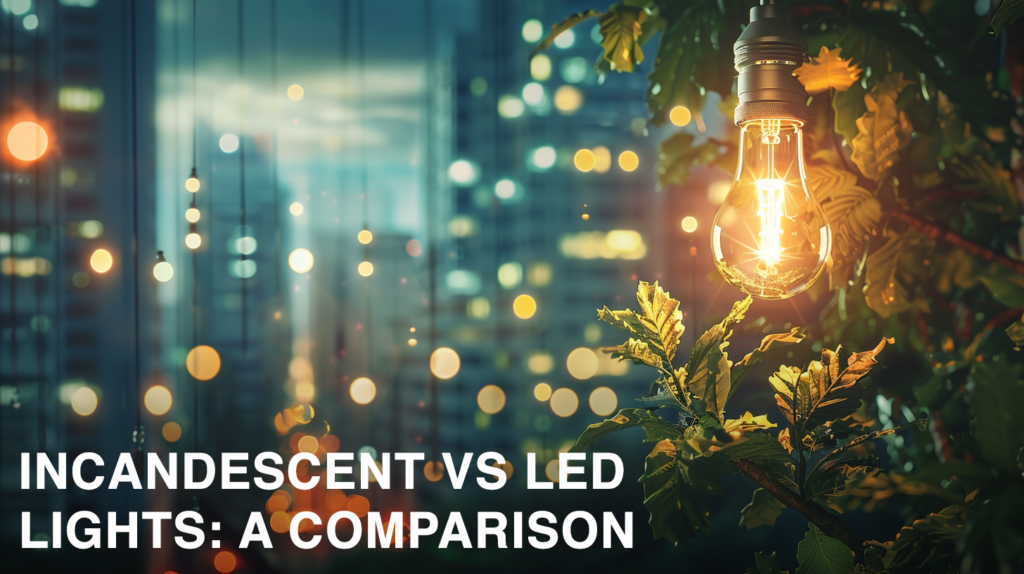
Alright, light fanatics, gather 'round! Have you ever stood in the lighting aisle, squinting at packages, wondering if an incandescent bulb is just a fancy name for an LED? Well, let me tell you, that's like asking if a flip phone is the same as the latest smartphone. Spoiler alert: absolutely not! Let’s dive into the dazzling world of light bulbs and uncover the truth with a sprinkle of fun and a dash of drama!
Meet the Incandescent: The Old-School Charm
Imagine a classic, vintage muscle car. It’s got that undeniable rumble, that iconic look, and a certain nostalgic charm that just melts your heart. That’s our good old incandescent light bulb for you. It’s been around the block, illuminating homes for over a century! It uses a tiny, delicate wire, called a filament, that gets super-duper hot to create that warm, familiar glow.
But here's the thing about our beloved classic car: it's a bit of a gas guzzler, right? It drinks fuel like there’s no tomorrow. Similarly, incandescent bulbs are incredibly thirsty for electricity. Most of the energy they consume doesn’t even turn into light! Instead, it morphs into a whole lot of wasted heat.
Must Read
Ever touched an incandescent bulb after it's been on for a while?
"Ouch!", right? It's like a tiny, glowing hot potato. That heat isn't just a burn risk; it’s a sign that your electricity bill is secretly having a feast. It's literally burning money just to keep your room lit and toasty.
And let’s talk about longevity. Our classic car might need frequent tune-ups and oil changes. An incandescent bulb, bless its heart, is a bit of a sprinter, not a marathon runner. It typically lasts about 1,000 hours, which sounds like a lot until you realize that’s roughly a year or so of casual use before it dramatically burns out.
It's a beautiful, familiar light, no doubt. But it's also a high-maintenance friend who constantly asks for more energy and needs replacing way too often. Think of it as the comfortable, slightly worn-out armchair you love, but maybe it’s time for an upgrade. The era of the energy-hungry filament is slowly, but surely, dimming.

Enter the LED: The Modern Marvel!
Now, buckle up, because we're about to introduce the sleek, electric sports car of the lighting world: the LED! This isn't just an upgrade; it’s a complete revolution in illumination. LED stands for Light Emitting Diode, which sounds super techy, and it is!
Unlike the incandescent's hot filament, LEDs create light in a totally different, super-efficient way. They essentially pass electricity through a semiconductor, which then emits light. No heat-producing filament drama here! It's like magic, but with science!
The LED's Superpowers: Prepare to be Amazed!
First superpower: Energy Efficiency. While our incandescent friend guzzles energy, the LED sips it like a fancy connoisseur enjoying a fine beverage. They use up to 90% less electricity than traditional bulbs to produce the same amount of light. That means your wallet gets a much-needed break from those power bills!
Second superpower: Cool as a Cucumber. Remember that hot potato incandescent? LEDs are the cool kids on the block. They barely produce any heat. You can touch an LED bulb that’s been on for hours, and it'll just be slightly warm, not blistering hot.
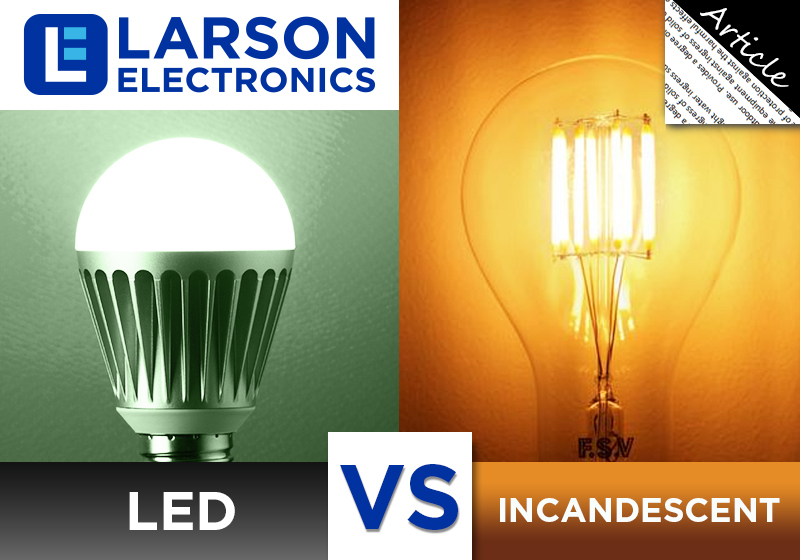
Third superpower: Marathon Runner Durability. If the incandescent is a sprinter, the LED is an ultra-marathon champion. These babies can last for 25,000 hours, 50,000 hours, or even more! We're talking decades of light, not just months or a year.
Imagine buying a light bulb now and not having to think about replacing it until your hair turns silver! That’s like buying a phone that lasts for 20 years.
"Mind. Blown.". This incredible lifespan is not just convenient; it's a huge environmental win, too.
Fourth superpower: Tough as Nails. Incandescent bulbs are delicate; a tiny bump, and that fragile filament can shatter, leaving you in the dark. LEDs? They're often made with epoxy lenses, not glass, making them much more resistant to bumps and drops. They're like the superhero action figure of the lighting world, ready for anything!

Fifth superpower: The Chameleon of Light. Want warm, cozy light? An LED can do that. Need crisp, bright light for your kitchen? An LED's got you covered. Feeling adventurous and want to change your room's color to purple or blue with a tap on your phone? Oh, yes, smart LEDs can absolutely do that too!
They come in a spectrum of colors, brightness levels, and even dimming capabilities that put the old bulbs to shame. It's like having a personal lighting designer on call, ready to set the perfect mood for any occasion. The versatility is simply astounding.
The Grand Reveal: Are They the Same?
So, after all this dazzling discussion, the million-dollar question remains: Is incandescent the same as LED? The answer, my bright-eyed friends, is a resounding and emphatic
"NO WAY, JOSÉ!"They are as different as night and day, literally!
Think of it this way: comparing an incandescent to an LED is like comparing a typewriter to a laptop. Both help you write, sure, but one is a clunky, slow, single-purpose machine, and the other is a sleek, lightning-fast, multi-functional powerhouse. Or, imagine comparing a rotary phone to a smartphone – both make calls, but one changed the world.

It's not just a different type of bulb; it’s a whole new era of lighting technology. One is an old, reliable workhorse that's slowly retiring, and the other is a futuristic marvel that's just getting started. The differences in efficiency, lifespan, heat production, and overall performance are astronomical.
Why Embrace the LED Revolution?
Switching to LEDs isn't just about saving a few bucks (though you totally will!). It's about embracing a smarter, more sustainable way to light up your life. Less energy waste means a happier planet, and less frequent bulb changes mean a happier you!
Imagine never having to awkwardly climb on a wobbly chair to change a ceiling bulb for years and years. Imagine seeing your energy bill shrink, leaving more money for fun stuff like ice cream or that new gadget you’ve been eyeing. The benefits really do stack up, shining brighter than any filament could ever hope to!
So, the next time you're contemplating your lighting choices, remember the tale of the classic gas-guzzler versus the sleek electric vehicle. Choose the future. Choose efficiency. Choose the light that will truly make you feel good and entertained for years to come. Go forth and light up your world with the brilliance of LEDs!