
Is Hydroelectric Energy Renewable Or Nonrenewable

Ever stood under a powerful waterfall, feeling the mist on your face and the earth rumble beneath your feet? It's a pretty awesome experience, right? Now, imagine harnessing that raw power. That's essentially what hydroelectric energy is all about! But here's the million-dollar question: is it the renewable energy golden child we all hope it is, or something a little more… complicated?
Let’s dive in, but gently – no need to get swept away like a rubber ducky in a flash flood.
The Short & Sweet: Renewable (Mostly)
Okay, drumroll please… the answer is: hydroelectric energy is generally considered renewable! Why? Because it relies on the water cycle, that never-ending process of evaporation, condensation, and precipitation (a fancy word for rain and snow). Think of it as nature's own self-refilling water bottle. As long as it keeps raining (and snowing, hail-ing… you get the picture!), we'll have water to generate electricity.
Must Read
Think of it like this: hydroelectric power is like that friend who always offers to do the dishes after dinner. They're using something that’s naturally replenished – your willingness to eat – to power their dishwashing skills. As long as you keep eating, they keep washing. Same with the water cycle!
But... There's Always a But, Isn't There?
Now, before we start doing the renewable energy happy dance, let's pump the brakes for a sec. Saying hydroelectric power is completely and unconditionally renewable is like saying your aunt Mildred’s fruitcake is completely delicious. It’s mostly true, but there are some… caveats.

Building massive dams can have some serious impacts on the environment. We’re talking about altering river flows, disrupting fish migration patterns (poor salmon trying to go upstream!), and even changing the landscape. Imagine suddenly having a giant lake where your favorite hiking trail used to be. Not ideal, right?
These impacts are often long-lasting, and they can affect the local ecosystem in ways we don't always fully understand. It's kind of like when you try to rearrange your furniture and end up with a weird draft and a permanently crooked rug. The intentions were good, but the execution... well...
Is It Sustainable? The Million-Dollar (or Billion-Dollar) Question
So, if hydroelectric power has these downsides, does that mean it's not sustainable? Not necessarily. Many modern hydroelectric projects are designed with sustainability in mind. Think fish ladders to help our finned friends navigate dams, carefully managed water releases to minimize environmental impact, and ongoing monitoring to track changes in the ecosystem.
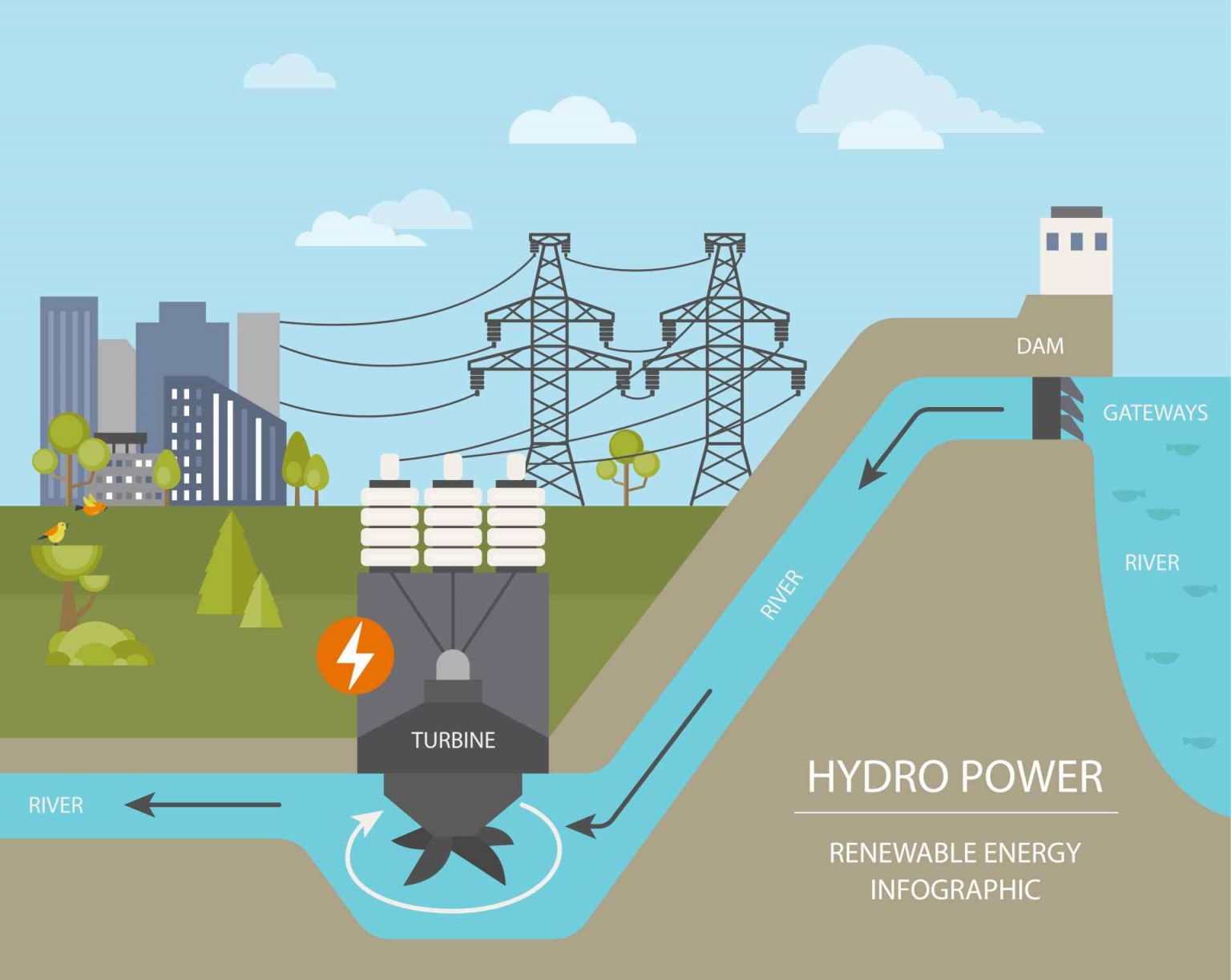
It’s about finding a balance. A bit like trying to have your cake and eat it too, but with careful planning and a lot of responsibility.
Here's the key takeaway: Hydroelectric energy can be a valuable part of our renewable energy mix, but it’s not a silver bullet. We need to consider the environmental impacts, invest in sustainable practices, and constantly strive to improve how we harness the power of water.

What’s the Alternative?
We can't pretend there is just one. If we suddenly turn away from hydroelectric energy, we should consider other options like solar, wind, geothermal, and other renewable methods. We also need to think about energy efficiency and how we can reduce the demand for energy in the first place.
Think about turning the lights off when you leave a room. It’s not as glamorous as building a giant dam, but it is a small step toward a more sustainable future.
So, next time you see a dam, take a moment to appreciate the power of water and the complex challenges of generating clean energy. And maybe, just maybe, think twice before you leave that light on.
