
Is Hydroelectric A Renewable Or Nonrenewable Resource

So, you're wondering about hydroelectric power? Is it a friend to the Earth, or a foe in disguise? Let's dive in!
The big question: Renewable or nonrenewable? It's like trying to decide if pizza is healthy. (Spoiler alert: depends on the pizza!).
What's the Deal with Renewable Resources?
Renewable resources are basically the rock stars of the energy world. They replenish themselves naturally. Think sunshine, wind, and… you guessed it, water!
Must Read
These resources aren't going anywhere anytime soon (unless the sun explodes, but let’s not get ahead of ourselves). We can use them again and again without running out, like a never-ending supply of your favorite coffee. (Okay, maybe slightly different.)
The core idea is sustainability. Use it, don't lose it, reuse it! We're talking about resources that play nicely with the planet. It's like having a super-powered recycling system.
And Nonrenewable Resources?
Nonrenewable resources? They're like that limited-edition action figure you really want, but once it's gone, it's gone. Forever.
Think fossil fuels: coal, oil, and natural gas. They took millions of years to form, and once we burn 'em, they're not coming back in our lifetime. Sorry, future generations!

Burning them also releases greenhouse gases. Which, let's be honest, isn't ideal for the planet's overall coolness factor. It's like accidentally setting off a smoke bomb in your living room.
So, Hydroelectric: Renewable or Not? The Plot Thickens!
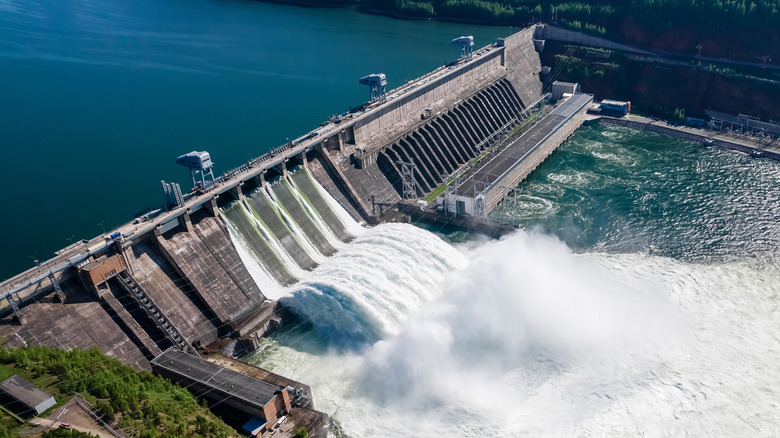
Okay, here's where it gets a little juicy. Hydroelectric power uses the force of moving water to spin turbines, generating electricity. Water keeps flowing (mostly!), so it sounds renewable, right?
Generally, the answer is yes! Rain fills rivers and reservoirs. Dams control the flow. It's a water cycle-powered energy party!
But, there's a "but" the size of a hippopotamus. And that hippopotamus is wearing a tiny hat made of environmental impact.

The Hippopotamus in the Room: Environmental Impacts
Building massive dams can seriously mess with river ecosystems. Think about it: you're basically building a giant wall in a river's living room!
It can disrupt fish migration. Imagine trying to get home after a long day, and suddenly there's a giant wall in your way. Not fun for salmon, right?
Dams can also change water temperature, sediment flow, and even local weather patterns. Talk about a ripple effect! (Pun intended, naturally.)
Sometimes, land gets flooded to create reservoirs. That means plants, animals, and even entire communities might have to relocate.
The Verdict: It's Complicated!
So, is hydroelectric power renewable? Yes, in principle. The water cycle keeps chugging along.
But is it perfectly renewable? Nope. The environmental impacts are real. It's like saying chocolate cake is healthy because it contains milk. It ignores the sugar, fat, and general cake-ness of it all.
Some smaller-scale hydro projects, called run-of-river systems, have less environmental impact. They don't store vast amounts of water, so they’re friendlier to the ecosystem. They're like the polite houseguest of the hydroelectric world.
The Future of Hydro: What's Next?
Technology is improving all the time! We're finding better ways to build and operate dams. Less impact, more power, happy planet (hopefully!).

Think of fish ladders, better reservoir management, and innovative turbine designs. We're trying to make hydroelectric power a true friend to both energy needs and the environment.
Ultimately, the "renewability" of hydroelectric power depends on how we manage it. Responsible planning and thoughtful design are key. It's about finding that sweet spot where energy needs and ecological health coexist.
So next time someone asks you about hydroelectric power, you can confidently say, "It's complicated, but mostly renewable! And kinda cool, when you think about it." You'll be the life of the party!
Now, who's up for pizza?