
Is Herpes And Hepatitis The Same Thing

Ever heard someone say, "Herpes... Hepatitis... aren't those the same thing?" It's a common mix-up, right? They both start with "H," they both sound a little scary, but trust me, they're about as similar as a house cat and a mountain lion – both felines, but with wildly different lifestyles. So, let's untangle this, shall we?
First things first: No, herpes and hepatitis are absolutely not the same thing. Think of them as distant cousins in the vast world of viruses. They might share a zip code (being viruses and all), but they lead totally separate lives.
What's the Deal with Herpes?
Okay, so what is herpes? It's caused by the herpes simplex virus (HSV). There are two main types: HSV-1, which is often associated with oral herpes (cold sores or fever blisters), and HSV-2, which is typically linked to genital herpes. But get this: HSV-1 can also cause genital herpes, and HSV-2 can sometimes cause oral herpes! Confusing, I know. But the key takeaway is that herpes primarily affects the skin and mucous membranes.
Must Read
Imagine herpes like a sneaky houseguest. Once it's in your system, it tends to hang around, often lying dormant. Sometimes it throws a party (an outbreak), causing blisters and sores. Then it quiets down again. Is there a cure? Sadly, not yet. But there are medications that can manage outbreaks and reduce the risk of transmission. Think of it like keeping that houseguest under control – you can't kick them out, but you can definitely set some ground rules.
Hepatitis: Liver Lockdown
Now, let's switch gears and talk hepatitis. The word "hepatitis" literally means inflammation of the liver. Think of your liver as the body's main filtration plant. It cleans your blood, processes nutrients, and does a ton of other important stuff. When it gets inflamed, it can't do its job properly. Not good!
:max_bytes(150000):strip_icc()/herpes-symptoms-5b58d87a46e0fb00254b716e.png)
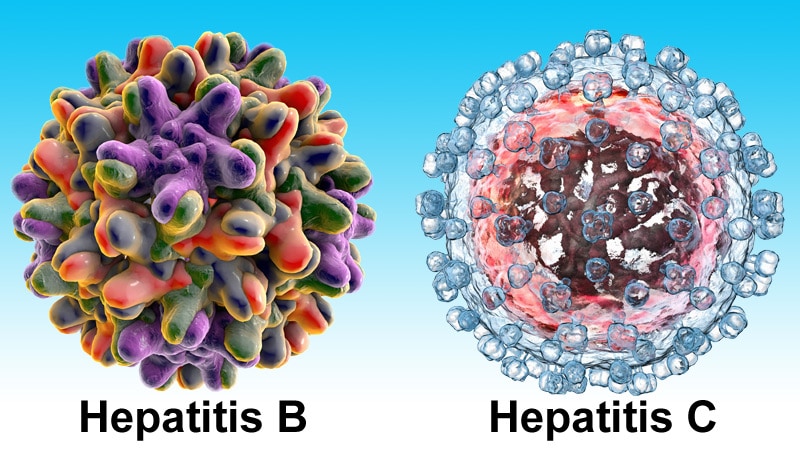
Unlike herpes, hepatitis isn't caused by just one virus. There are several types: hepatitis A, B, C, D, and E, each caused by a different virus. These viruses are spread in different ways: hepatitis A is often spread through contaminated food or water, hepatitis B and C are typically transmitted through infected blood or bodily fluids (like during sex or sharing needles), and so on. It's like a family of different agents each trying to wreak havoc on your liver.
Some types of hepatitis are acute, meaning they're short-term and your body can often fight them off on its own. Others, like hepatitis B and C, can become chronic, leading to long-term liver damage, cirrhosis (scarring of the liver), and even liver cancer. Hepatitis is more like a hostile takeover of an essential business than a pesky houseguest.
The Key Differences: A Quick Recap
Let's break down the main differences in a super easy-to-remember format:
- Herpes: Primarily affects skin and mucous membranes, caused by HSV-1 or HSV-2, tends to be recurrent, no cure but manageable. Think cold sores and genital sores.
- Hepatitis: Affects the liver, caused by various hepatitis viruses (A, B, C, D, E), can be acute or chronic, some types have vaccines and/or cures. Think liver inflammation and damage.
See? Totally different ballgames!
:max_bytes(150000):strip_icc()/VWH-ZoeHansen-ShinglesVSHerpes-4000x2700-67ed28414bf248f8be59b4b5e7fba262.png)
Why This Matters (and Why It’s Kind of Cool)
Understanding the difference between herpes and hepatitis isn't just about sounding smart at your next trivia night (although, that's a bonus!). It's about empowering yourself with accurate information. Knowing how these viruses are transmitted allows you to take steps to protect yourself and others. Practice safe sex, get vaccinated against hepatitis A and B, and be mindful of potential routes of transmission.
It's also fascinating to see how different viruses operate. Herpes uses a "hide-and-seek" strategy, while hepatitis viruses launch a full-scale assault on the liver. Studying these different strategies helps scientists develop new treatments and preventions. So, while neither herpes nor hepatitis are exactly fun topics, understanding them is pretty darn cool. Think of it as becoming a virus detective – unraveling the mysteries of the microscopic world!
So, the next time someone asks if herpes and hepatitis are the same thing, you can confidently set them straight. You're now armed with the knowledge to explain the differences and maybe even impress them with your newfound virus expertise. Knowledge is power, and in this case, it's also a pretty interesting conversation starter!
