Is Green Tea Good For Nerve Damage
Hey there, tea lovers! Ever sipped on a warm cup of green tea and felt a sense of calm wash over you? We all know green tea is touted for its amazing antioxidant power, but have you ever wondered if it could potentially lend a helping hand when it comes to nerve damage? Let's dive into the fascinating world of green tea and explore its possible connection to nerve health.
What exactly is nerve damage, anyway? Think of your nervous system like a super intricate electrical wiring system in your house. Nerves are the wires, carrying signals all over your body. When these "wires" get damaged – maybe from an injury, a disease like diabetes, or even certain medications – it can lead to a whole host of problems. We're talking numbness, tingling, pain, weakness... the list goes on. Not fun, right?
So, where does green tea fit into all of this?
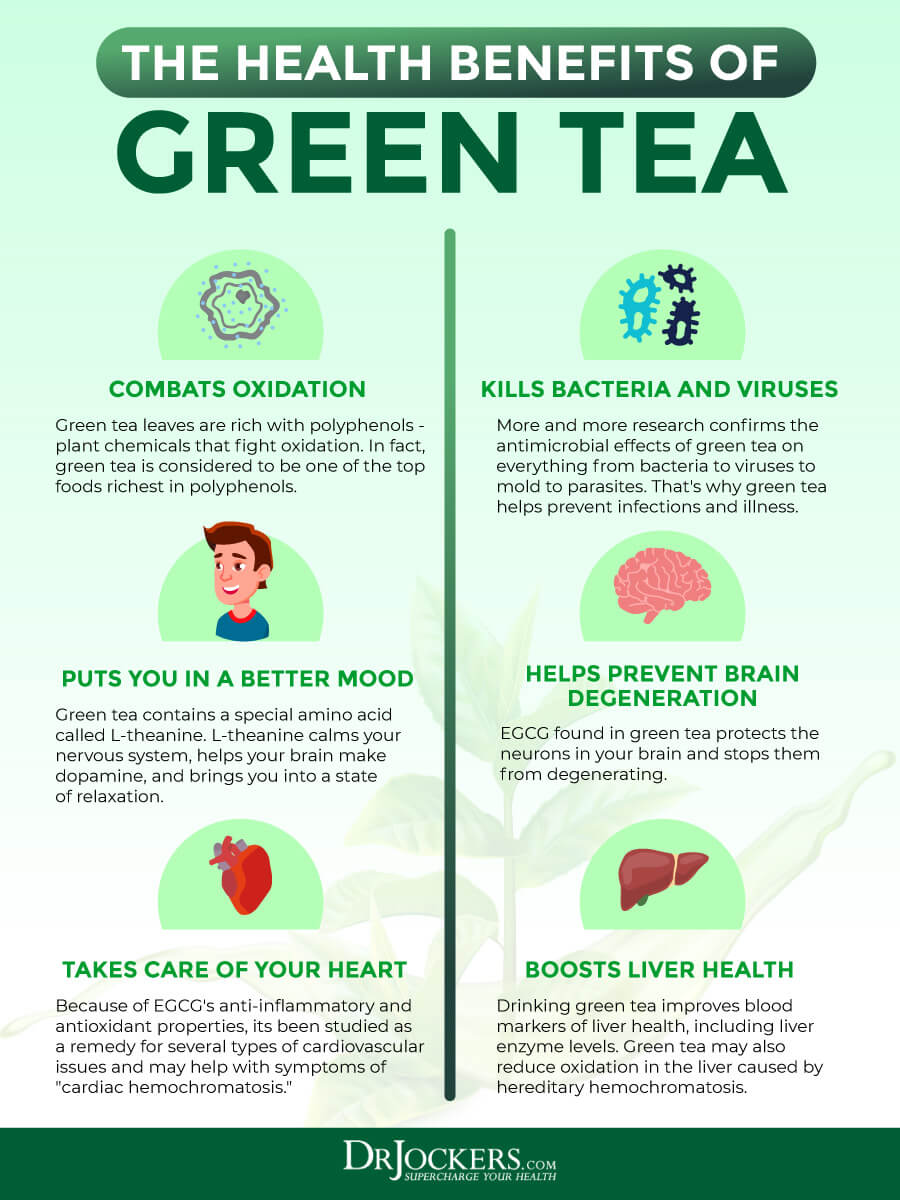
Green tea is brimming with antioxidants, particularly a superstar called epigallocatechin-3-gallate, or EGCG for short. Sounds like something out of a sci-fi movie, doesn't it? But EGCG is a real powerhouse. Antioxidants are basically like little bodyguards that protect your cells from damage caused by harmful molecules called free radicals. Free radicals are like tiny wrecking balls, bouncing around and damaging everything in their path. They can contribute to inflammation and even nerve damage.
Must Read
Think of it like this: your cells are delicate sandcastles on the beach, and free radicals are the incoming tide. Antioxidants are like the little walls you build to protect those sandcastles! Clever, huh?
Now, here's the interesting part. Some studies, mostly done in labs and with animals, suggest that the antioxidants in green tea, particularly EGCG, might have neuroprotective properties. In other words, they might help protect nerve cells from damage and even promote their repair. Cool, right?

The Scientific Scoop (Simplified!)
Researchers believe that EGCG could work in a few different ways to help with nerve damage:
- Fighting inflammation: EGCG has anti-inflammatory properties. Since inflammation can worsen nerve damage, calming down that inflammation could potentially help.
- Protecting against oxidative stress: Free radicals cause oxidative stress, which can damage cells, including nerve cells. EGCG, as an antioxidant, helps neutralize those pesky free radicals.
- Promoting nerve growth: Some studies suggest EGCG might even encourage the growth and regeneration of nerve cells. Imagine it as fertilizer for your nervous system!
But hold on a second! Before you start brewing gallons of green tea, it's super important to remember that more research is needed, especially in humans. Most of the studies so far have been done in petri dishes or on animals. While the results are promising, we can't definitively say that green tea will cure or even significantly improve nerve damage in people. Think of it like this: animal studies are the trailer for a movie. It looks exciting, but you need to see the whole movie (human trials) to really know what's going on.

It's also important to talk to your doctor about any nerve damage or concerns you have. They can give you the best advice and treatment options for your specific situation. Green tea shouldn't be considered a replacement for medical care. Consider it a potentially helpful addition to a healthy lifestyle.
So, is it worth a try?
Well, green tea is generally considered safe for most people when consumed in moderation. It's packed with antioxidants, which are beneficial for overall health anyway. So, if you enjoy green tea, go ahead and sip away! Just don't expect it to be a miracle cure for nerve damage. Think of it as a potential sidekick in your quest for better health, not a lone superhero.

And remember, every body is different. What works for one person might not work for another. So, listen to your body, stay informed, and always consult with your doctor about any health concerns.
Bottom line? Green tea is a fascinating beverage with potential health benefits, including possible neuroprotective effects. While the research is still ongoing, it's definitely a topic worth keeping an eye on. Plus, it tastes delicious! What’s not to love?
Cheers to your health! And happy sipping!